LIVE UPDATES | VIA TWITTER
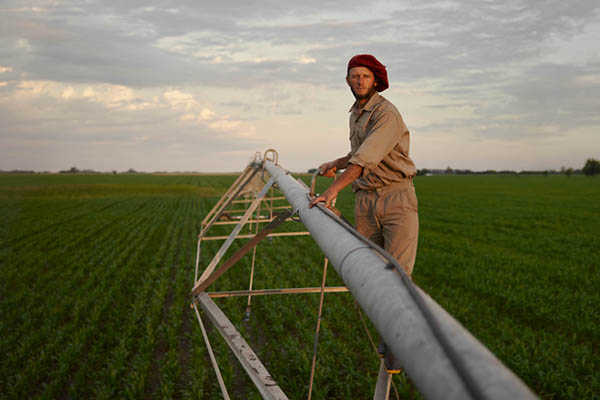
Thanks to @fishing4eskimo for killing it at Warner Bros today

This journal focusses only on the behind the scenes element of the trip. I decided it was best not to include the actual images I was working for, and to keep them seperate with their stories on my website in the gallery. Check out-
and
http://www.joeyL.com > Personal > Holy Men
F o r e w o r d
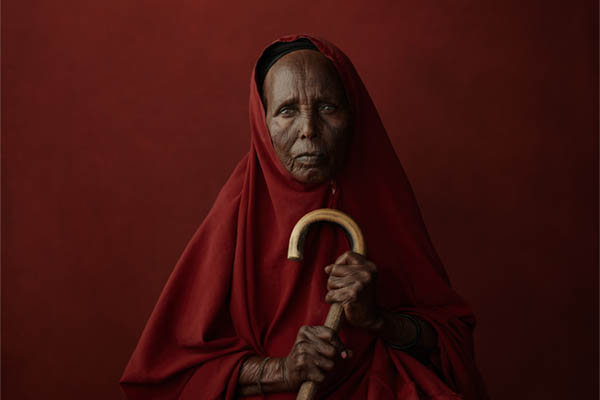
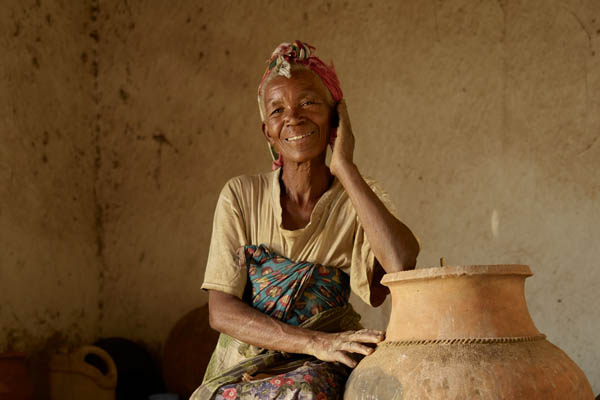
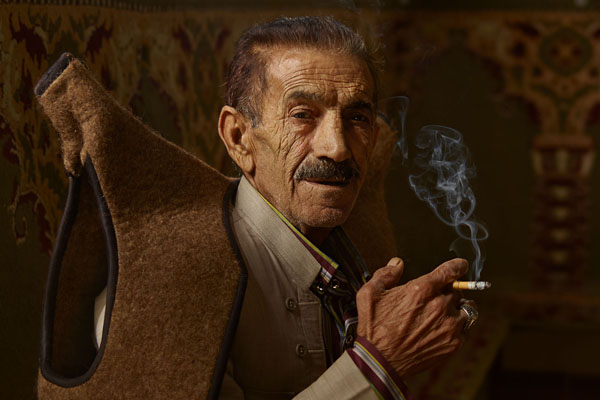
I define the way I photograph people as a “dignified portrait,” and certainly used this style in Ethiopia. I feel in order to present something about someone in a photograph, it must be done very carefully and with great respect. I feel the advent of point and shoot cameras and the ease of sharing photography every where in the world (even though I admit this is how I got started and how I survive) can limit ones view of how important an image really can be. The tools and methods I use are not as important as the mindset, but I feel they do well in getting my direction across in presenting the subject.
Most of my images are contrived and posed. I think it is wrong to assume this direction as less realistic than a photojournalistic approach. I believe that ‘purist photojournalism’ is a very strong form of communication, and has its place in the world, but it is not my calling. Every single image not captured by an eye undergoes some kind of process, be it light reacting to the film which renders color and tonality or a digital signal being reassembled and compressed. If you take snapshots wishing them to not look contrived, then they are contrived to be snapshots. Every single image ever taken is contrived in some way or another. No process is purer than another, and no color is a truer color. (I have never seen the world in black and white either. )
I have named the series Abyssinia. Abyssinia is the old name for Ethiopia, which translates to “beautiful.” (Ethiopia translates to ‘land of burnt faces’.) It has no political meaning, but simply a nice way of describing the ancient in this country. Although disputed, many people believe that humankind first blossomed from an area near the Ethiopian/Kenyan border due to strong archeological evidence. And also disputed, many people also believe that Ethiopia is the region of the Garden of Eden mentioned in the bible. Regardless, it is safe to say that perhaps some of mankinds first peoples originated in this region, and it’s people remain ancient and diverse… However, in this present day they are also people of change.
I feel the best method to measure change in a people is not their environment or what they wear… The best method of investigating change is in a people’s beliefs. In Abyssinia, I have focussed on this area through personal interviews with each subject. These words are just as important as the photographs.

Anteneh turned out to be the best guide I have ever had on any trip. I was so lucky to come across him in Ethiopia, and I tell anyone who wishes to visit this area to go with a reliable and good guide. Without one, you are doomed. Anteneh is a pure and genuine person, which is hard to come across in a guide. He did everything in his power for us and didn’t remain just a guide, but became our friend and part of the group. Our problems in the trip became his problems, and then became solved. I would be in some serious trouble without him. He’s a person I’ll stay in touch with forever.
He uses the money to put his sisters through school and is saving to go to school to become a doctor. There are some horrible guides from Addis Ababa that do not give a shit about their client, I witnessed it first hand throughout my travels. Anteneh was born and raised into the Hamer tribe but moved to the city with his mother years later. He speaks 9 languages of the tribes, some fluent and others enough to communicate. If you would like to contact Anteneh, write to dortheman@yahoo.com

Ryan is both my friend from high school and assistant. When I photograph, the actual process now is a lot different from how it started out. I used to be very simple, and just walk around with a camera scouting out the best light situations- sunset downtown when the harsh low-level light bounced off metallic buildings or glass windows onto subjects. Then it got a little more complex, and I would move subjects to these locations within a few meters. Then I decided if I wanted this kind of dramatic light, there is no sense is waiting for it… So now I have a friend walk around with me with a light on a stick, and a battery generator in a backpack. I have brought this setup around the world- and I owe a lot of thanks to the poor guys carrying it all. They literally got lost in jungles, climbed mountains, fought off tribal warriors, and ate the same disgusting food I did, except they were holding my big stupid light on a stick the whole time.
T h e J o u r n a l
Day 1 Ethiopia
We arrived last night at 11:59 pm to Addis Ababa. It was a 21 hour flight from Canada.
Toronto > Amsterdam > Nairobi Kenya > Addis Ababa
Lots of red wine on the plane to pass the time, most of it thieved from the little cart the flight attendants push around. No problems at all on the flight, in fact there were such little problems compared to my other fligh
ts I wonder why I am having such good fortune. After getting the Pelican cases full of equipment and going through a final security check we met our guide Anteneh. He is turning out to be extremely cool and a perfect fit for our photographic methods. I stumbled upon a suggestion in a forum for him and followed my hunch after exchanging a few e-mails. It turns out he used to actually be a tribesman of the Hamer. His personality makes me trust him already. We spent the day negotiating prices with dealers to rent a 4X4 to take us into the wilderness. The Omo Valley is a 3 day drive from the capital city. First place (dealer’s name is Cheru. Beware.) tried to mess with us but Laurent would have none of it… We got a very good price from another place called “Stone Age Tours.” The vehicle is very new and seems to be in good condition. I write from it now… Sitting in the back seat surrounded by equipment.
I have brought my studio lights with me in order to try something new and experiment with a new technique I have been developing and pushing toward for years. Our first hotel was half-decent. Me and Ryan consider it half-decent, but do not have great expectations to begin with in anything. It felt safe, had a shower… whatever- It’s all we need. The street by our hotel was thriving with smallish nightclubs and many prostitutes whistling and calling at us. Last night I slept 1 hour and slept a collective 4 hours on the plane the night before. I am not tired, however and I look forward to everything.

We crammed inside a small local bus to change money with a black-market exchange man, keeping an eye out for the police. I have big stacks of money in my bag that I must bring with me throughout my whole time in the south due to there being no ATMs outside Addis Ababa. The exchange rate at the black market is much better than the bank, it is just risky. You have to check the exchange rate on your currency daily to avoid being swindled, and know a good dealer. I bet they don’t tell you about that on the Discovery Channel.

On the Road to the Omo

We left the hotel this morning at 7 am as planned. I had an amazing sleep compared to last night. Lots of extra work required for studio gear but I believe it is worth the extra burden.
We stopped along the road where two things caught our attention. The first was a very big water basin in which local people were swimming and washing. The next was a strange landscape. As we stopped, just enjoying the view, not taking any pictures, very interesting people started to walk by. We photographed them and me and Laurent both focussed on the same two beautiful girls without knowing it.
The roads leading south in Ethiopia are dangerous by night. (We spent too much time photographing and stopping on the way to reach Arba Minch in time.) Not only is there a chance that the shifta’s get you (road bandits known to hide in the bushes and rob cars, shooting first) but also because if you get a flat, there aren’t many people around to help. All of a sudden, the car jerked to the side. I popped by headphones out… Our driver Bickey says “we blew a tire.” Understandable on these roads! We have a spare. However, the spare is weak. We repair it quickly, keeping an eye on the forest around us and are off again. We will be sure to repair the tube at a shop in the morning because this will likely happen again. We are tired.

We arrive at Arba Minch but do not have a hotel. We try many places and have no luck. We are forced to sleep in a “hooker’s hotel”, a phrase I coined that we used all through our trip. These are common in Ethiopia but to say that is quite degrading because of course all over the world, aren’t they? What do you do in a hotel that rents by the hour?There’s a bar with many prostitutes which you negotiate and lead to your scummy room. There are some wipes and a condom by the bedside and there seems to be only Ethiopian men staying here. We spray the bed with my flea spray, use our sleeping bags and move on to sleep. I sleep like a baby.
On the road to Jinka

We are soaking wet. We have worked all day. I have no pictures. Today we visited ‘New York’ which is a village near Konso resembling NY because of the many rocks forming sky scrapers. I usually don’t care for landscape photographs at all, but we were here and it was on the way so I thought why not. It was beautiful. I took out my camera, beginning to set it up…. Then the rain softly started spitting, I thought nothing of it. 10 seconds later it began to PISS. I guess I have to get used to Africa, I’m not home safe anymore.


We threw all the bags in the car and tried to clean up as quick as possible but everything got completely soaked. The initial thought is- “Oh shit!” $40 000 gone… But I have insurance. The thing that mind boggles me is when I read forum threads in which people post “I don’t know if I should bring my camera to ___.” It’s so silly, of course bring your camera there. What else did you buy it for? To sit at home? Take the risk, get insurance, who really cares about the stuff that is beyond our control. Our next stop is Jinka, the village closest to the Mursi tribe. Our ride to Jinka is going to be extremely uncomfortable because we were wet, cold, tired hungry and had no pictures to show for it.
We finally arrived in Jinka after being de-toured many times down impossible roads and huge dangerous river-crossings. We pull into the usual mediocre place to sleep and dream of clean toliets.
In Mursi territory
Mursi Language, basic pronunciation
Hello- Keepay
Beautiful- Peecansangee
Thank you- beeckheest
No- Shintee
I scribble down translations from Anteneh, sounding out the words so I can impress some tribal people. I don’t want to appear like a normal visitor.
*2 hours later*
I write now from the jeep with two Mursi tribesman on the roof. Our arrival at the Mursi village today resulted in complete chaos. The Mursi tribe are known to be difficult to deal with the begin with, but many of them were drunk off a traditional drink which seems to be a lot more potent than usual alcoholic beverages. They demanded money for photographs, often raising the price of photography from 5 Ethiopian birr a photo to 20 birr ($2). They’re very difficult subjects and I did not find any of them pleasant except one who is riding on the top hitching a ride to his friend in the next village. Yes, you have to pay the tribes that live along the roads, the ones in the jungle are a little bit more easy going, but I’m sure will be influenced soon. You see it’s 2008, and it’s hard to find some “real, traditional” tribes that do not depend on money. I commend them for making a business out of it. It’s not really “ethnic prostitution” as some people say, it’s merely exchanging goods. I hate to make visiting with the tribes an exchange of goods, but sometimes it really is more of a confrontation than a respectful meeting.
Let me tell you the roads in the Omo are not roads, they are more like mud trails that are available half the time. The whole jeep shakes, rattles and does not go over 15-30km most of the time. It is a slow progression into the jungle, dodging mud pits, lethal tsetse flies and other animals that run out in front of the car. I can’t count how many times our jeep got stuck, even though the rainy season had passed us. One day of rain makes these roads impassible. The Mursi on the roof are happy to help us pile rocks, branches and whatever else we can find to pass some areas.


The funeral procession
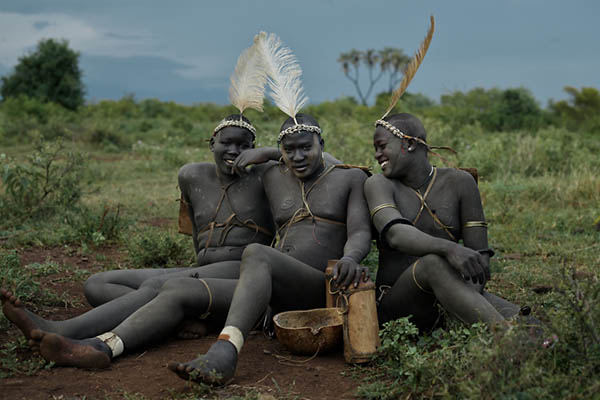
We come across a large group of Bodi tribespeople running across the road ahead of us into a large empty field surrounded by a stunning view of mountains. A woman of the Bodi tribe has fallen ill and died. The other woman of the tribe shout to the spirits and chant of her death to bring her soul to peace. The Bodi men perform ceremonial death procession and will keep the body of the woman safe for 3 days. I speak with a young Bodi boy through Anteneh’s translation about the tradition. He explains that after this, the tribe will gather together and eat the body as a sign of respect, and to ensure passing into the next world. The missionaries have failed to ban this practice. Elements of enduring spirit remain.

My birthday and Realization
The ‘dealings’ with the Mursi and Bodi were better yesterday but still very much a business negotiation. It puts me off obviously, but I had a huge think and I realized something myself… I was looking for a pure and untouched tribe, away from the western world in a completely different way of life. Ancient. I had a pre-concieved notion of the area, perhaps inspired by the images I had seen of countless master photographers who had been to the area. 10 years ago, the area was a different place, but now… it’s changing. These tribes are still living a very traditional and nomadic life, many of them certainly look ancient and unchanged, but to say they are not effected by the visitors, the governments pressures and development is completely insane. They way they believe and act is certainly different and being challenged from the original way. I understand that although I may be seeking something different than most tourists, I am part of this.

An idea is born. They way they believe and act is certainly different and being challenged from the original way. It has little to do with clothing or appearance, it is in custom. Change like this can not be made from the outside, but slowly through moral decisions within. I found comfort in what one Mursi boy told me. This was that even if you put him in western clothes, he would still be a Mursi. Of course he would, how could I be so ignorant? The problem rests in the religious conversion, as this promotes a change in mindset. It is mindset that makes an Animist (Ancient belief system based on spirits and nature), not appearance. I do not feel it is necessary to change beliefs in order to develop infrastructure in the tribes. Let’s be real- they aren’t the perfect and majestic beings presented in black and white photographs previous masters had made them out to be. These primitive people are the real deal- they have murdered, robbed, and resorted to other primal instincts to survive in the harsh landscape. Still, they represent a missing link back to an earlier time of man, a time closer to the Earth. I believe strongly that Animism, the belief of most tribes before monotheistic conversion (one God only religions) is crucial in the evolution of Mankind’s consciousness. It cannot be shunned and labelled as “witchcraft” as one tribal woman told me, it must be carefully nurtured, studied and respected.
I cannot lie and only shoot tribal people in traditional dress, I must shoot the real subjects around me. It is important to not leave out the modern weapons, the chiefs basket ball shorts and the blanket clothing (the men were completely naked a few years ago). All of this is crucial. But this is not enough- It’s not about traditional dress, I must put away my notions of how something is supposed to look, and embrace the truth. If a subject asks for money, I must tell this. These subjects are part of the tribe, so I must respect the decisions they make as part of that tribes new custom. I cannot resort to books or the internet for information, I must make personal interviews with every subject I photograph in order to reach a concensus. My story is about belief, the only real thing this change can be measured in. There can be no such thing as a “pure” tribe, for elements and customs between cultures have been interweaving since the dawn of man. Yes, the “this feels like a fucking circus” element is evidence of the disentigration of a culture, but there is more to it than the surface. Some of the women and children told me they want to change when the Missionaries come. The traditional spirit is not alive or dead, it is simply one of change.

Let me tell you that some of the
missionaries and government can do good. There have been protestant Missionaries in Mago Park, the place of the Mursi, since the year I was born-1989.They have stopped tribal wars, saving many lives. They have helped build wells, schools, brought medication and instructions about HIV/AIDS protection. However, to me it is the goal of these groups that raises important questions- religious conversion. What does cultural identity mean? How important is it? Can there be a fair trade-off?
It is changing so fast that my guess is that there will be very little Animistic belief in 5 years. (Save a few stubborn elders) But they will be absorbed into the current Ethiopian working city culture, Orthodox and/or Muslim, and an ancient way completely lost. Once the current young generation is influenced, it is over. I am extremely lucky to travel here at such a historic time. I have to record that. It is not being photojournalistic and a purist, it is simply being real. None of the tribes relied on money years ago, but now we can see a different mindset in some tribes closer to the road.The government has moved them here, taking advantage of their former land. They have forced elders to sign papers they do not understand with thumbprints, making them illegal settlers on land their ancestors have preserved for hundreds of years. The government pays them off, introduces tribes to city life, and promises more money from tourists. I must visit these effected tribes, but also make it a point to trek deeper into the jungle to get the opinion of the more remote people who have not seen the missionaries. (Yet.)

I notice Nakumo, a Mursi girl, does not have a traditional lip piercing. Even though Nakumo is of age, she has not started a piercing for a traditional Mursi lip plate. She refuses to do so under the missionaries advice.
“We go around and put butter on the trees to wish for no drought, but this is a very old practice of the Mursi. Most of my friends have been converted by Christian missionaries, and I want to try it.” – Nakumo
Today, we started to take the road into the Mursi settlement but we came across another jeep completely stuck in the mud. We had to turn back. It was my birthday so I didn’t want to just do nothing all day… We rented some motorcycles off locals and road them around Jinka. Oh, I didn’t mention my diarrhea. I felt sick yesterday and a bit today. I must have eaten some foreign bacteria my body is not used to. My bowels would slip out so easily that when I coughed during breakfast, I shit my pants. No, of course I am not embarrassed, it happens and just shows I am a foreigner in this exotic land. I have no shame in admitting I am a tourist. I notice the few tourists we come across in this area avoid me, do not want to talk, or are just rude. They too are seeking something remote and untouched, and are let down due to their expectations. I wonder if they would ever admit to shitting their pants too.
At night I see a man from the Bodi tribe with his friend, a missionary. He is drunk stumbling down the streets of Jinka, hours from his home in the jungle. His eyes are wide and bloodshot. I follow him closely with Anteneh. They walk into a bar, the Bodi is slightly phased by the lights and loud music, and looks upon the woman. They are all prostitutes. Him and the missionary negotiate over a few drinks and eventually leave with 2 of the girls. I am not sure if he is even educated about HIV/AIDS yet. This is the current state of the Omo Valley.
Turmi Arrival


“Meat. Egg with meat. Meat with egg. Fried egg. Scrambled egg. Egg meat…” is the waiter explaining to us our menu for breakfast. I think he only has two things, and is trying to expand his menu! However, I am thankful to have these staples in a country famous for drought and starvation. Since it takes so long to prepare the food, I thought it would be a good idea to order it at night and pick it up tomorrow so we have as much time as possible with the Karo tribe. Today we drove finally from Jinka to Turmi. We watched the sloped hilly landscapes turn into a little flatter and the bush turn into finer thinner more “African-esque” trees. We are a 3-4 days drive from the capital and are in some deep shit now.

We had excellent luck tonight- Ryan took his first poop in 3 days. (Unlike me.) The first hotel we saw “Green Hotel” I had to refuse the rooms… I never refuse a room! But this was just too shitty and unsafe looking for all my equipment. I do not really care if everything gets stolen, as long as I have my hard drive. Yes as I explained, I do have insurance, but it is too early in the trip to say that. Having my equipment stolen now would ruin the trip since it is entirely photo-based. I want Ryan to be comfortable… He works hard carrying my stuff every day. He doesn’t ask for much and is cool with anything but it is my duty to do the best I can. Trust me though, this new hotel we found now isn’t much.
We have convinced the only “restaurant” in town to make us french fries, or ‘chips’. They bought potatoes at the market, we explain how to slice them thin and fry them up in a pan with grease. They take more than 2 hours to prepare, but are delicious and a little taste of home and waiting is the best part.
Bull-Jumping

My diet consists of porridge in the morning, skip lunch and find anything you can on trees (delicious by the way), then rice with our home-made chips for supper. It has been this way for the past 4 days, and will continue to be until we leave. Yesterday we lucked out big time and witnessed a bull-jumping ceremony, which is a right of passage for boys of the Hamer tribe. I think they are out of season right now but Anteneh found out from a kid on the street. After a 3 hour jeep ride, we trekked two hours into the jungle to a remote village. (This is going to be nothing to the Amazon tribes of South America I hope to find in the future.) We got there and witnessed the whipping of the women related to the bull jumper (whom I got a portrait but missed a good shot of the actual jump… but I got a nice video… Anteneh filmed it.) I was too busy mingling in the crowd and eating the sweet fruit picked from the top of the tree by Ure, our little friend from Turmi.

The women taunt the whippers and ask for more and more. The whipping is encouraged, and not a form of punishment as some people may think. Scars are a sign of beauty in Hamer culture. A real woman has scars. Ryan’s legs are giving in from having the backpack, but “they are just swore!” he promises me. There were Italian anthropologists at the jumping ceremony, but no others. They followed our jeep home. We had to cross some rivers (sometimes getting out of the jeep and walking across to avoid danger) but the hardest was a dry river bed which we passed successfully but the Italian jeep did a huge jump and got some air. Their jeep, however, was perfectly fine and much stronger than our 4×4 in the end.

Galeb / Daasanach tribe

The road to the Karo has flooded again and we must visit the village another day. Such things are to be expected in the Omo Valley. Today we went back to the Galeb/ Daasanach village and were welcomed more warmly as we have been here several times now. I think this it is important when visiting these tribes to establish relationships, gain trust, learn names and stories. It puts you in a different category than people who just stop by, snap pictures and walk away. In order to reach it, we had to cross the Omo river in “Ogolo boats” which are carved from tree trunks. We loaded up the 40k camera in the shaky boat and passed the strong current. All the women are naked and decorate themselves with scraps from watchbands, bottle caps, and other materials they can find or trade with the Kenyans. (There village is very close to Kenya and trading is a usual practise.)


On the way home we got in an argument with our driver Bickey. He didn’t want to drive passed sunset due to “insurance reasons.” It’s bullshit, he just doesn’t want to work. Sunset light is the best light to shoot in. On our way to the Galeb, Bickey had sped passed the checkpoint and hit the wire to stop cars making it scrape across the fresh paint, and now he is moody.

There is a mysterious beast hidden in our hotel ‘ceiling.’ At night we hear it scurrying around and see a huge lump in the canvas sheet crawling above our heads. One day we woke up and there was a rooster in our room, but it was not the mysterious creature. I think it’s some kind of bird or rat.
I’m starting to crave Western food a lot less and getting in the groove of things here. My biggest struggle is getting things charged. There are my flash batteries for the generator, my digital back battery, the camera battery, my laptop to download pictures and finally my Ipod! But the Ipod comes last, and is not too important. We have power from a generator only for a couple of hours a day so we either have to beg the hotel owners to keep it on, or to distribute my belongings throughout the hotel since each room only has 1 plug. When I plug in more than one thing, the lights begin to flickr and surge and I cause a power-outtage. This is a pain in the ass. I will buy some more AA’s today because I think my power inverter has killed and shortened the life my current rechargeables.


Tomorrow we are visiting the Karo (but actually today since I am writing this a day late.) I couldn’t finish last night because the power went off… No light. How ironic.
The Secret of the Karo

The other day we went to the Karo village to find facilities created for tourists. We drove the car in, disappointed… A parking shelter for tourist cars and a hut to sit in and a Karo tribesman to serve warm beer. Of course we were thinking “what the fuck” so I decided it would be beneficial to speak to a tribesman about this decision. I started talking to Damo Dori, a man of about 25 years of age. Through his life he has seen the change in his culture, and supports it. He explained to me something shocking, but understandable. We spoke for about 1 hour and it went something like this-
J- what do you think of tourists coming?
DD- We like them because they give us money for photos
J- What do you think of missionaries?
DD- I think they are good because they are helping us become better people
J- How do you define a good person?
DD- Someone who has a lot of money, lives clean in a city… I suppose just someone from a city.
J- A tribesman could never be a good person?
DD- We are progressing to it now and will be soon when we work and move out of this place.
J- So you do not want the Karo way of life to press on? Are you not afraid to loose your identity?
DD- No. I do not care about it.
J- Do you feel by letting tourists in, you are exploiting the culture of your elders?
DD- We are purposely doing this. In fact it was a decision from some of our elders. All this building was the elders idea to make money. we are saving the money, and once we have enough, we will abandon this place and start a new way of life.
J- In the west there are people that have moved from a tribal culture to what you are striving toward and still feel something is missing. (I explain Native American Indians, their assimilation, and some groups thirst to regroup and perform traditions, such as Pow-Wow.) There are even some movements to get back to a traditional society in which people believe that a tribal lifestyle was closer to happiness.

Then he started to ask me questions about my life. I told him that I respec
t any decisions he makes as a Karo, because that is a Karo of today so I respect the mindset. I warned him, however, that his mind could have been swayed by the missionaries who wish to put their will upon him and dissolve his culture into theirs. He was very serious with me. It was some heavy news when he told me everything I saw, yes was traditional, but only up-kept as a fabrication at the moment to please tourists so they can split when they have enough. Of course this village is original and traditional, but it is the mindset that has been swayed.
Anteneh told me a long time ago, the tribes really did believe that looking into a camera and having your photograph taken could steal your soul. Perhaps in this case, it’s true.
I photograph not a traditionally dressed Karo woman, but Damo Dori himself dressed in his t shirt. The location was a favourite tourist spot overlooking the Omo River.
In Hamer country

Last night we stayed sleeping in a Hamer hut. It is Anteneh’s old village and thought it would be a cool idea to “experience the culture first hand.” We are not welcomed neither very warmly as tribes are portrayed in movies as nice earthly people, free of worry… nor were we welcomed with a large distaste. We were simply just accepted and in a kind of middle path and watched with curious eyes. They are curious in our white skin, and press down on it in confusion at the changing colors caused by the pressure of their finders. Generally they are nice but still do not hesitate to ask for money for photos. I guess perhaps this is why they might be nice. However, I do not believe this village anywhere near as tainted as the Karo’s. Yet we (and much to Antenehs disappointment) found a new German missionary building in their village.


Last night we chose a goat from the tribe, slaughtered it, and ate it after cooking on a fire. It’s amazing how first the tribesman skinned the goat and preserved it’s meat. I was supposed to slit it’s throat but as soon as they held the animal upside down, neck up, it started screaming and I wussied out. I just didn’t know how to slice it properly and I didn’t want it to suffer in front of all the children watching. Anteneh told me they get really upset and angry when a goat suffers, as they too are part of the tribe. So instead, I just held it’s feet from squirming as a tribesman ceremonially slit the neck and slid the knife down the throat. A quick and easy death. Yes, I pussied out but it was much better than Laurent and Heida… who hid in the hut and couldn’t watch or even eat the meat from the goat they had recently seen prancing around. We sat there under the stars eating our cooked meat, while the meat we shared with the tribe was eaten raw beside us.
I am sitting in the yard of the hut with a tribal man across from me hanging out. A Hamer woman is showing me how to best preserve the skin for clothing, and we are stretching it out on the ground with stakes to dry in the sun. I have donated my skin to the tribe, I have no use for it in my jeans.

The sickness
Yesterday was Ryan’s birthday which should have been a time of goodness and celebration but instead I was very ill with cold sweats, delusion and weakness. When we slept at the Hamer village, our driver never came to pick us up. We are all starting to hate Bickey. We were starving so we decided to walk back to Turmi which took about 2 to 2.5 hours. It was in the direct sun and heat so I believe my sickness is sun-stoke or heat exhaustion. I spent the day napping in bed, whining and feeling at an all time low.

This guy who let us stay in his mother Hamer hut has turned out to be one of the biggest annoyances of the trip. (And trust me, there have been a lot of these.) I didn’t like him from the beginning and something about his snakelike personality and dual-opinions made me not trust him. We have all gotten in arguments with him over money and I believe he stole my Ipod. I can’t find it. I think this because we gave him a “village fee” of 200 birr, a donation of 100 birr for his moms hut and Anteneh gave him 100 birr for helping us. This is a lot of money in Ethiopian standards. First we caught him when he asked us for money, he lied and said Anteneh had not given him anything. Then we went back to the Hamer village to look for my Ipod. We found the elders mad at us because he had told everyone we did not give any money and secretly kept the 400 birr for himself, which was even some of his mothers money. He is now shunned in the tribe and never allowed to bring tourists there again. The elders are now cool with us too and Anteneh, who’s job relies on peace with the tribes.
Everything here seems so tainted and money-driven. If the tribes once had a self-sustained free culture, it is now gone in many parts of the Omo. Racial profiling is huge here and I feel it toward me when walking the streets of Turmi. The hamer women that pass you do not say hello or smile, they just say “photo” or “photo, 2 birr” or try to sell you the ethnic clothing from their back. In another light, I can understand how it has progressed to this. And how white people showing up, taking photos, paying, leaving, has fueled this. I feel the tribes hate me, and I can understand why. Years of ignorant ethnic tourism.

Heida accidentally bought the grossest most disgusting thing from the Dimenka market. A guitar made from a tortoise shell. It’s so appalling and stupid to buy that we have been laughing about it for the last 5 minutes. Not only did she buy a dead and endangered animal, but inspired also the guy who sold it to her to go kill more to sell to naive white ladies. She swears she didn’t know it was a shell, but it’s very obvious. All the strings make the same sound – “dunk dunk dunk.” Whenever there is silence in the jeep, someone goes “dunk dunk dunk” to piss her off.

r />We ran out of Gas in Turmi and had to drive back to Jinka, the only gas available in Turmi is likely watered down. Last night we stayed at the “Jinka resort hotel” as a break from the low places we were staying at, and as a chance for me to recharge everything. It is such a nice place compared to the other places we have stayed however the toilet was messed up and clogged overnight so we argued with the manager for a discount. The rule where I live, the customer is always right does not apply in the Omo or at least not with this manager. He kept arguing and arguing making the same point wasting our time. We won the argument 3 times over I’m sure. I slapped some money on the table, not the full price, but a decent amount and said “here you go. we’ll leave now and there’s nothing you can fucking do about it!” Not the case in Africa, skinny white Joey! The armed guards locked the gates and there was no where we could go. Shit. I paid, barking revenge and left.
Then we found out there was no gas in Jinka. No gas = no photos.
“Fuck tha po-lice”
We drove back to the Mursi on the 18th and down a mysterious road we had not seen before to a point. Then we trekked to a more remote village. When entering Mursi territory, one must take an armed scout with them to make peace and resolve and problems with the tribe. Usually they are a tribesman themselves. Our scout was from this more remote village and said not many tourists have visited. These Mursi were overall nicer but just as pushy as the rest. I understand it, as it is a staple of their warrior culture.
The next day we went back out to visit a Mursi village along the hillside we have been to several times and become close to. Our scout told us that some tourists had gotten robbed by unknown Mursi and the only safe village was the one closest to the police station. We drove there only to find a very unphotogenic village with no one there, the people were away working in the field. I didn’t want some stupid tourists who thought it would be smart to camp with Mursi to ruin my day so I asked what is the worst that could happen if we disobeyed the police and went to the village on the hillside regardless.


Of course the police are not like home and both Anteneh and the scout would get in serious trouble if caught and some serious fines or perhaps even some jail time. So I schemed and schemed with Anteneh… The answer is simple and NWA’S Ice Cube would agree- “Fuck tha po-lice.” If the police were out in the jungle searching for the Mursi, then they would not be on the main road until nightfall. There is only one road. So we parked the car on the main road with a tire off pretending to change it and took pictures at the village we wanted to, keeping a strong eye on the road. We left at sunset to avoid pr
Fabian:(Feb 04th - 10:48) this is incredible stuff...I truly admire your dedication.  I feel proud of you and for you.  don´t stop "seeing" what is out there...
Ole Martin Halvorsen:(Feb 04th - 14:31) Great read.. cant wait to read the second part.. =)
Paul:(Feb 04th - 20:39) Dude, you rule. I have been waiting for a new post for a long time, and this was well worth the wait! I can´t even imagine doing anything like this. Great story, great pics, I look forward to the next part!
Bernardo:(Feb 05th - 04:39) Inspiring story and great photos! I really admire your look on life.
charcrit:(Feb 06th - 22:52) Hi, I´ve looked your works let me tell you, in this world I have not seen any young guy can produce up to this standard yet!! well done.all the best.
Sander:(Feb 08th - 21:31) Nice story Joey, great! :)
Dominoe Imus:(Feb 10th - 23:27) This post was amazing, so so amazing!  Thank you for sharing your wonderful adventure!
Steve:(Oct 17th - 11:24) Cool pic of the "Yellow BIG" Guy. The writing "Er i farta" is Norwegian and means "Is on my way".. =)
forexst_ra_tegies:(Dec 06th - 16:51) I am definitely bookmarking this page and sharing it with my friends. :)
forexst_ra_tegies:(Dec 07th - 01:24) I am definitely bookmarking this page and sharing it with my friends. :)
Day Forex:(Dec 20th - 21:51) I somehow dont agree with a few things, but its great anyways.
Holiday Foreign Exchange:(Dec 20th - 23:51) I somehow dont agree with a few things, but its great anyways.
fore_xstra_tegy:(Dec 21st - 02:23) I am definitely bookmarking this page and sharing it with my friends. :)
wheyp.roteinsideeffects:(Dec 21st - 10:06) Very outstanding place. The information here is genuinely valuable. I will invite my friends. Cheers
fore_xstra_tegy:(Dec 23rd - 23:52) I am definitely bookmarking this page and sharing it with my friends. :)