WHAT IS A MODEL RELEASE?
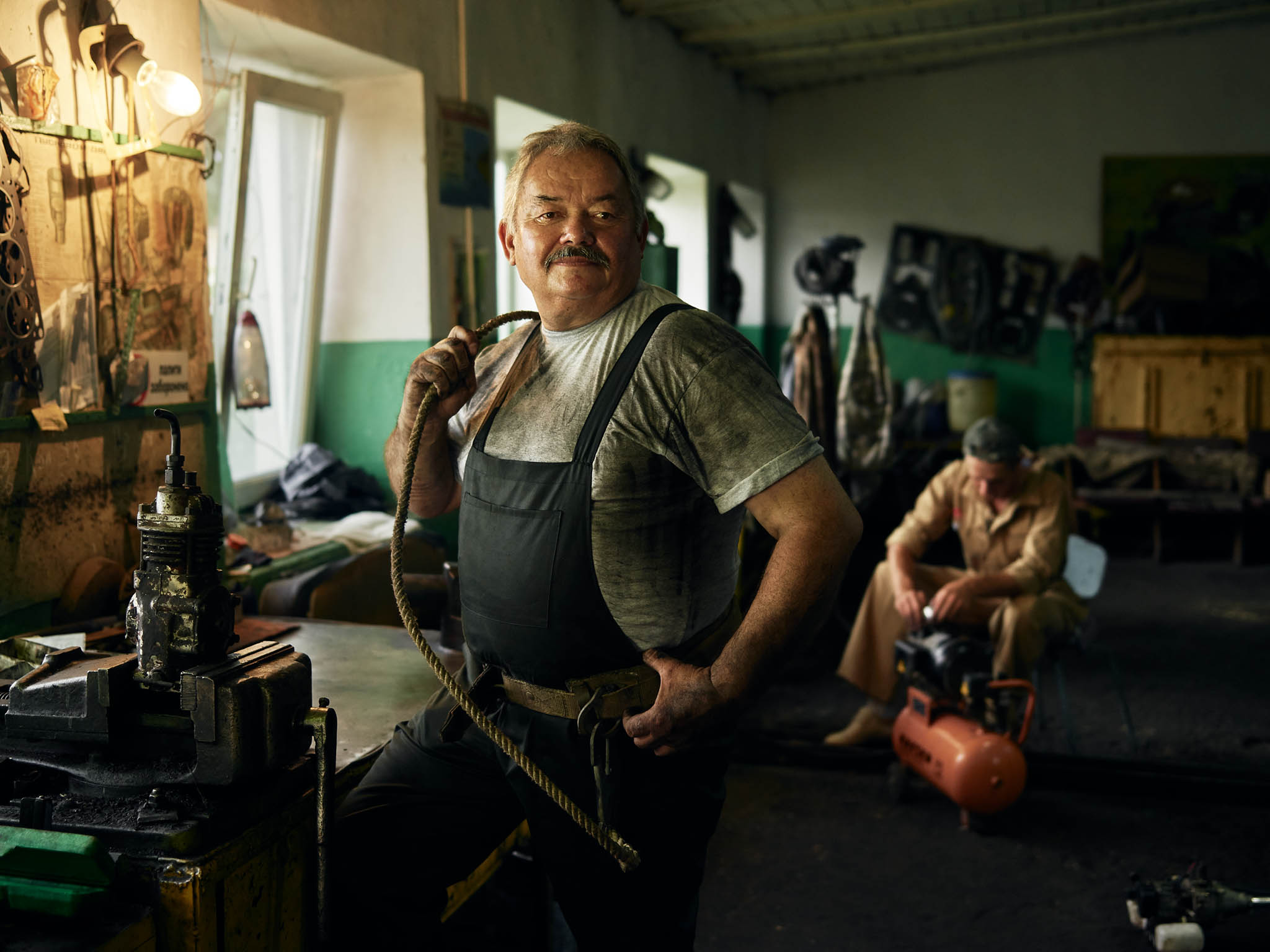
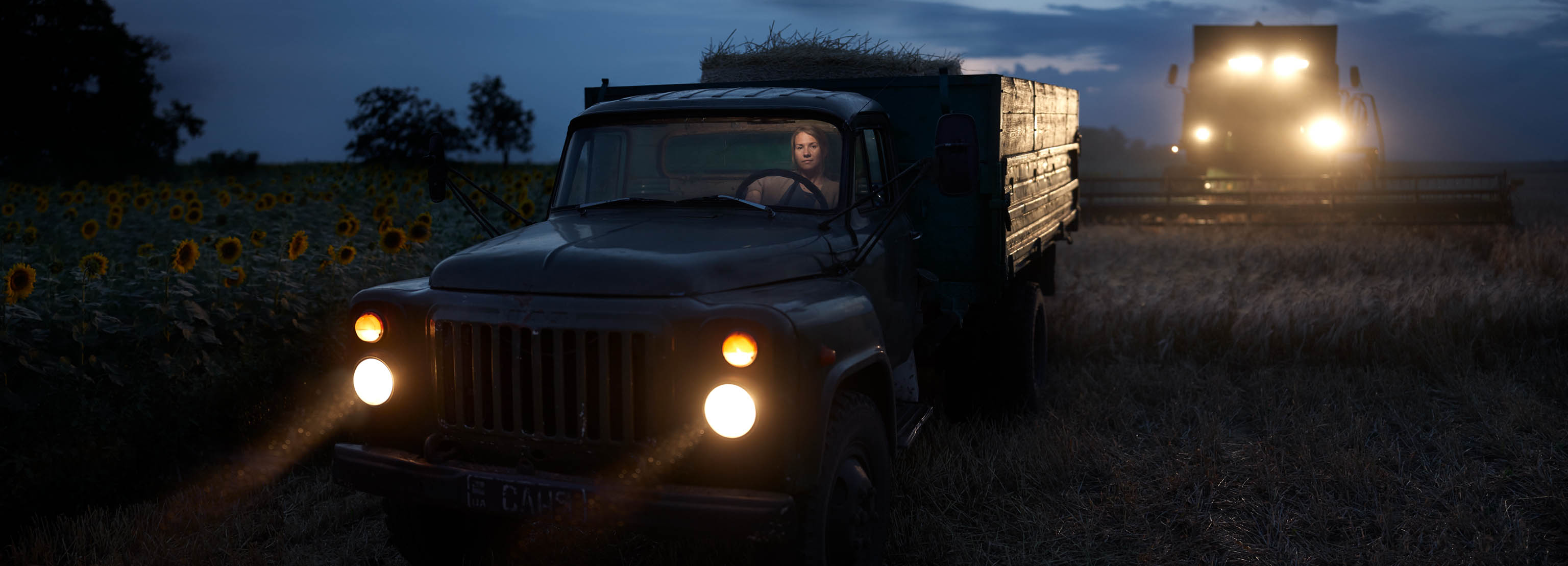
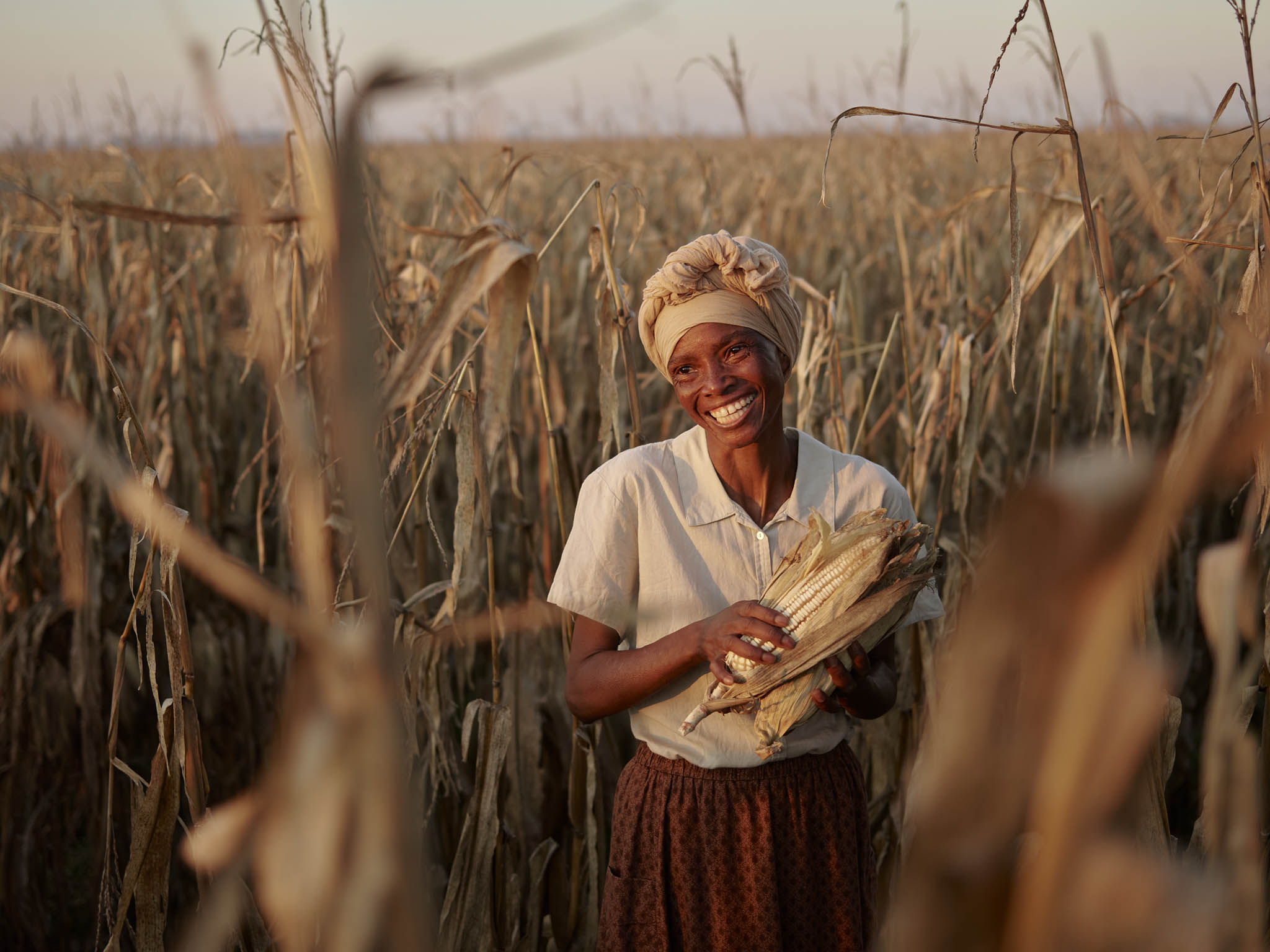
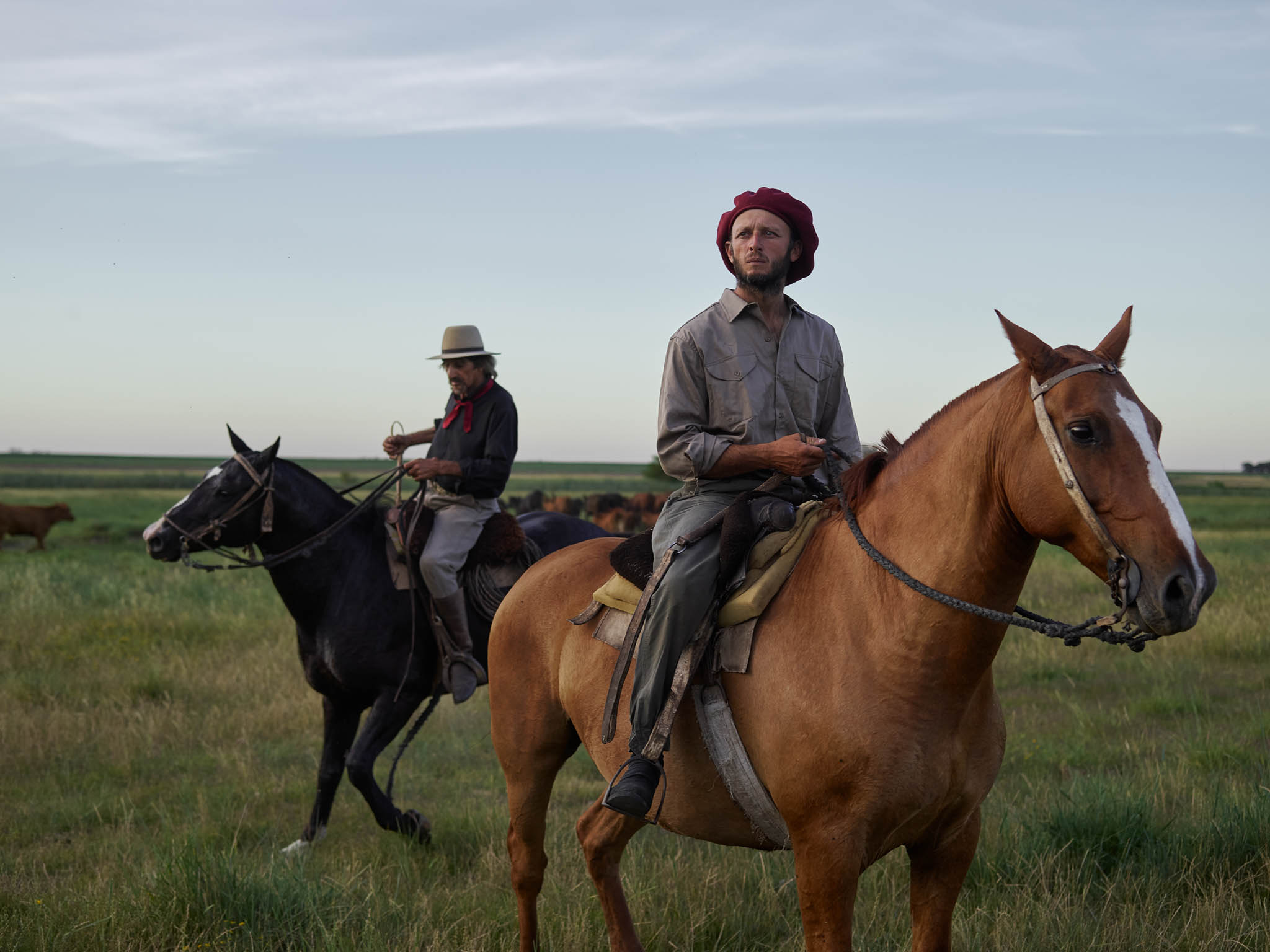
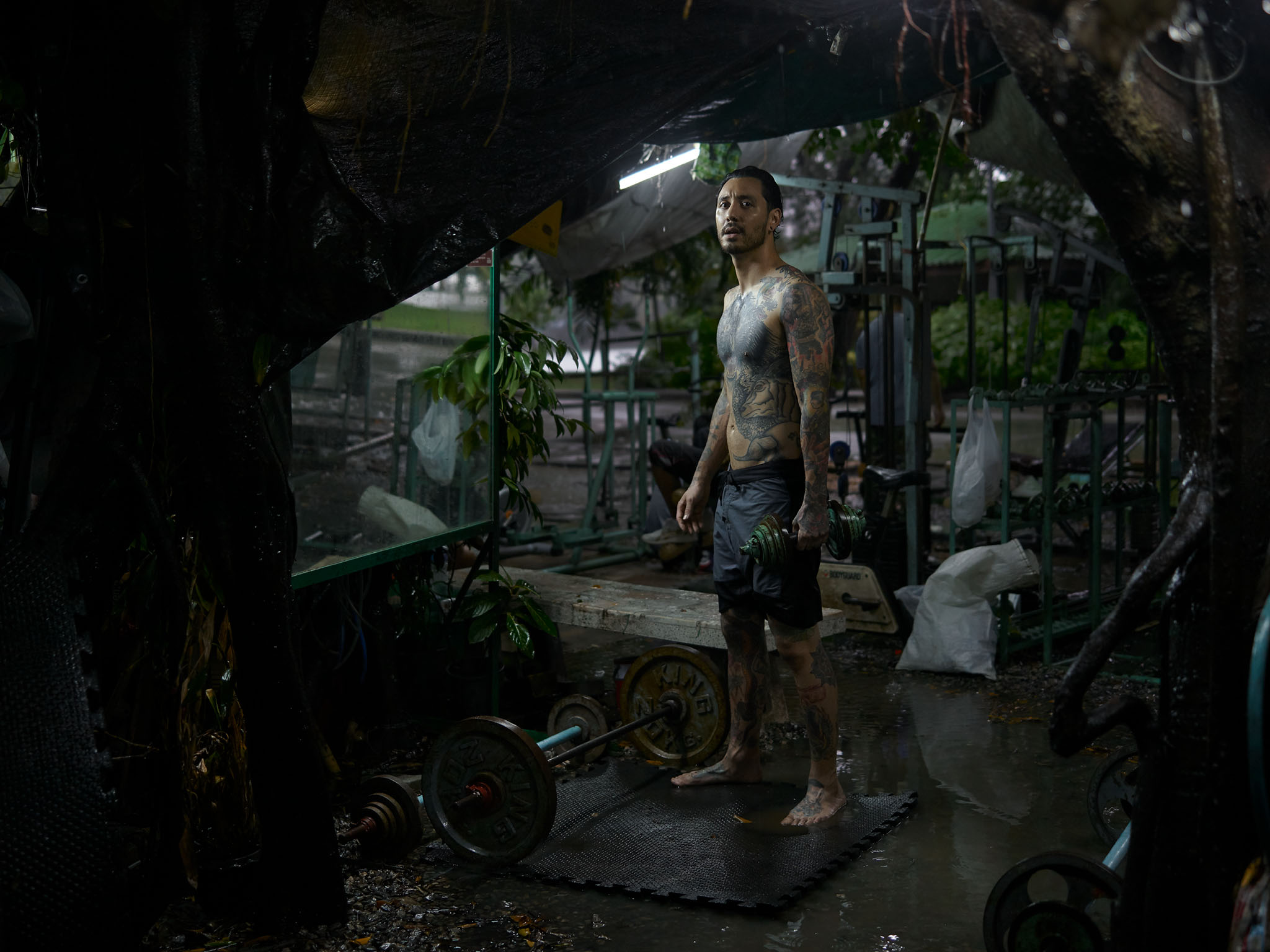
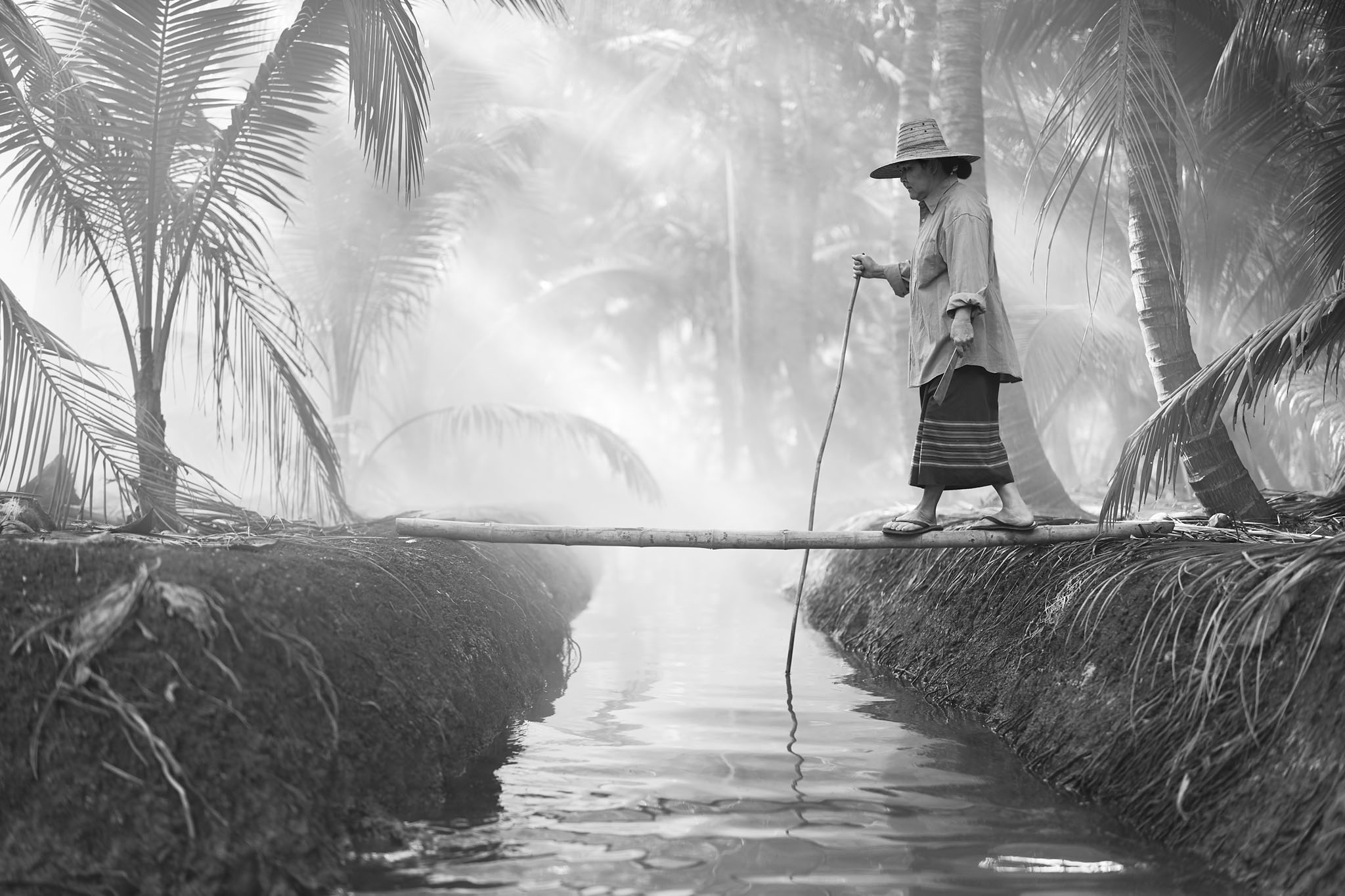
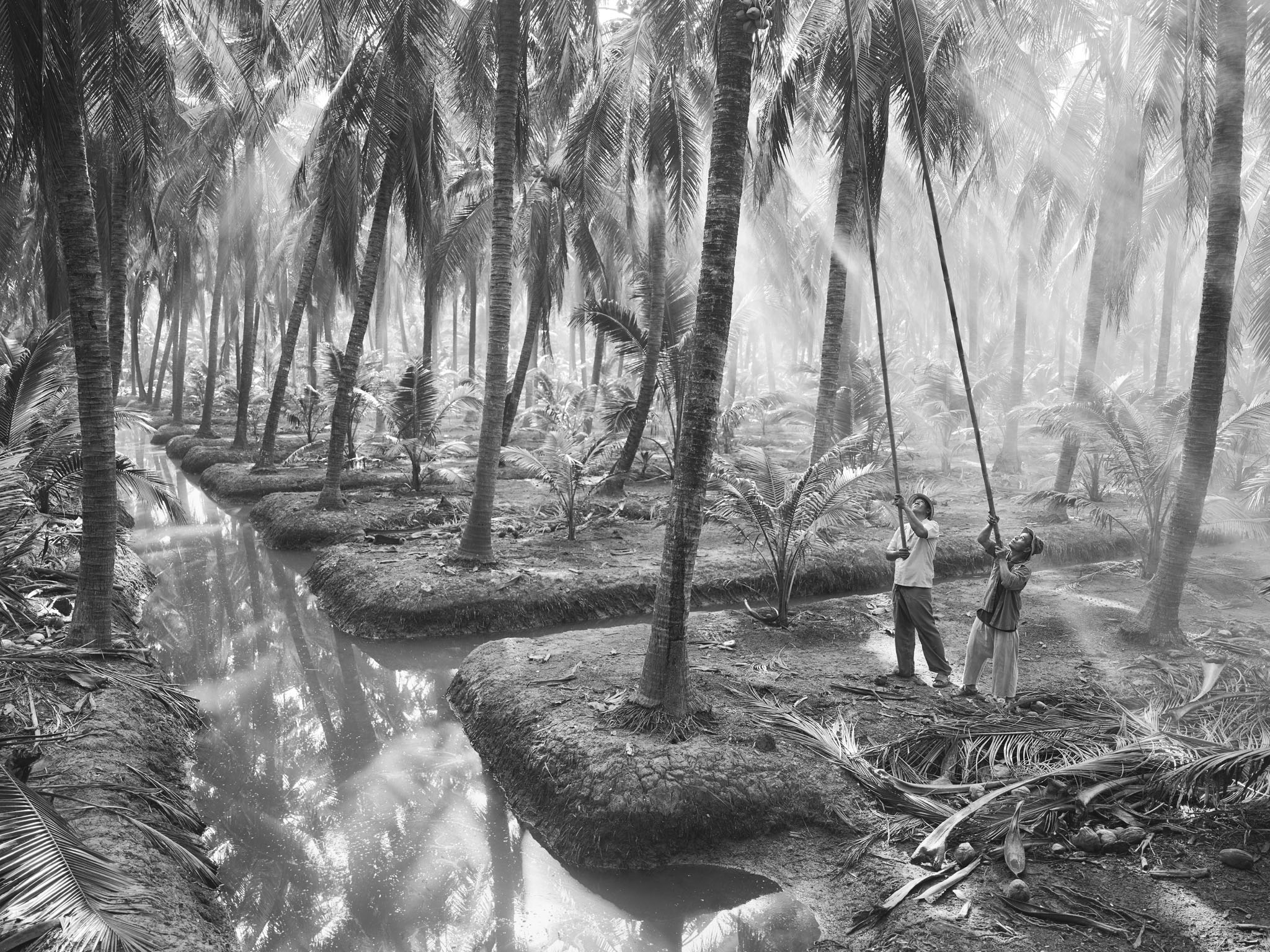
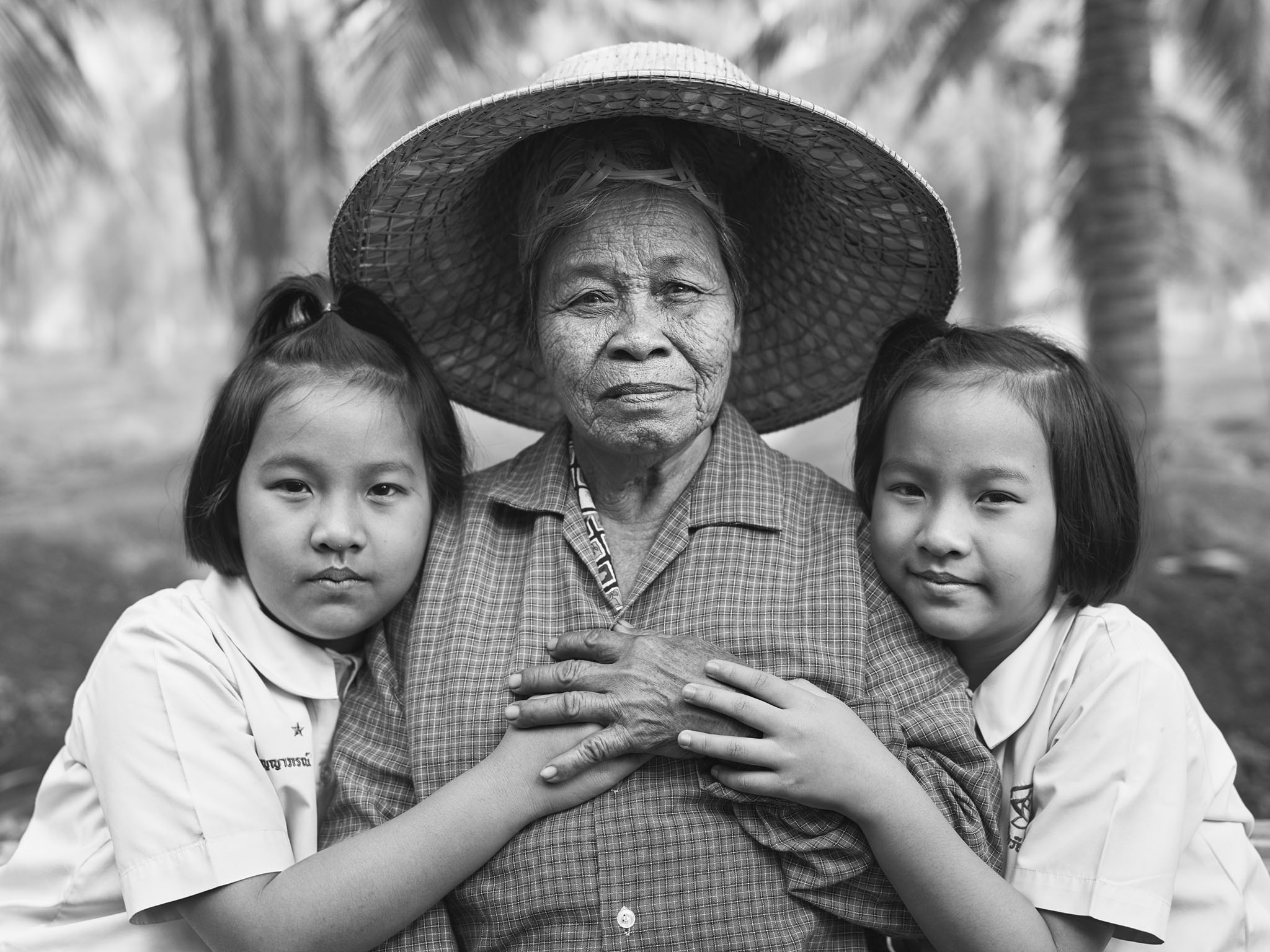
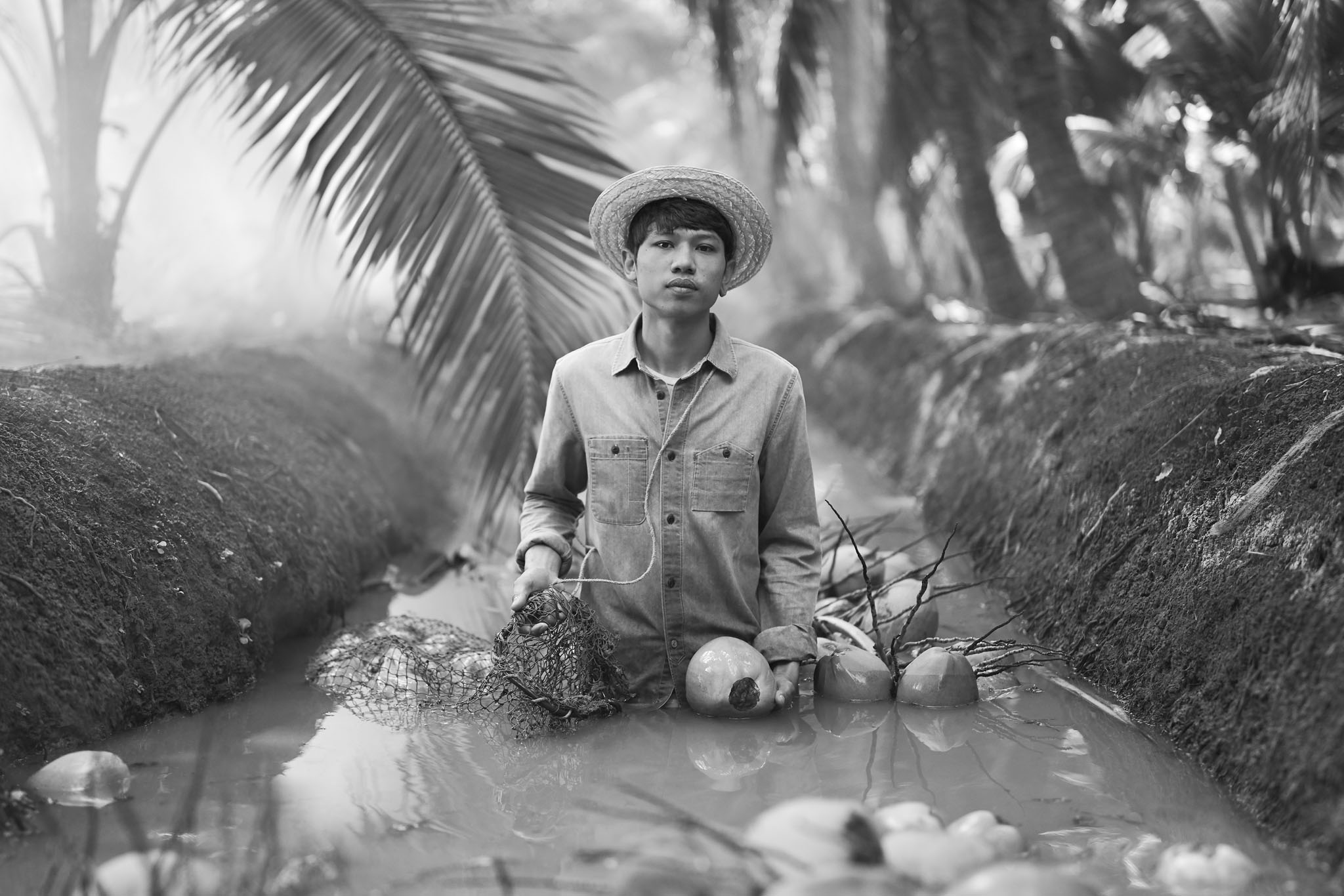
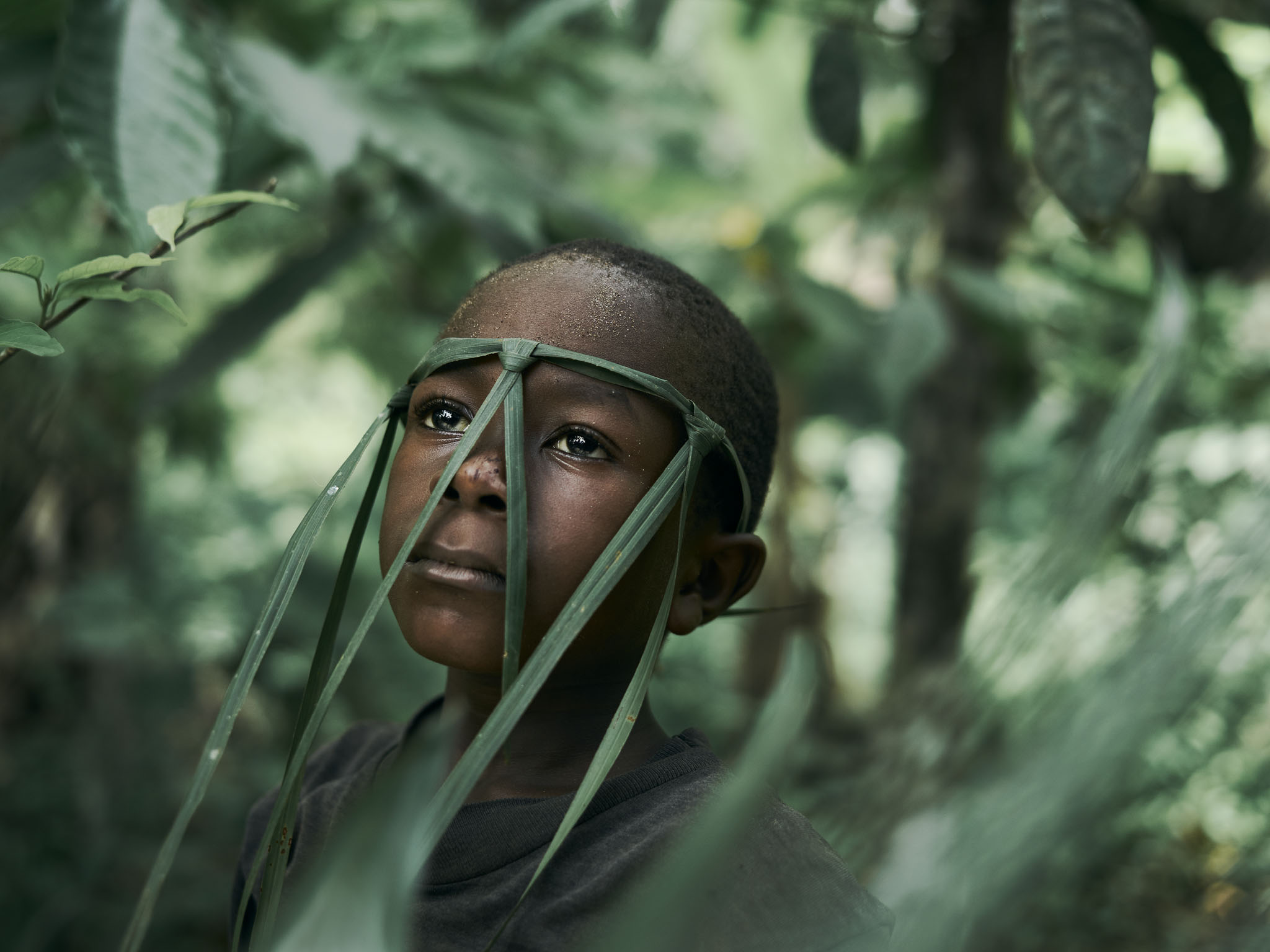
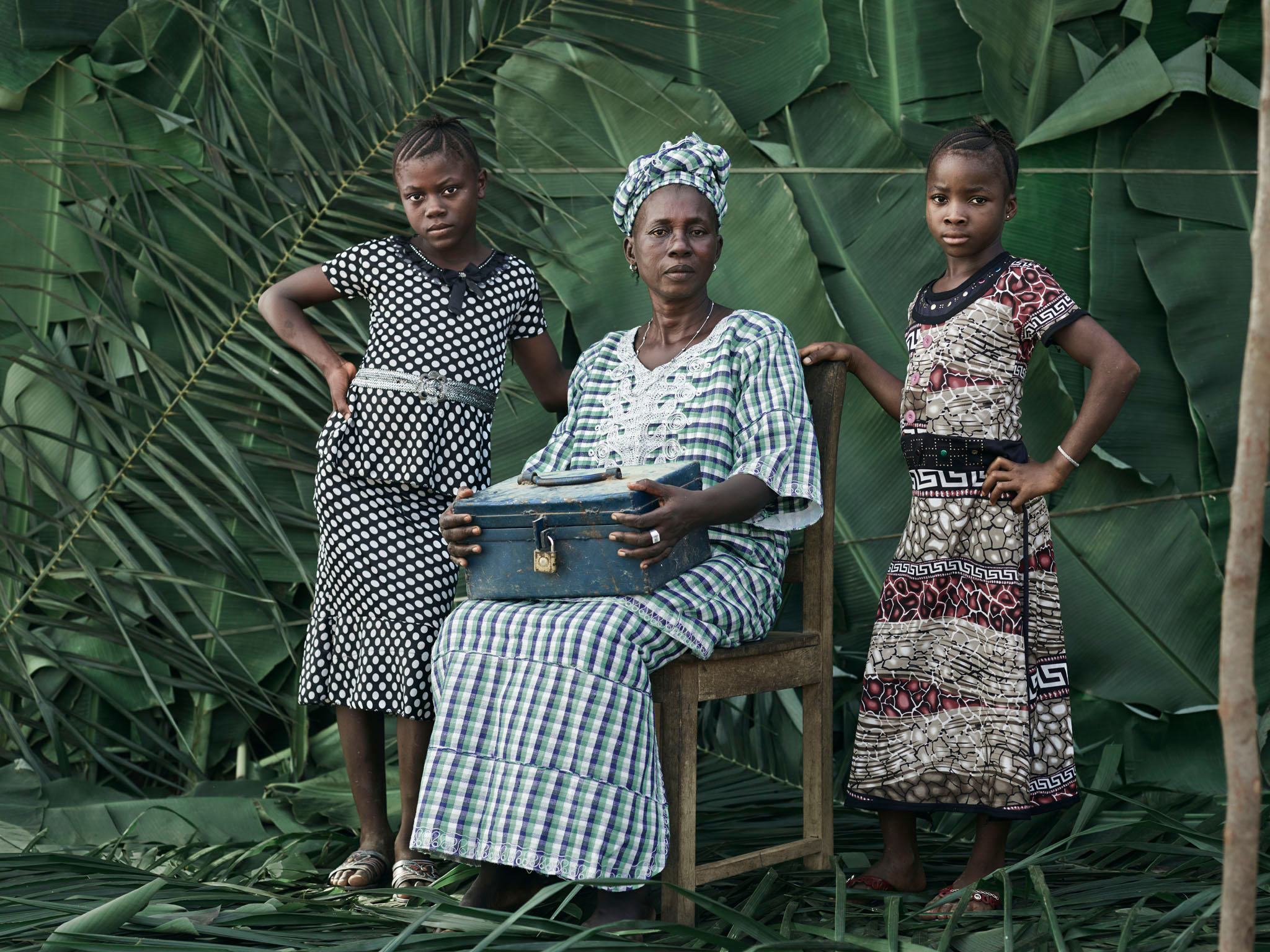
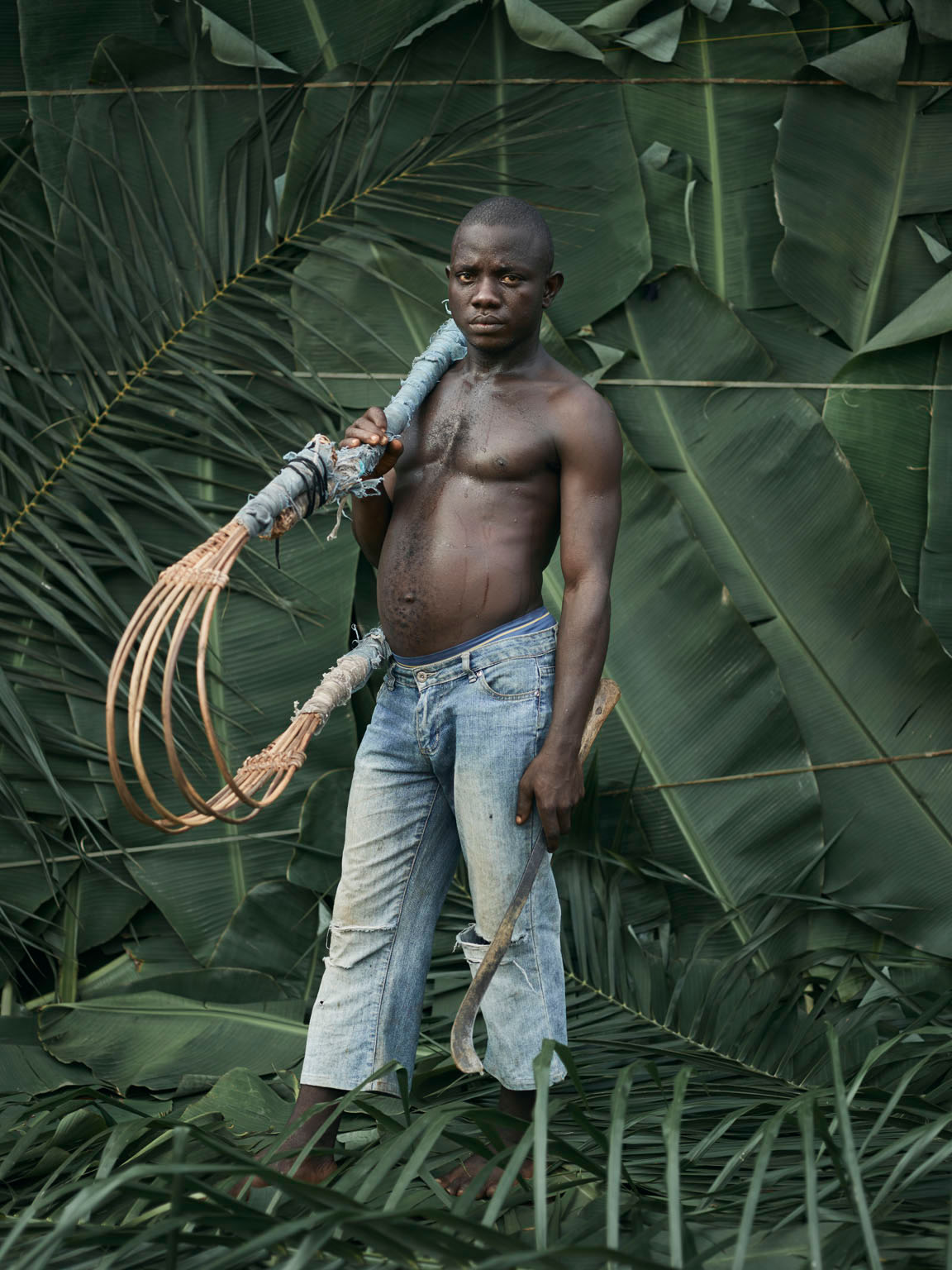
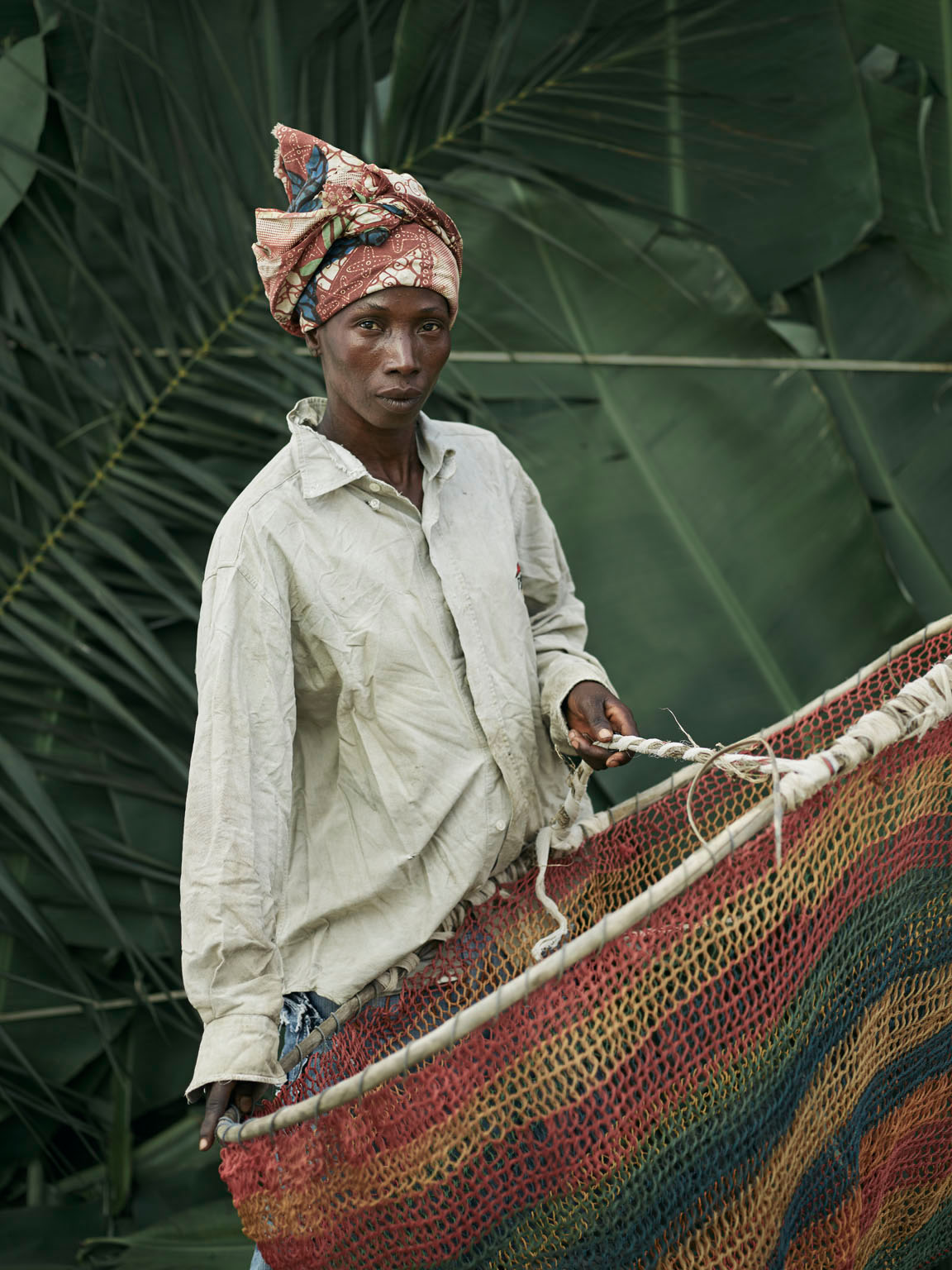
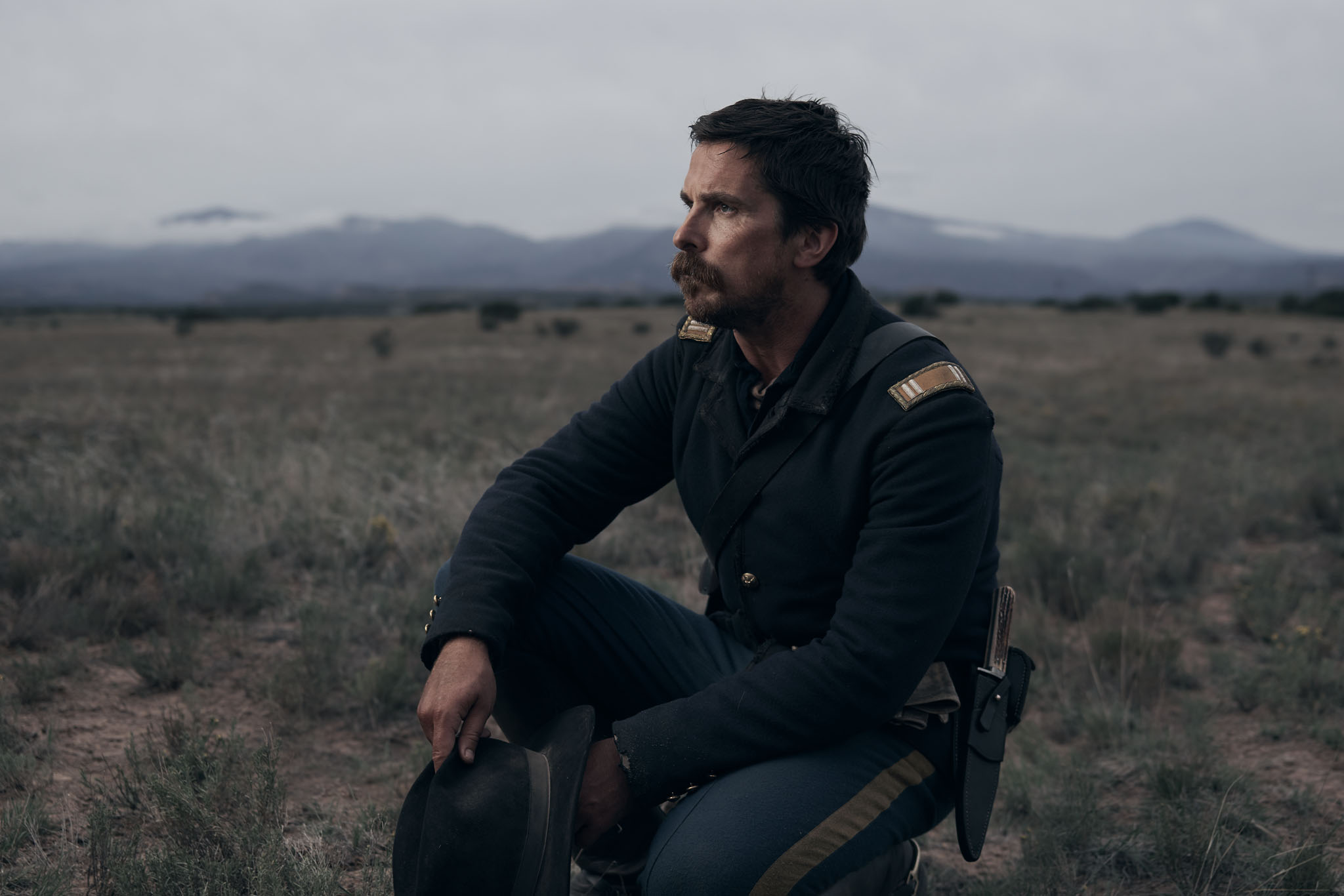
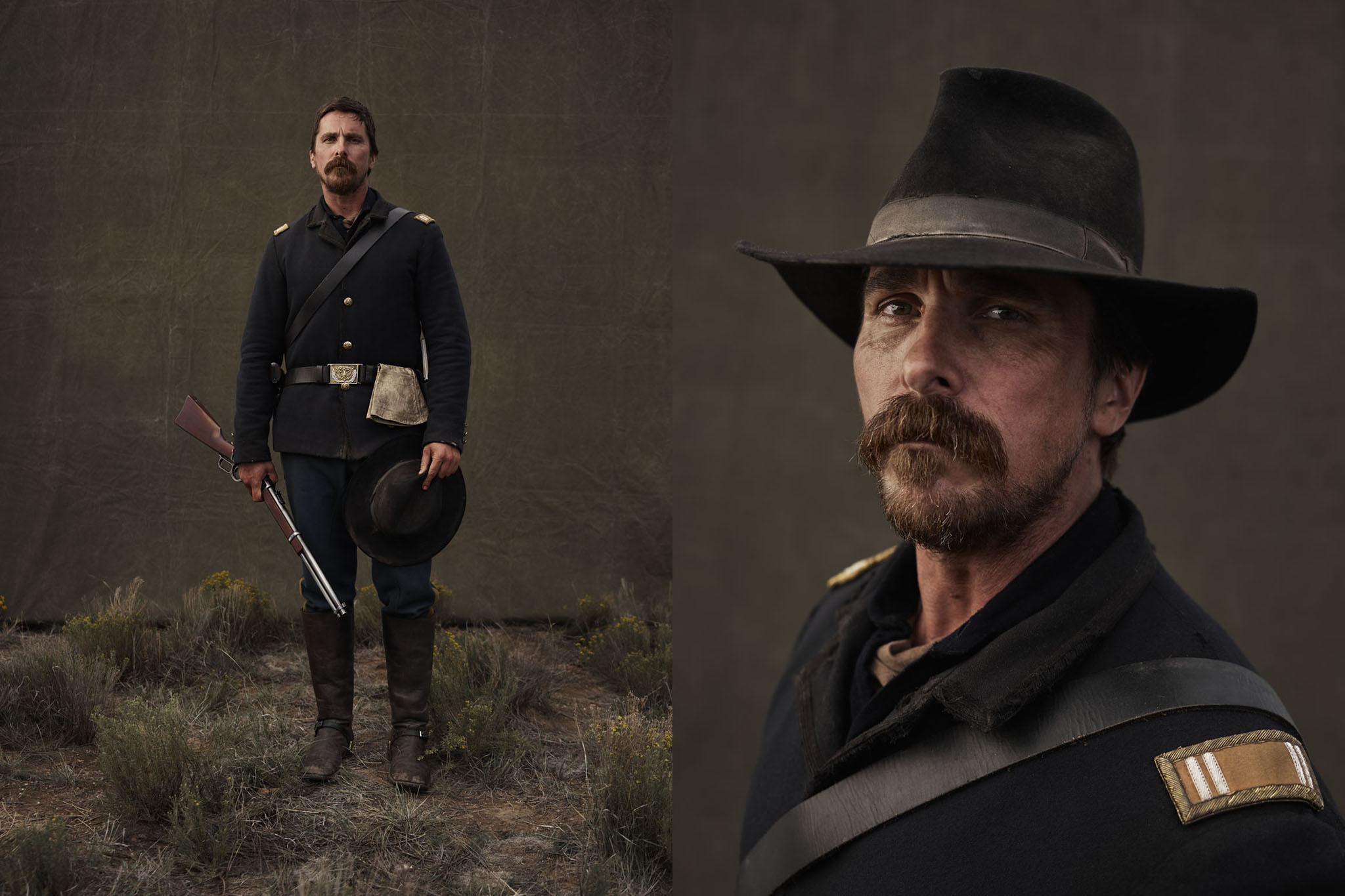
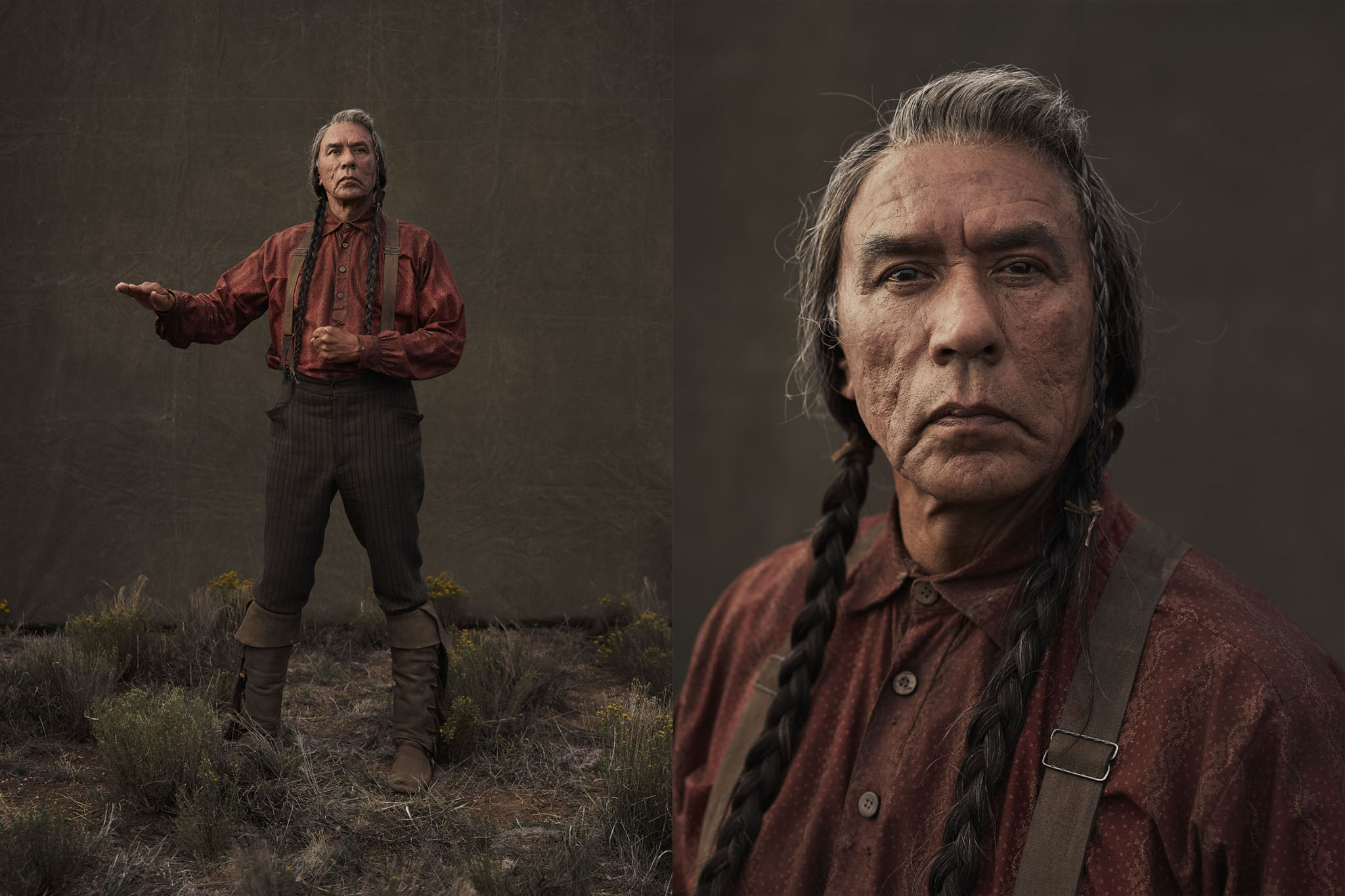
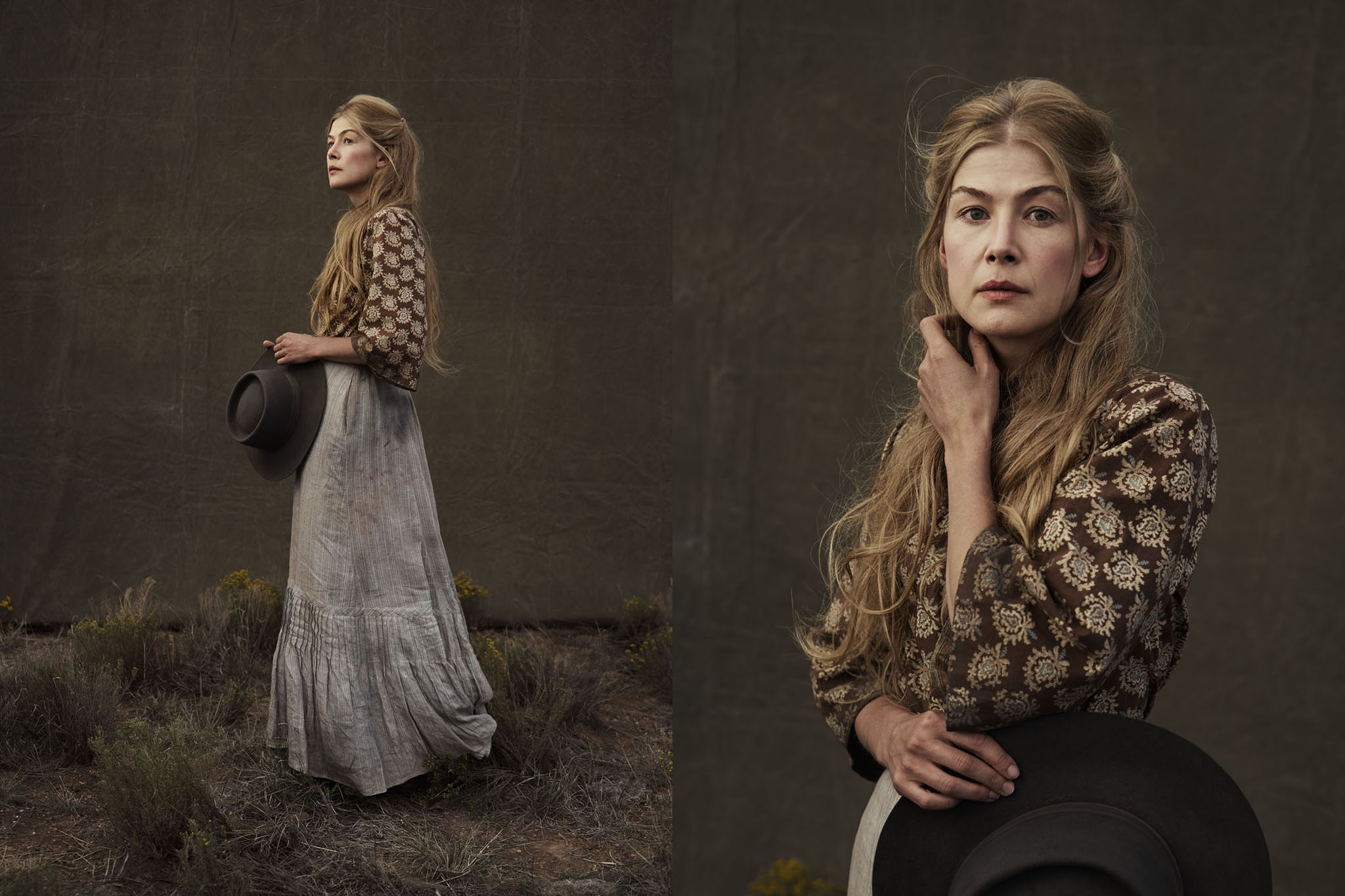
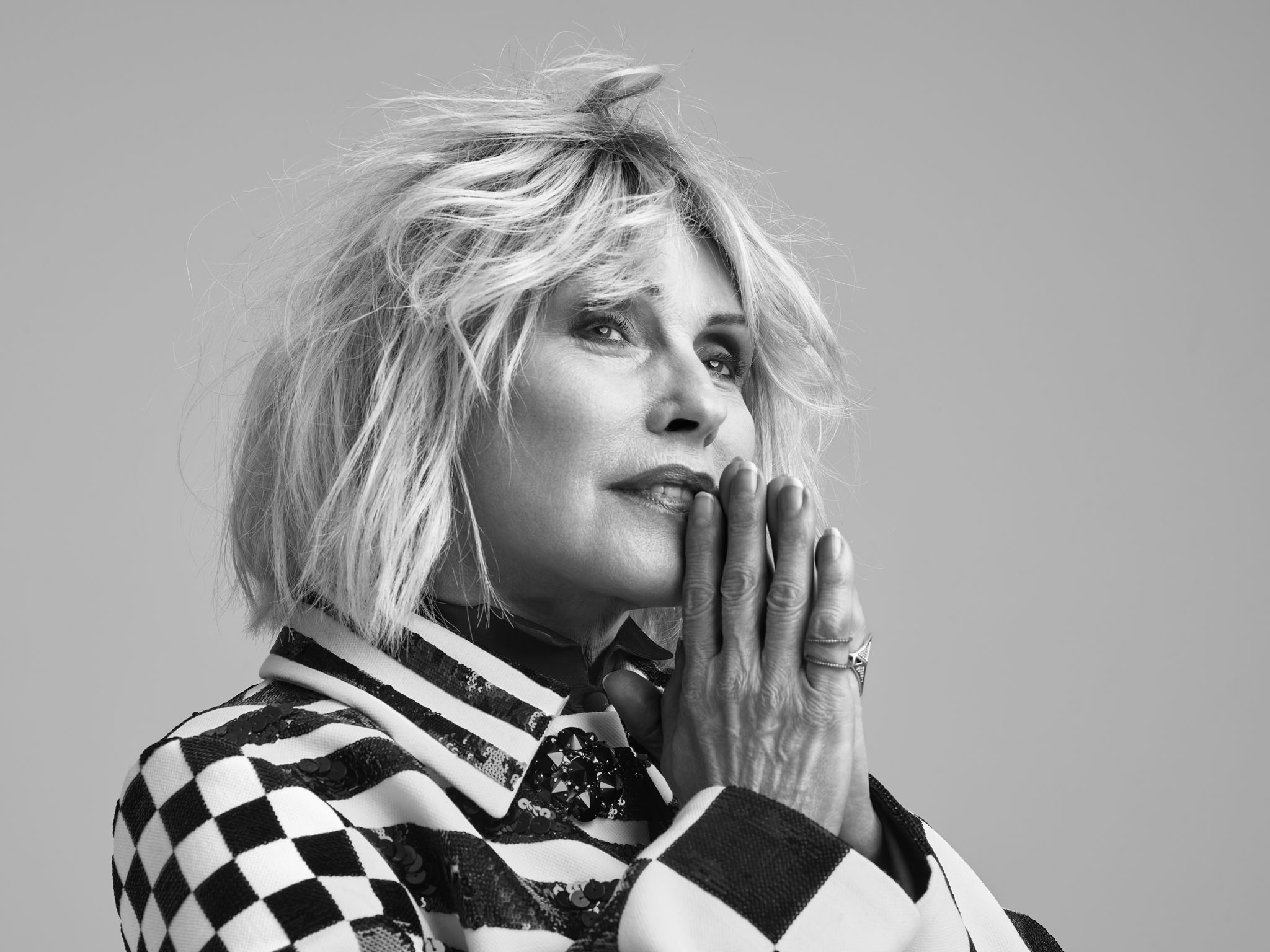
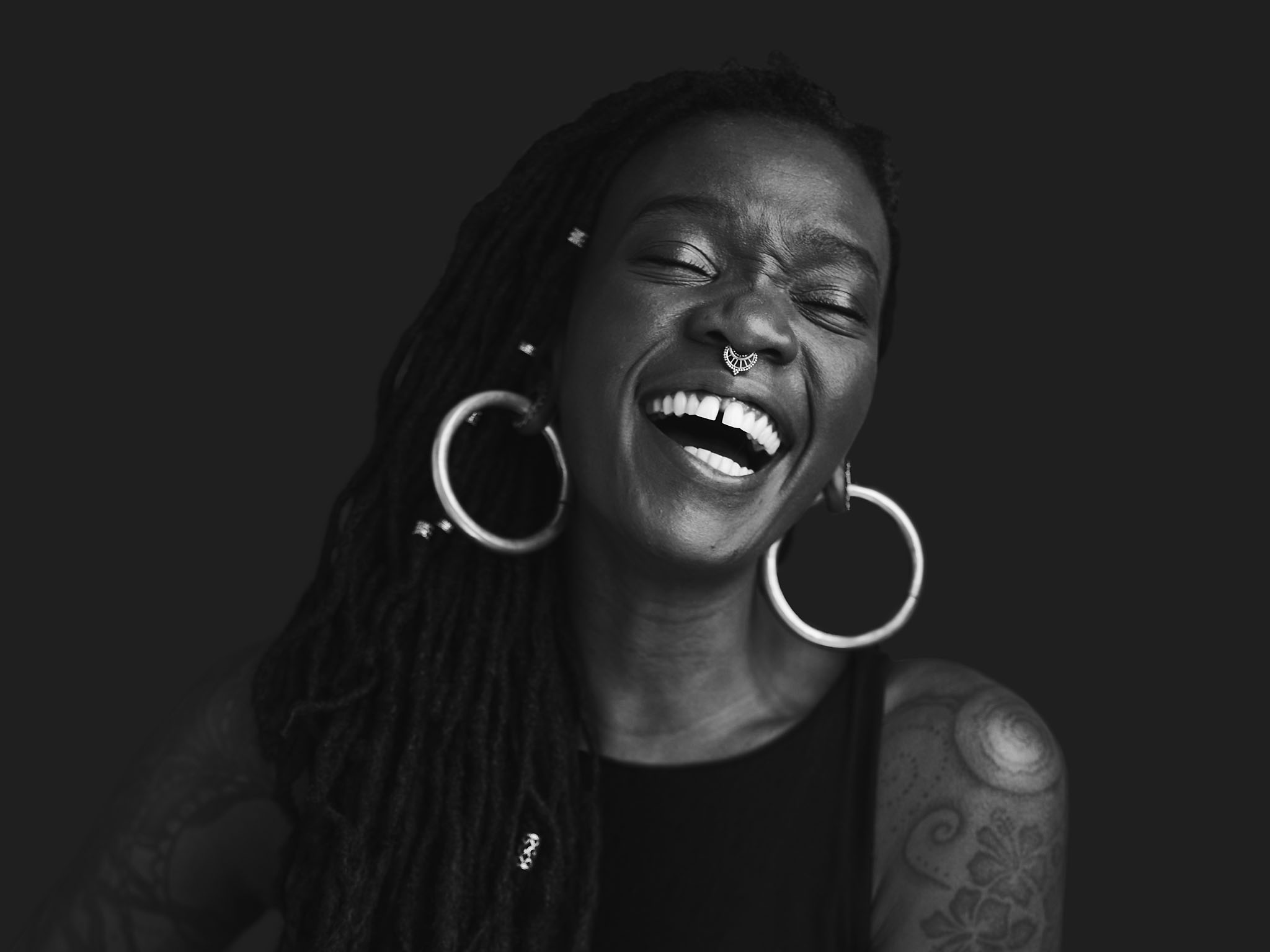
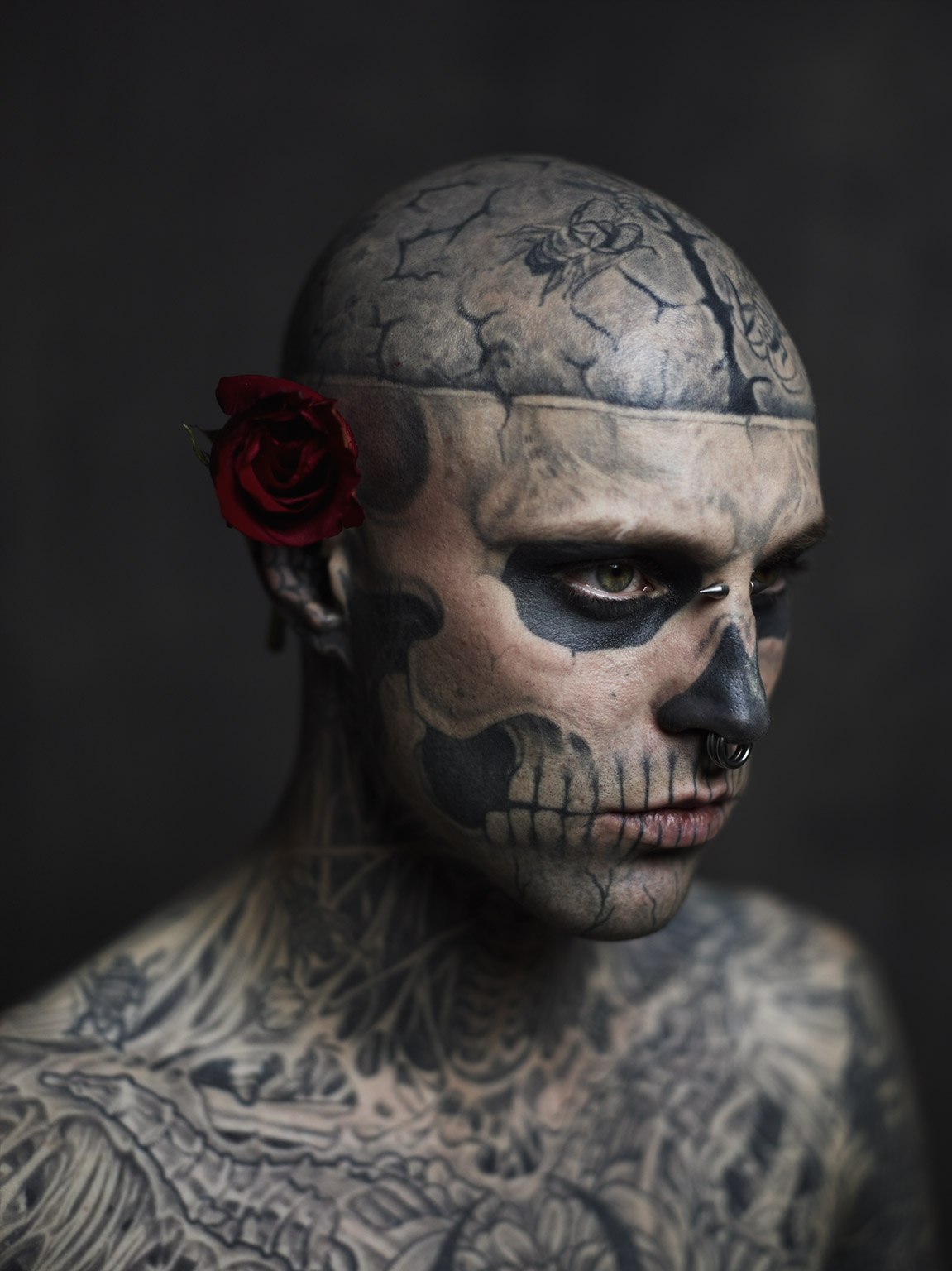
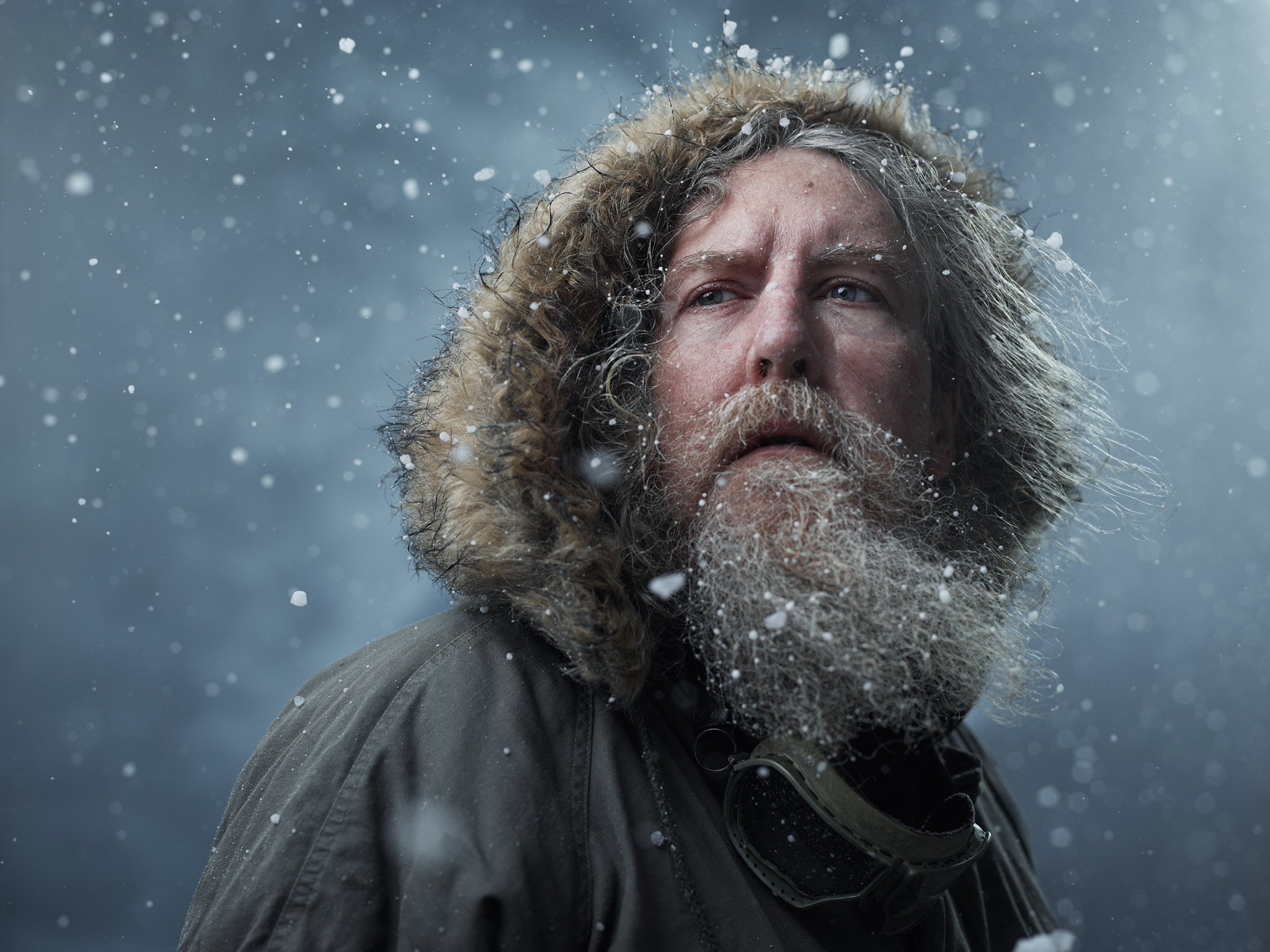
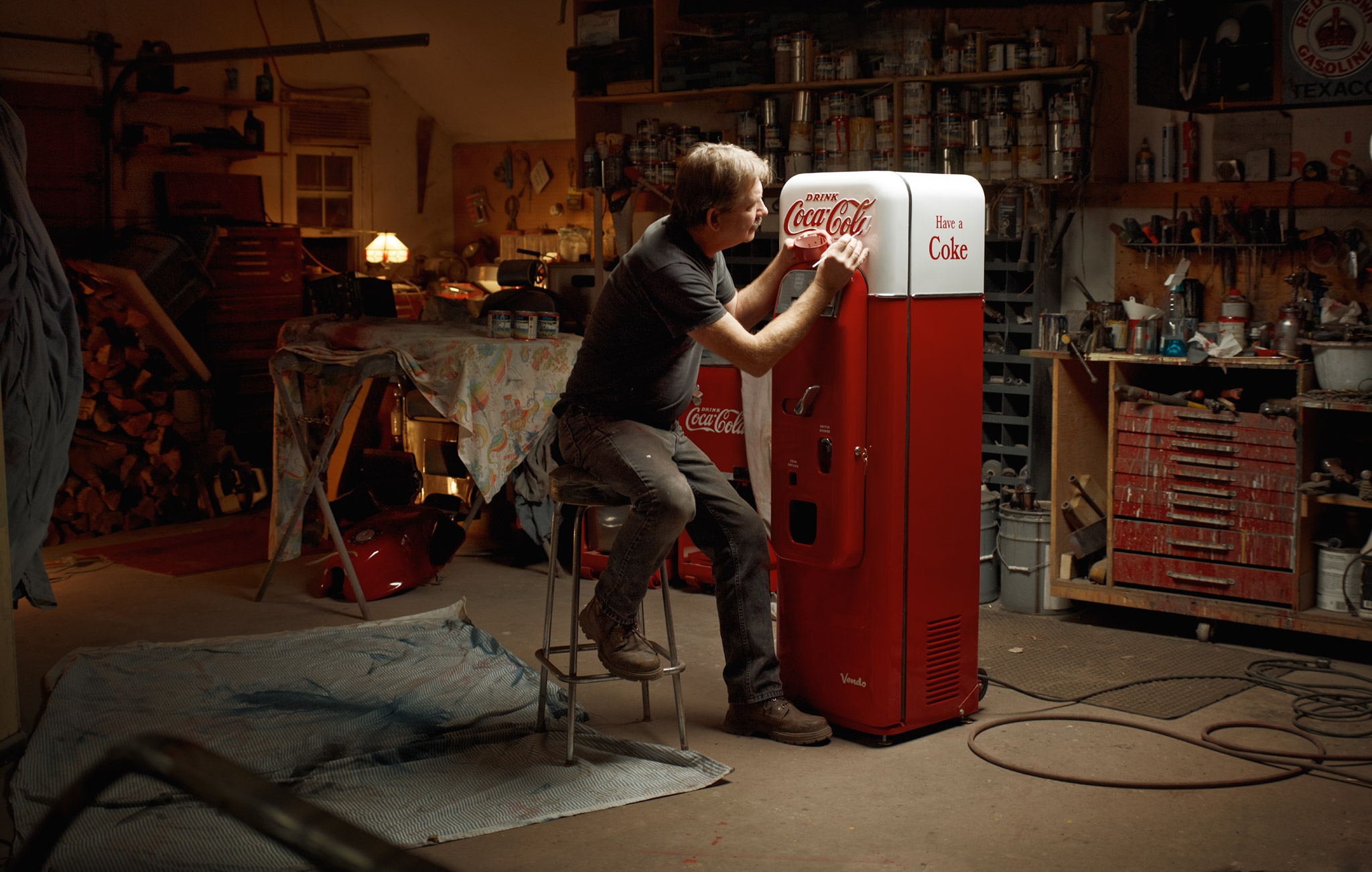
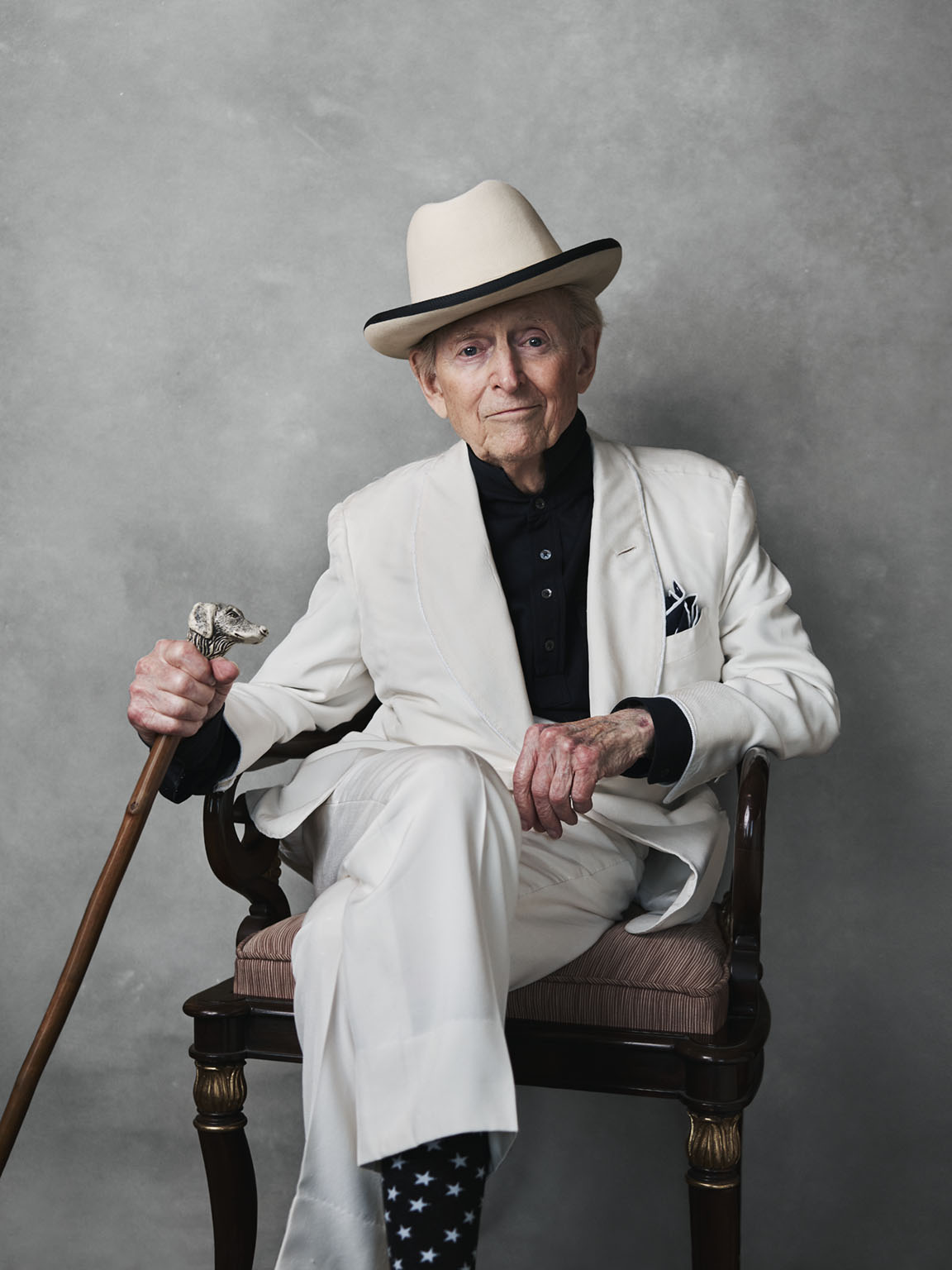
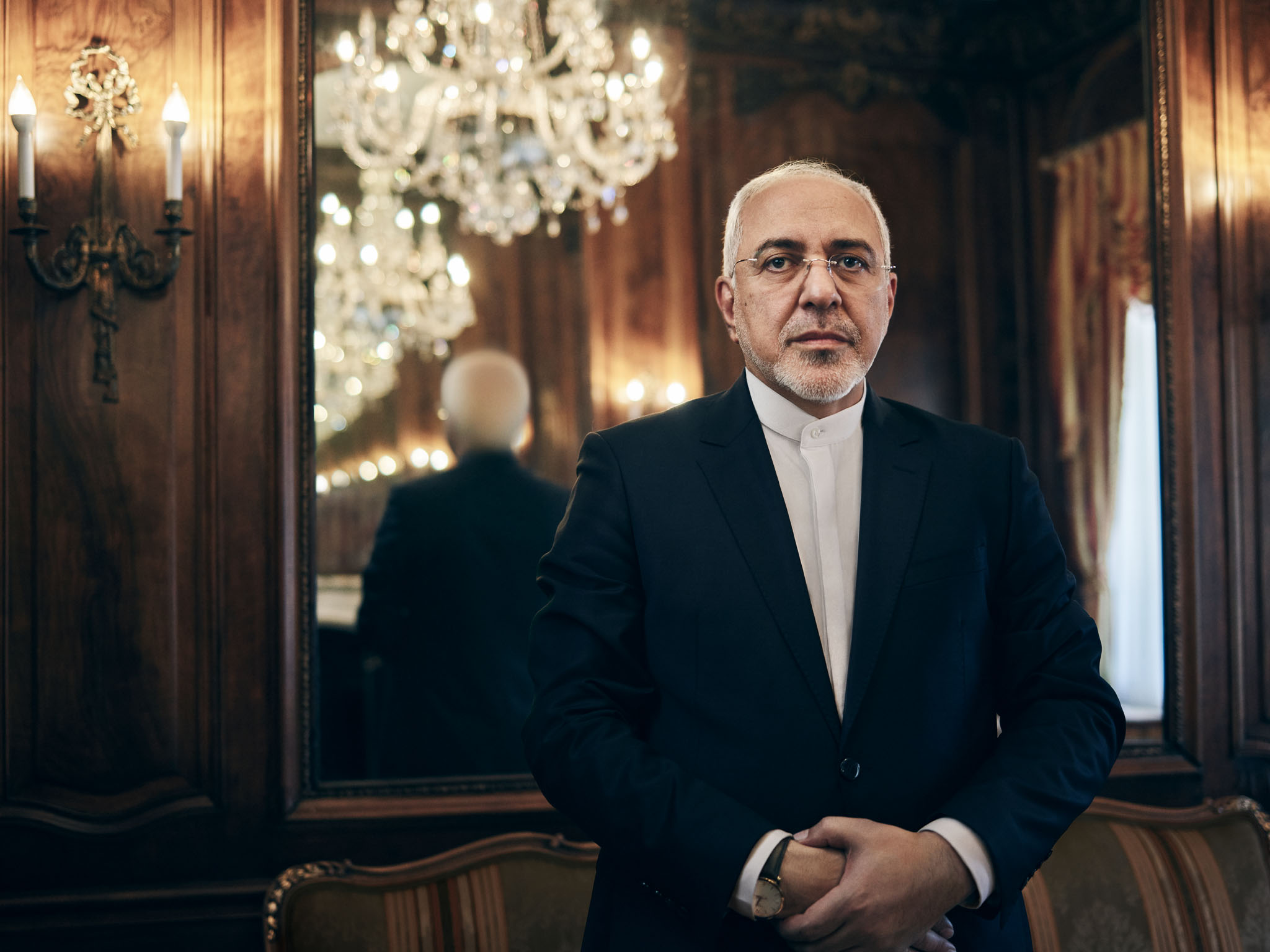
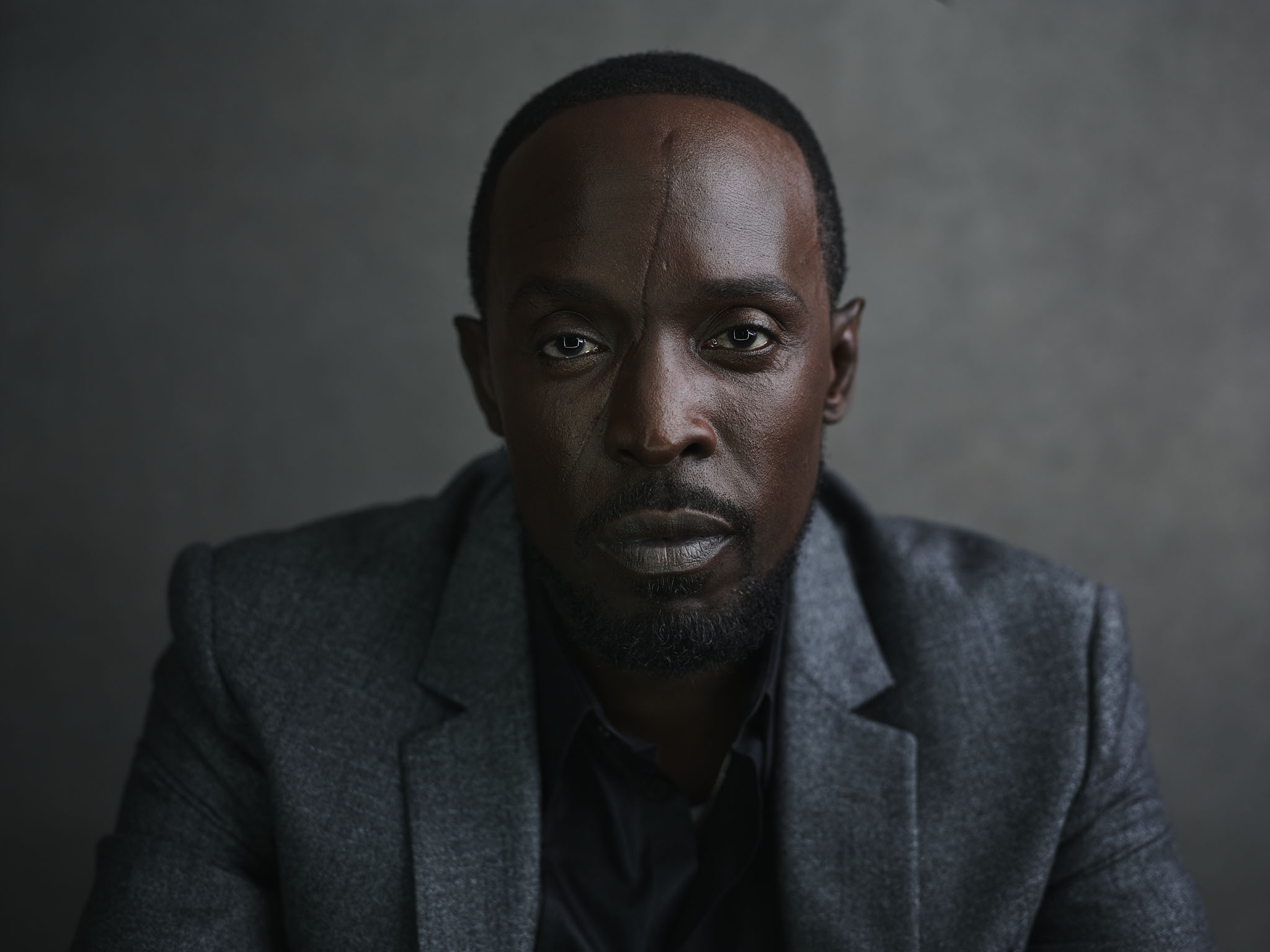
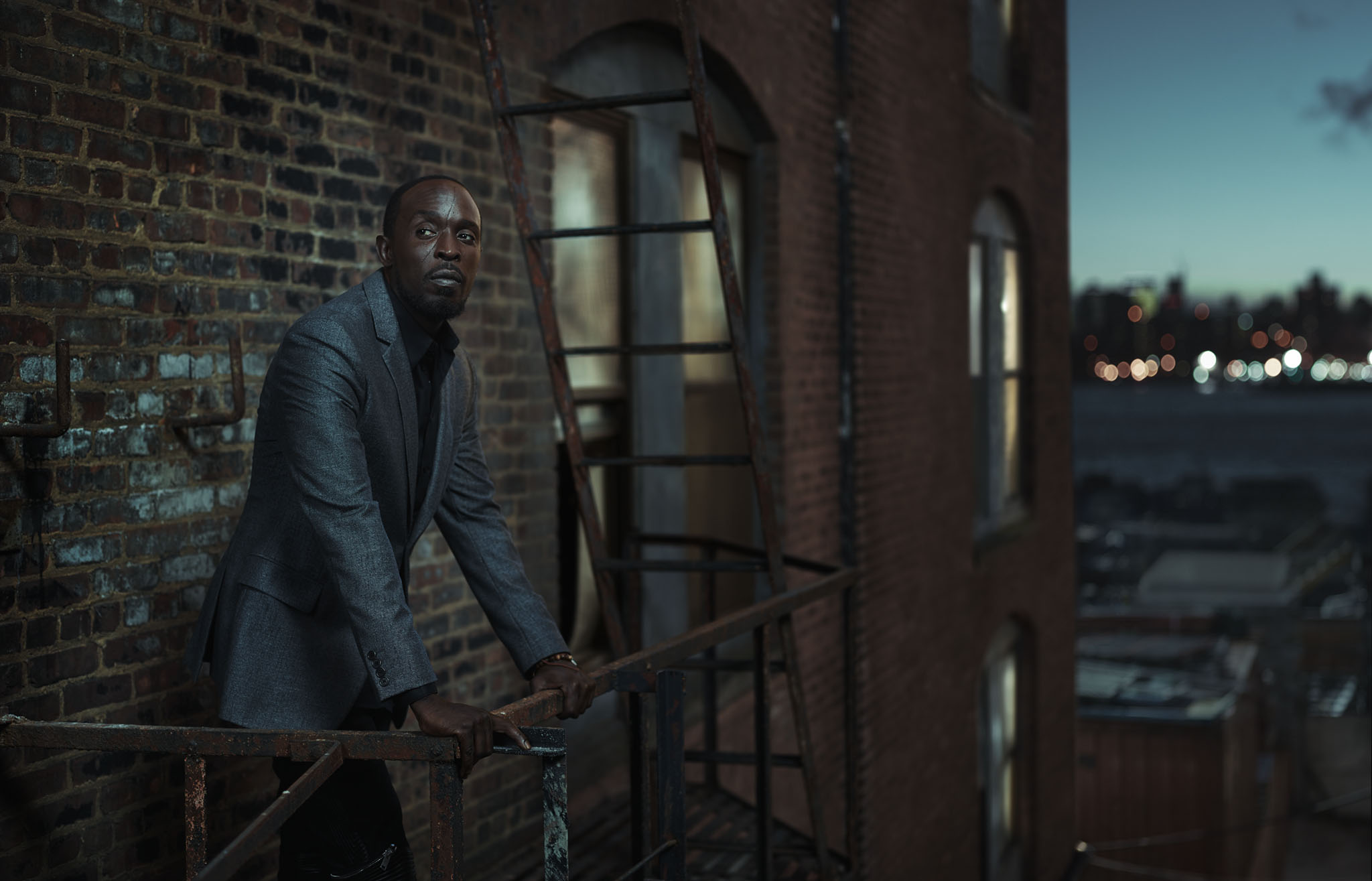
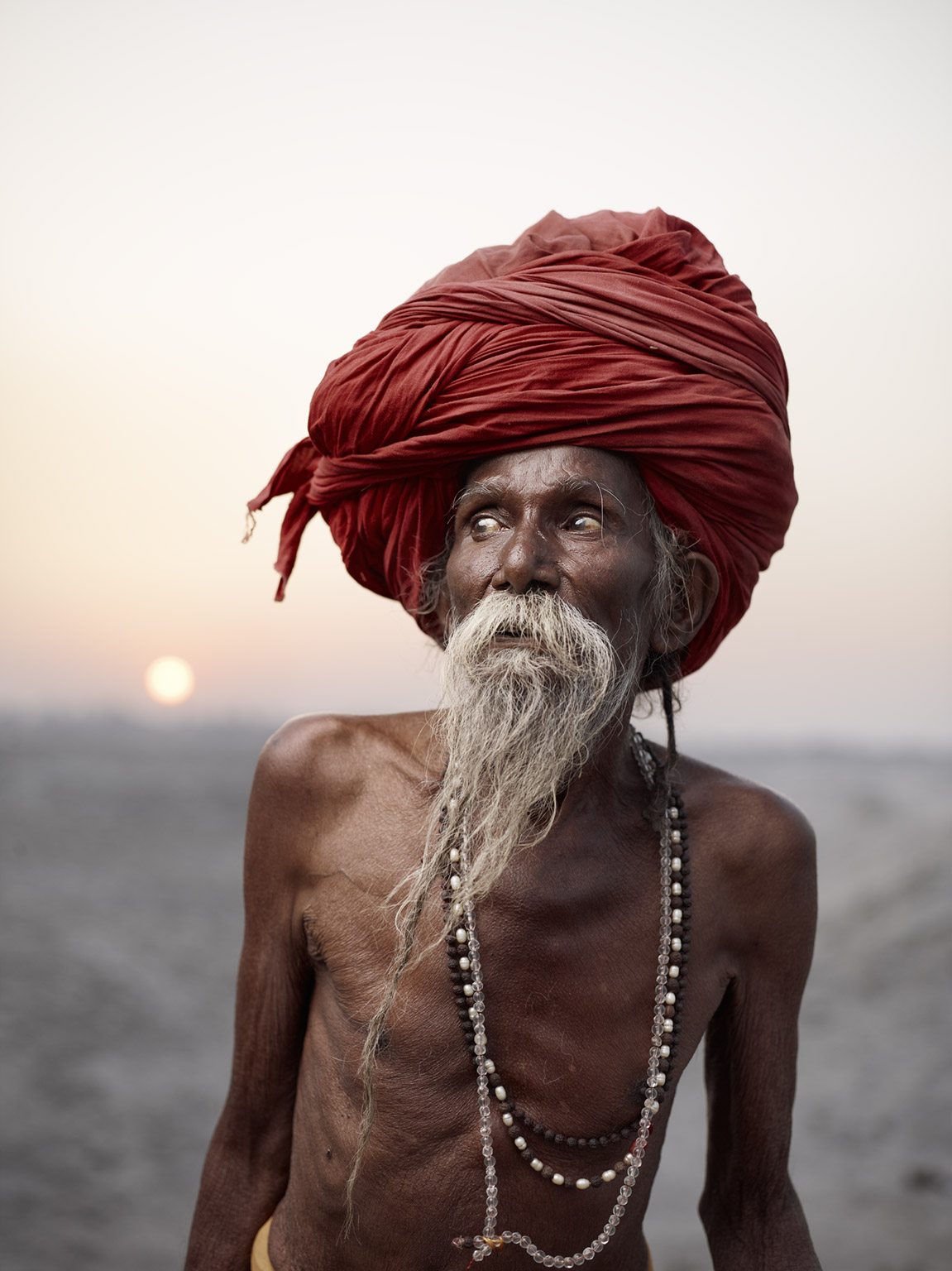
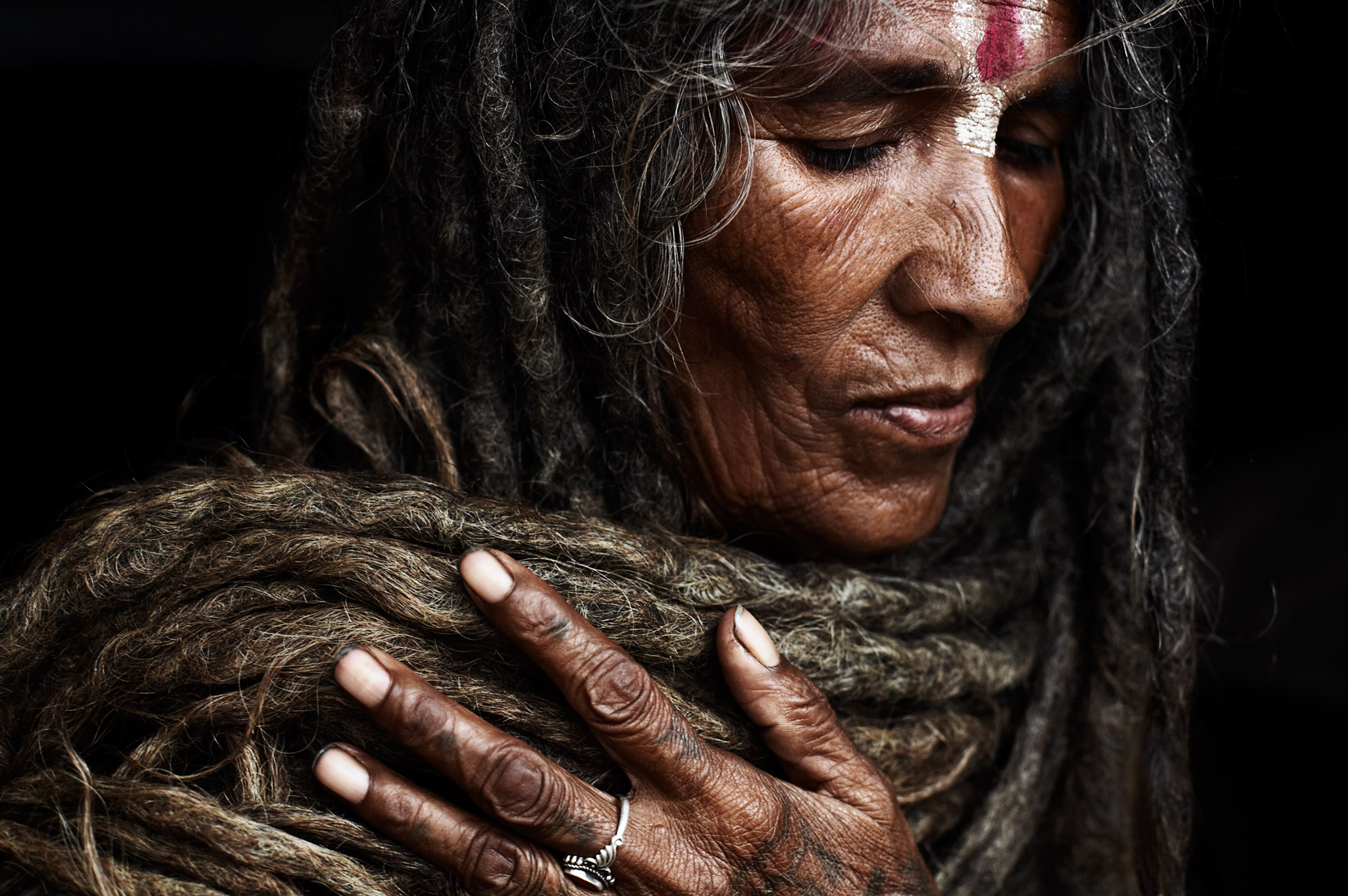
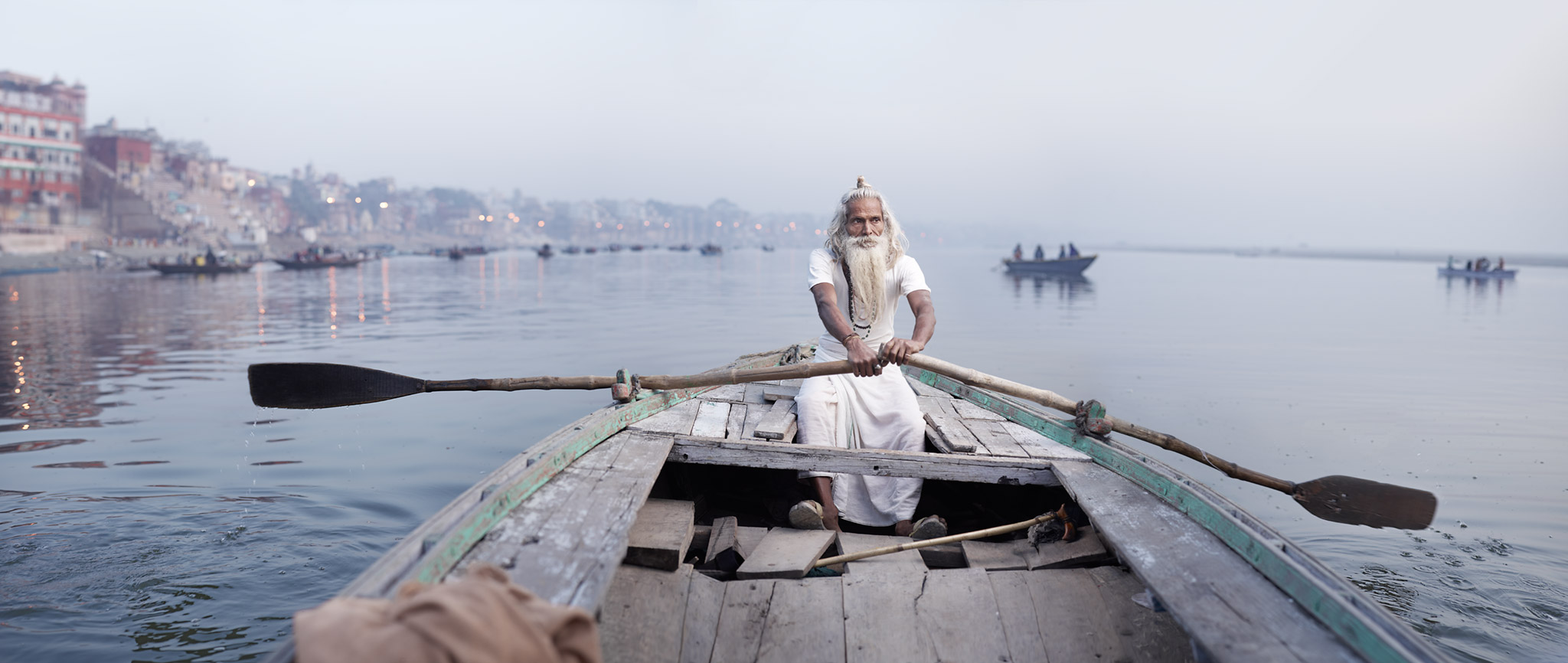
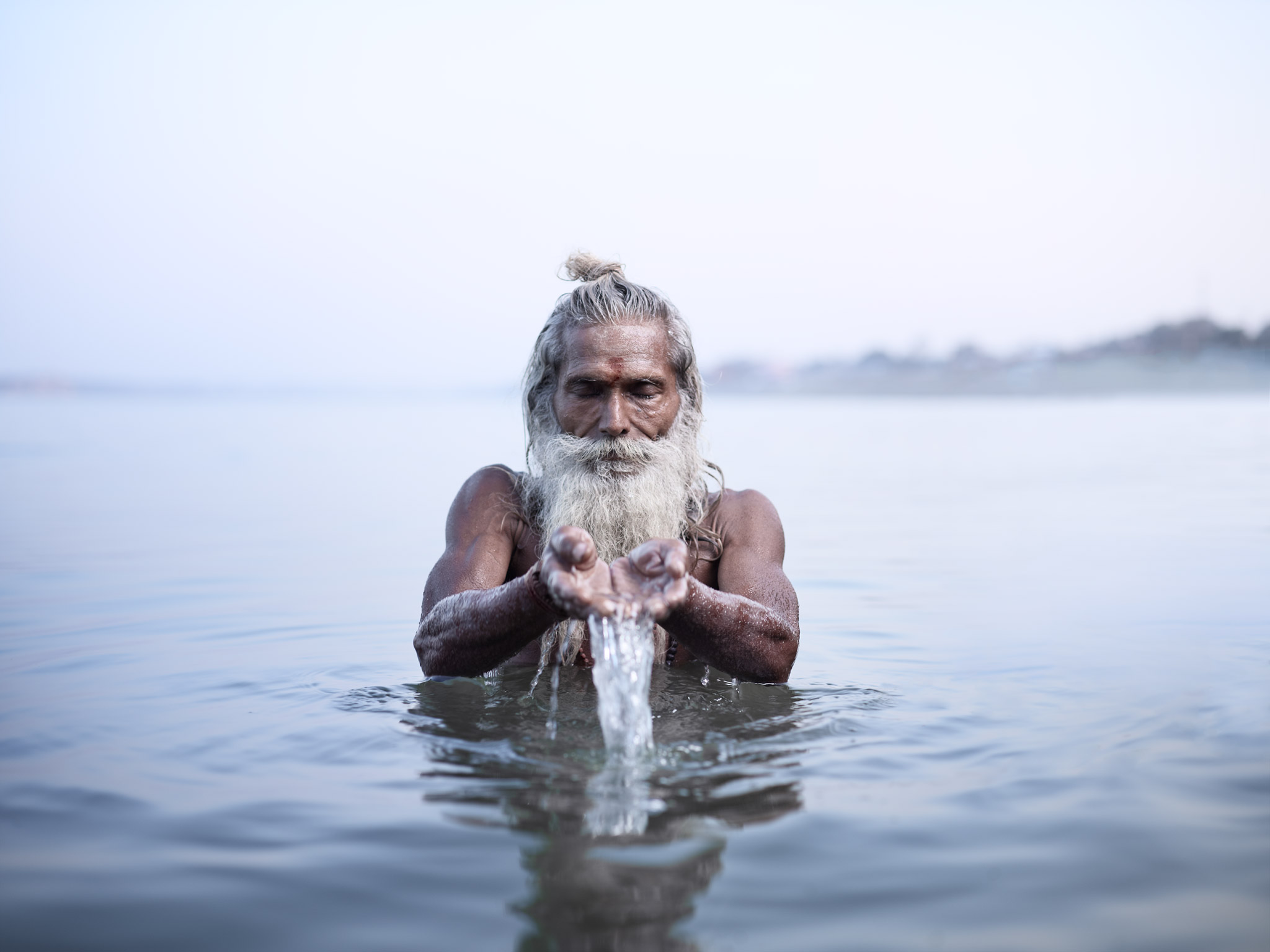
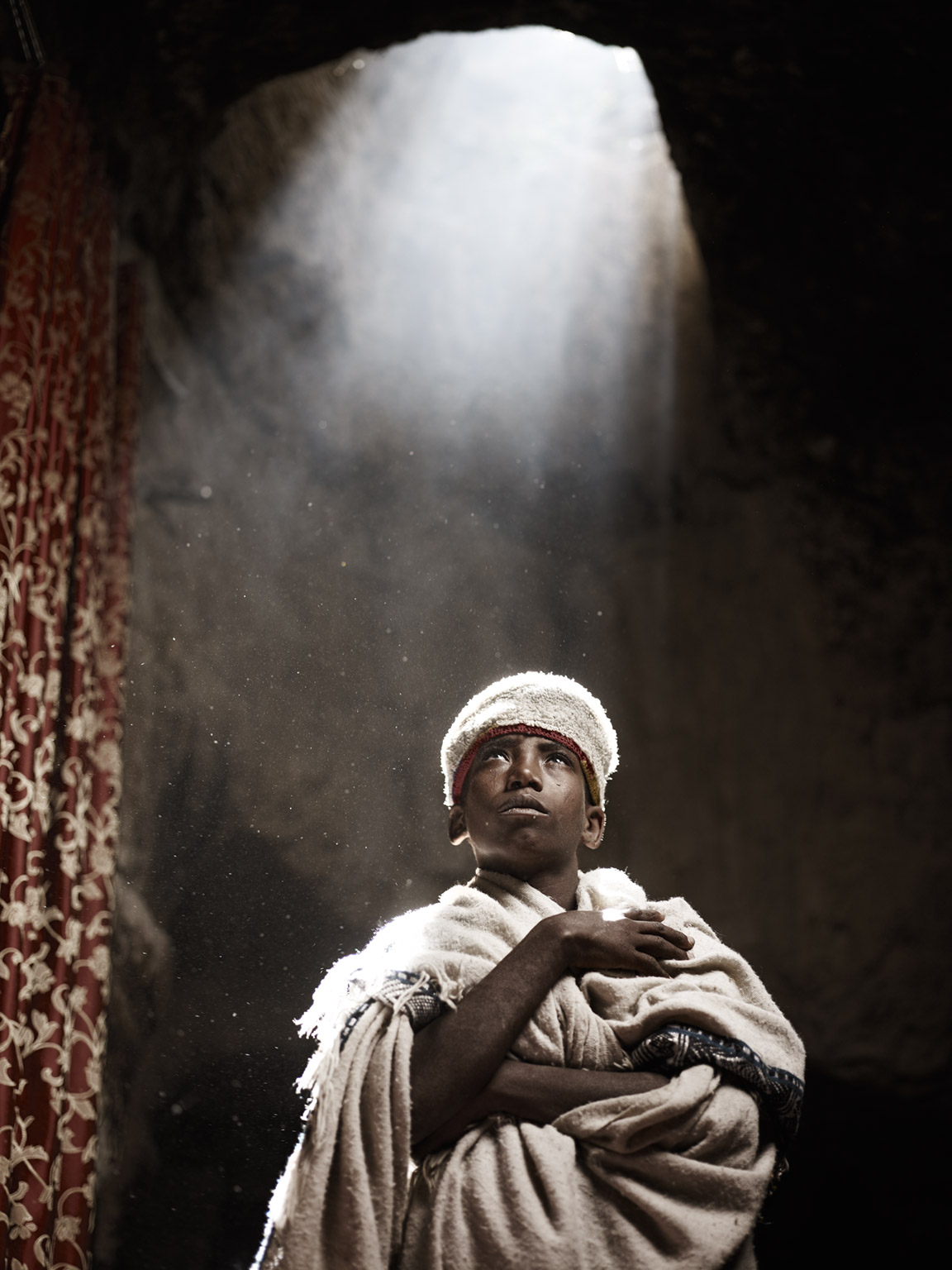
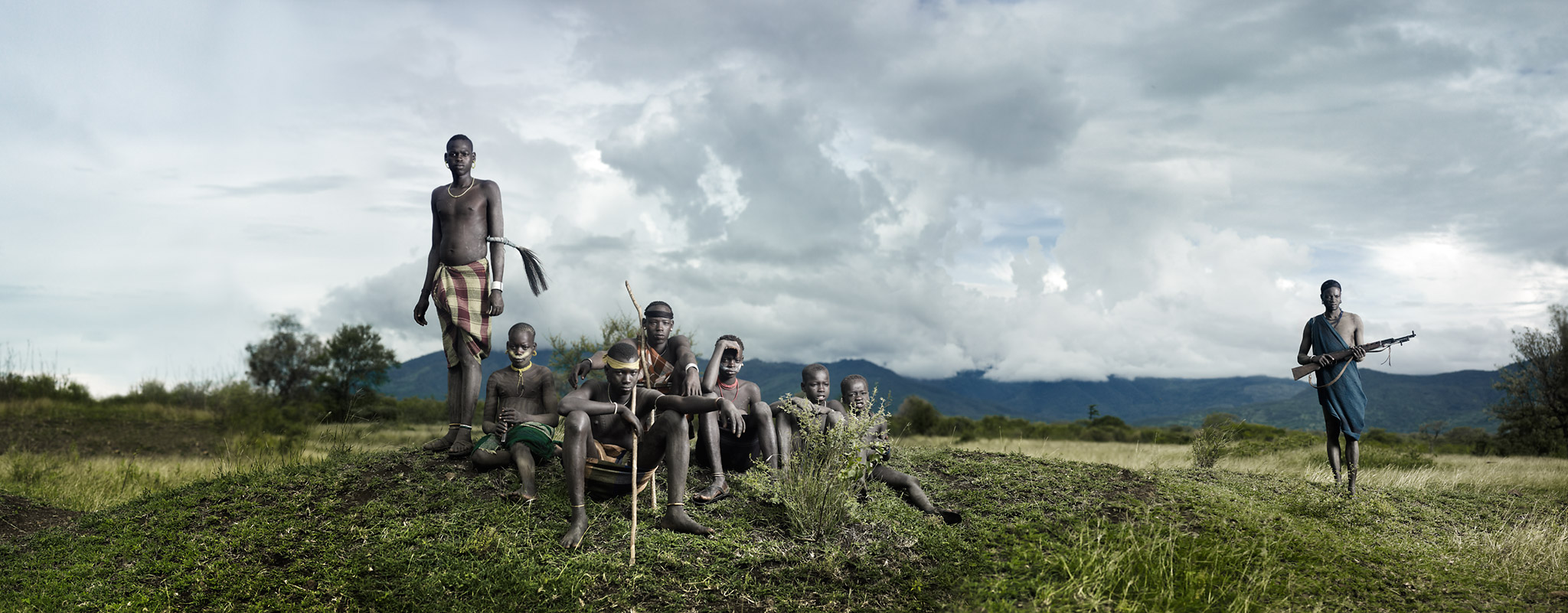
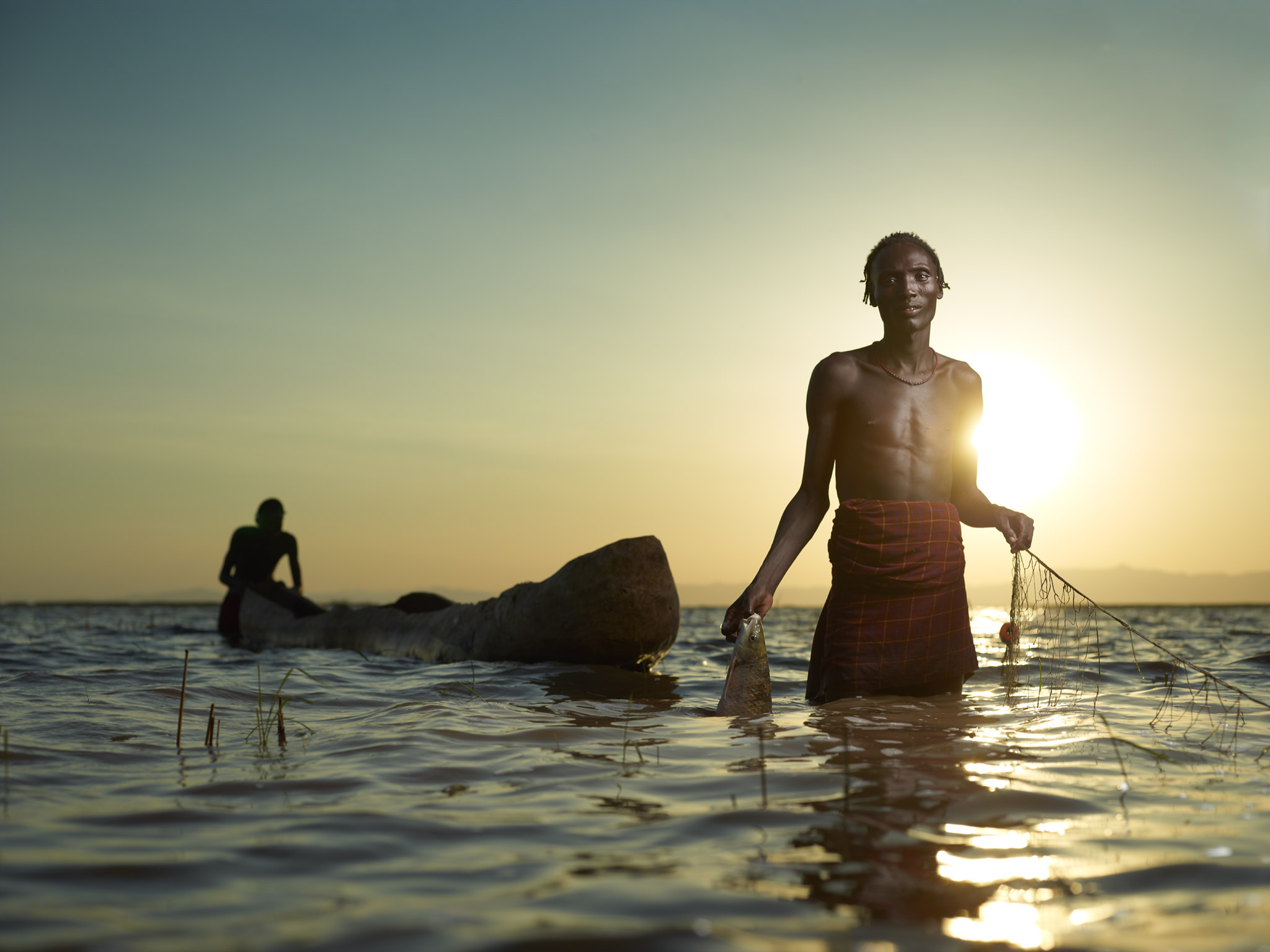
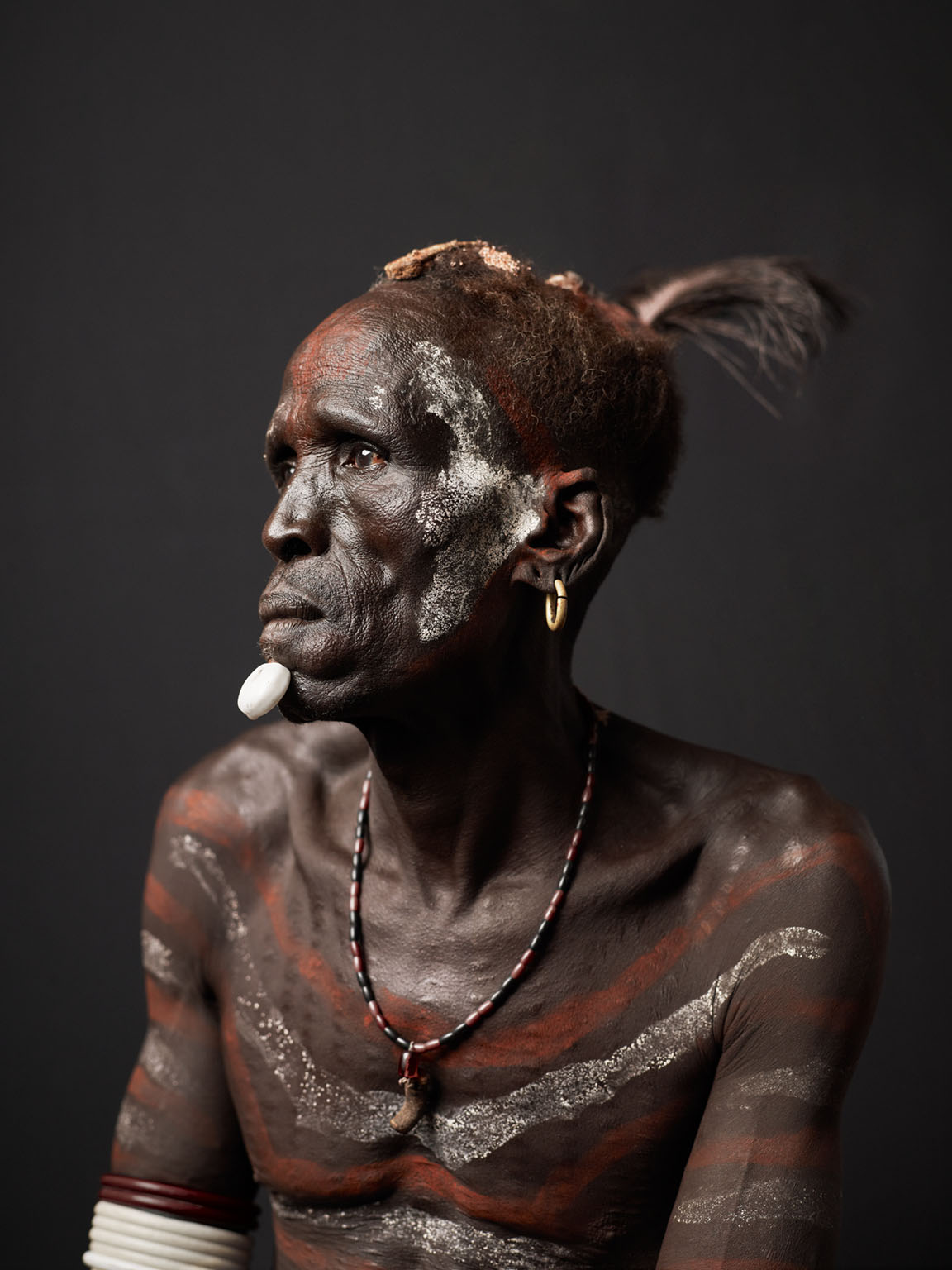
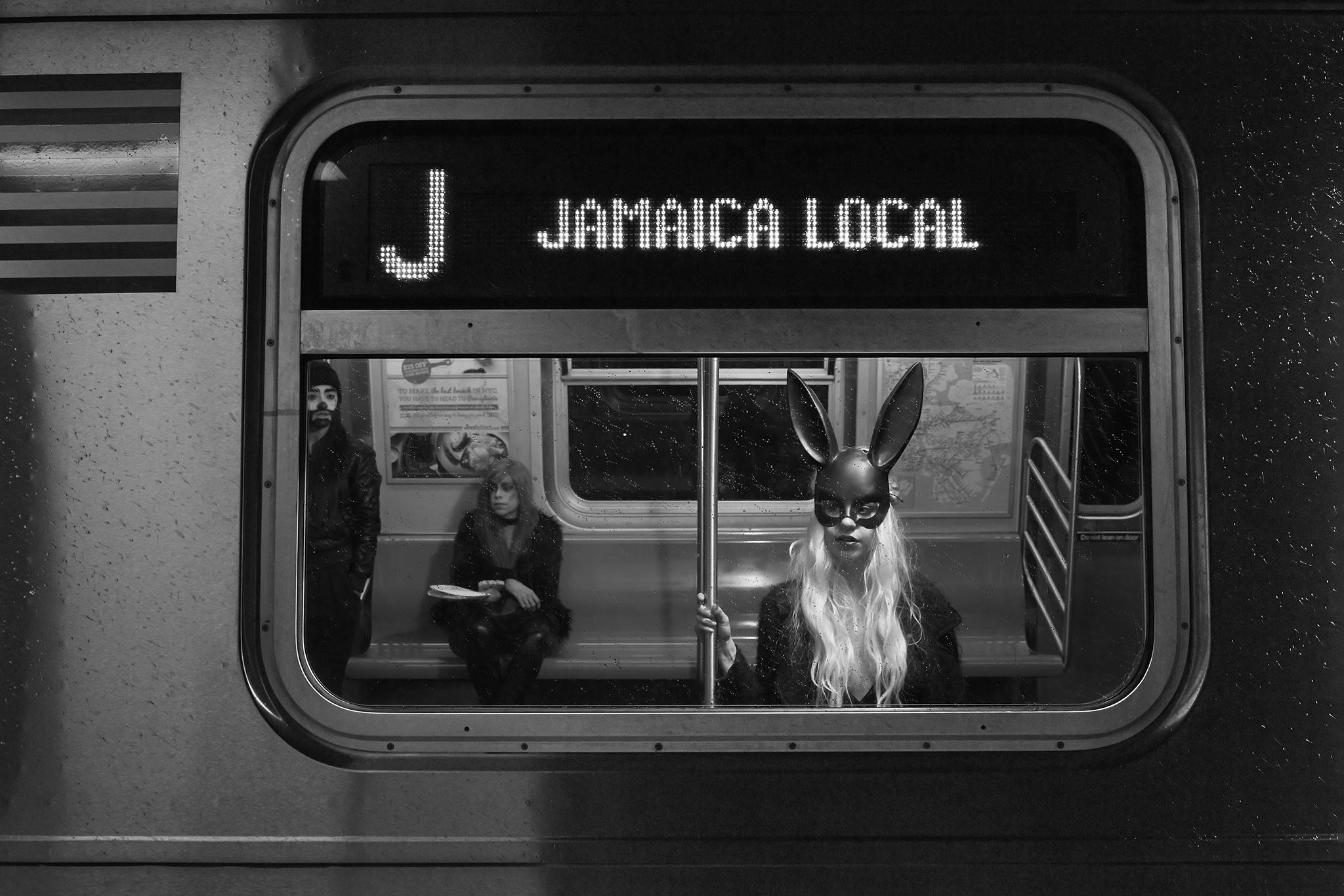
I’d say almost 100% of my photography involves people. I photograph a lot of environmental portraits all around the world.
If you go out and take portraits of people, you never know what you might end up doing with them later. Perhaps you want to use it online, sell it for an advertisement or submit it to a stock agency.
You can’t just go out, take photographs of people, and say “I’m going to do whatever I want with this.” It’s actually against the law to use someone’s likeness without their permission for certain things. Personally, when putting all my time and effort into a photo series, I believe in a very simple rule- CYA (“Cover Your Ass”). This is to protect my investment of time. Why even make a photo series, if you’re not sure that you have full clearance to use the photos?
The best and safest way to make sure you’re always covered is an official model release.
It allows both the subject and photographer to become aware of what the pictures could potentially be used for. When your subject signs a model release, they are giving their approval for the terms specified in the contract. These forms are usually necessary when shooting & submitting editorial, advertising or stock photography featuring people, but there is also a large gray area for other things- such as photojournalism or street photography. If there’s gray area, I don’t want to go there… I’d rather have the form just in case to CMA. Personally, I can’t stand walking around with a bunch of sheets of paper and a pen. It’s just not something I’d normally remember to bring with me. But I know that most times I have my Phone.
Let me go ahead and say that I am not the first one to invent a model release app. There are plenty out there, actually. However, one day I got incredibly frustrated with a model release app I was trying to use on my iPhone. There were way too many screens, and clicking through the whole thing either bored or scared away my photography subjects.
I wanted to create a better solution. At the time I didn’t really know anything at all about iPhone app programming, but I really wanted to make some kind of model release app that I could actually use myself on shoots and trips. I got together with some professional friends who are way better at app programming and design than me, and after a lot of back and forth over a few months we managed to finish Release Me. For all the features and outline of the app, check out the video at the top of this post.

By then, we had put way too much effort into it to just keep it for myself and my own projects, so voila… Here you have it- Release Me, the model release app, which is available now on the Apple App store for iPhone, iPad and iPod Touch.
We then took it a step further. If we can make this app, surely we can make all kinds of apps. We decided to form our own LLC company, All-Nighters, and use our skills to specialize in mobile application development. As you can imagine, I don’t have time to do much programming in between photo shoots. Instead, I oversee all things creative and to do with business, and let the other guys do the nerdy/smart stuff. We do everything ourselves in-house, and keep the work between professional friends. If you are interested in working with us, you can drop our head developer Tom a line at: tom@the-all-nighters.com

This is our first app release, and I consider it quite simple to the next app we are working on at the moment. Although we are all very proud of the functionality of Release Me, it seems like more of a test than something ground breaking… To not give anything away about our next app, I will say this- we are really excited about the future of All-Nighters.
In conclusion, here are some fictional examples of when you may or may not need a model release. Different situations can require different approaches. But I’m not a lawyer, so the best advice that I can give is to always consult with an attorney who specializes in entertainment.
———————————————–
Example 1: Friendly Photography
Situation: You’re a photographer, whether professional or amateur, and you’ve photographed family and friends. You might have just taken these photographs for fun or at a celebration, and you post (publish!) some of the photographs on your website.
Model Release Status: No
Why? Two reasons… First, most people like to share their personal photographs with family & friends on the internet. We all do this all of the time on Facebook, Flickr, and our own websites. It’s a common practice, but also one where you still have to be careful. (Sorry, but we do live in a litigious world.) If someone complains about a photograph in which they appear, then just remove the photograph and show them that the photograph is gone from the gallery. Some people are shy, and in other situations you may have posted a photograph that the subject doesn’t find flattering, so just be careful and remove the photograph. Could your family member or friend take you to court over this and prevail? Sure, but it’s likely that all will be fine if you just remove the offending photograph. (Unless, though, your family member or friend has a big ego and is rich and famous!) The second reason for not getting a signed model release is that if you pursue the model release, then your family and friends might view you and your camera with suspicion, and you’ll put a damper on the fun at the event, future events, and your relationships with these special people. The bottom line is to be respectful.
———————————————–
Example 2: Kids
Situation: You take a photograph of a friend’s child in a friendly situation (such as a kid’s soccer game) and post it on the internet.
Model Release Status: Uh… Be careful.
Why? Parents are usually understandably protective of their children. Here are two options for such a situation. First, if you must post the child’s photograph on the “open” internet, then you’ll want to have a model release signed by the parent or guardian, because the child is a minor and can’t sign for themselves. Second option, if you’re posting this child’s photograph mostly for family and friends, then find a way to post the photograph in a more secure or secretive manner, and make certain that the parents know what you’re doing beforehand. You might do this by posting the photograph to a secure gallery (where a password is needed to see the gallery) or to a non-public page on your website (a page on your website that’s not linked to anything else and where someone has to be told that the web page is present/you have to send them the specific hyperlink), so that this page is less likely to be found. Again, if the parent objects, just take down the photographs and apologize.
———————————————–
Example 3: Model Photography
Situation: You take some extremely tasteless photographs of a model (paid or unpaid) in a neon green bikini and put them on your website.
Model Release Status: Cover your ass, get a release!
Why? You are publishing the photographs online. Perhaps later this model is trying to get a normal job and this image resurfaces, tarnishing her reputation. Also, how do you know she didn’t lie about her age (a person needs to be at least 18 years old to be a “consenting adult” in most places).
———————————————–
Example 4: Wedding Photographer
Situation: You’re a portrait or wedding photographer and you’re paid to take a nice photo of the bride and groom, and then post the portrait on your website.
Model Release Status: Not always necessary, but just in case… get a release.
Why? First, you’re publishing the photograph to promote your portrait photography business. You were paid to take the photograph for a portrait, not for “advertising.” Second, let’s assume that you don’t get the model release, you post the photograph, and then the client complains. Is it worth it to your business reputation and the possibility of lost business? No. It’s easier to get the model release and then post the portrait, or to not post the portrait if you don’t have the release.
———————————————–
Example 5: Commercial Photography
Situation: You take a photograph of a friend in front of their parent’s home and then sell it to Starbucks for an ad.
Model Release Status: Yes, you need one.
Why? First, your friend is promoting the brand (Starbucks) here, and Starbucks won’t even consider publishing the photograph without a signed model release. You don’t have to have the model release signed at the time that the photograph is taken, but you’ll need to get it signed and delivered before Starbucks will consider paying you. So, if you think that a photograph has commercial appeal, nicely ask your friend for the model release before you think about shopping the photograph.
Regarding the property release, a person’s property has similar rights to privacy as does a person. In this case, I’d also ask my friend’s parents for a signed property release. And, again, Starbucks (or any business) won’t consider the photograph for their advertising purposes if you can’t present them with a signed property release.
———————————————–
Example 6: Fine Art Photography
Situation: You take a photograph of a person for use in your fine art portfolio. The subject may not know that you’ll use this for your portfolio.
Model Release Status: Not likely… but be respectful and cautious.
Why? The photograph is being taken for the creative, fine art purposes (free speech/expression), and is not intended for commercial purposes, even though it might be “published” on your website or someday in a gallery’s catalog.
However, if the person who’s posing for you considers themselves to be a model, then I’d get the signed model release. They should be used to signing a release and you want to CYA in case in the future they might feel harmed.
———————————————–
Example 7: Street Fine Art Photography
Situation: You take a candid photo of someone on the street. You then sell the image in a gallery.
Model Release Status: GRAY AREA
Why? There are lots of different and competing issues swirling around here. First, the photograph that you’re taking is not for commercial purposes. Yes, the photograph, the art may be “in commerce,” but that’s not (legally) the same as “for commercial purposes.” Second, we do not have an expectation of privacy when we’re in public places. Those are some of the legal issues here.
But, just because you might be legally “right” doesn’t mean that someone might won’t feel harmed and take you to court. This stranger can make your life very difficult, and force you to spend a lot of money to defend yourself in court, even if you’re legally “right,” and it may well take a lot of time, effort and money to prove that you’re legally right. It’s my personal opinion that one should not need a release in this situation, but it would be wise to get one anyway.
I’d encourage you to research the case of Philip-Lorca diCorcia VS Erno Nussenzweig.
———————————————–
Yes, this whole issue of model (and property) releases can be confusing. Just make to make it simple… When in doubt, get that release!
JL