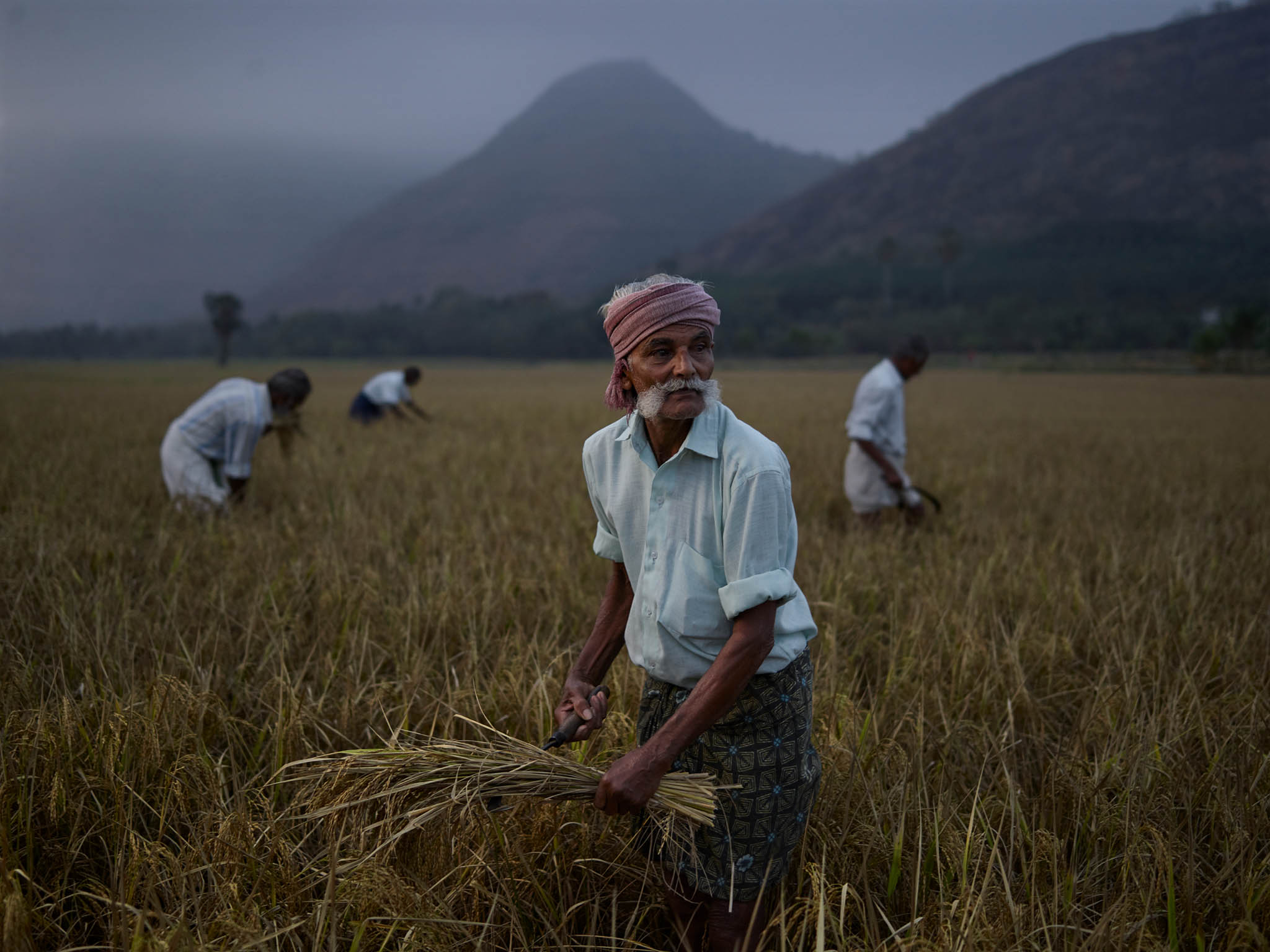
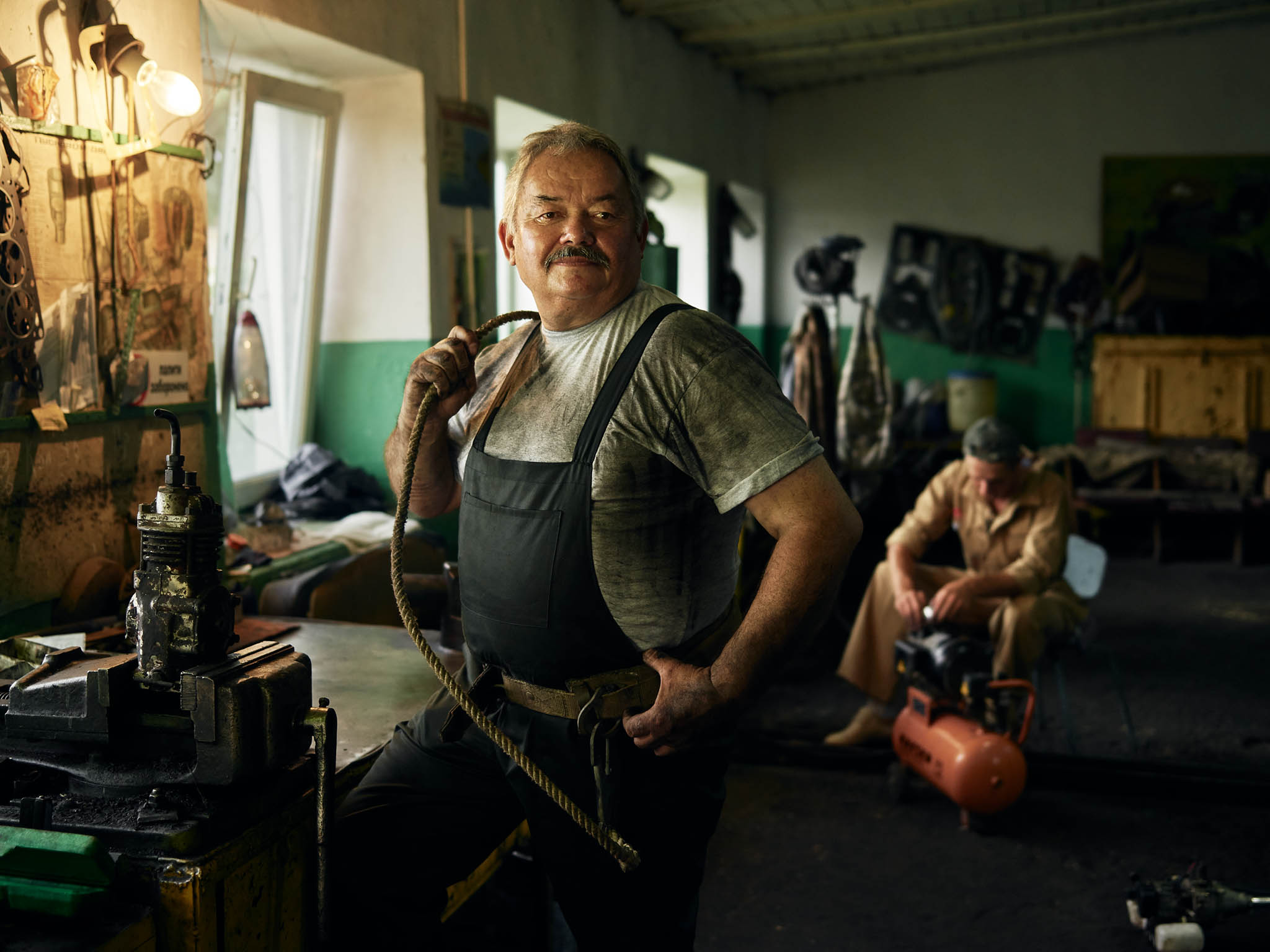
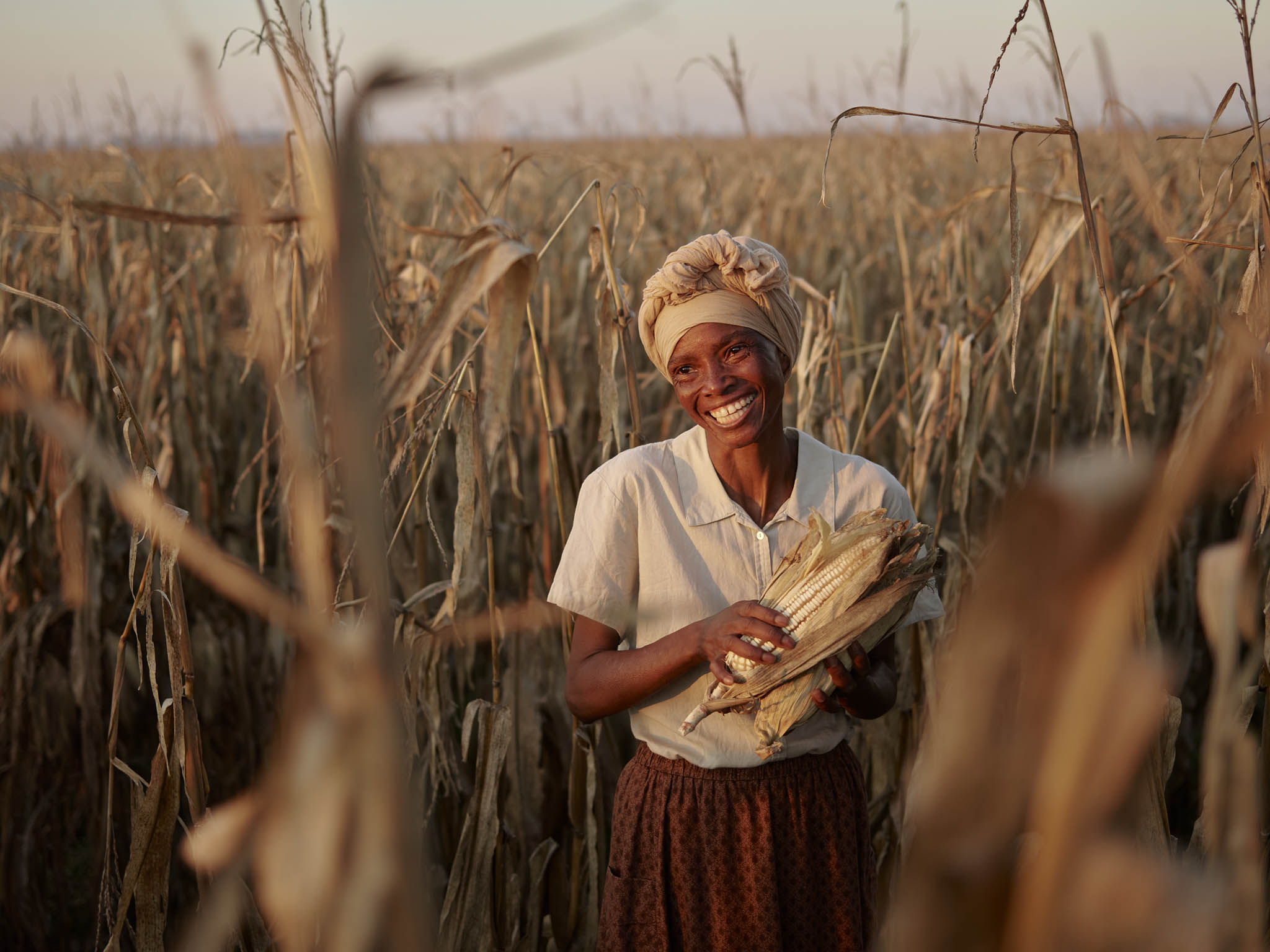
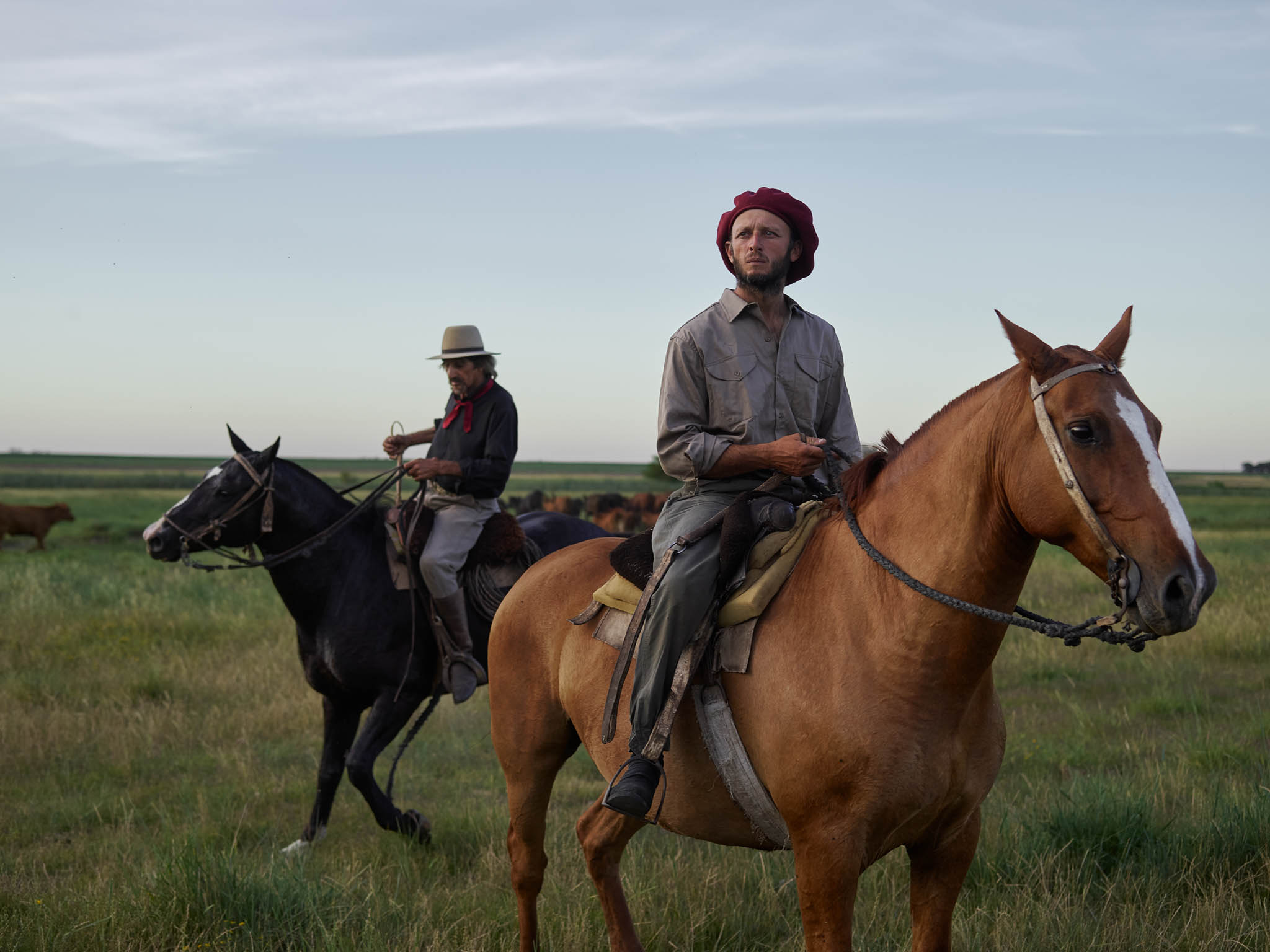
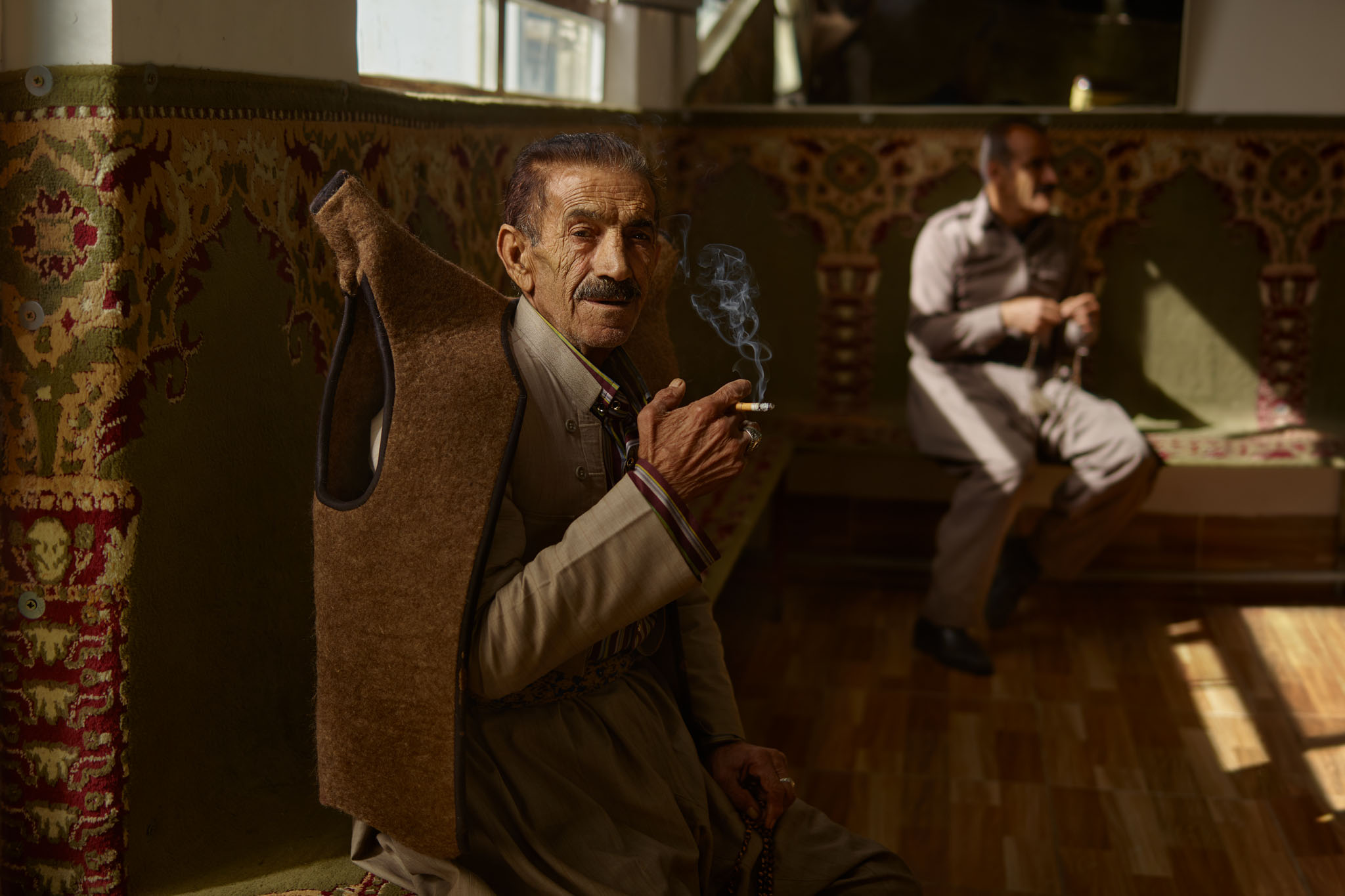
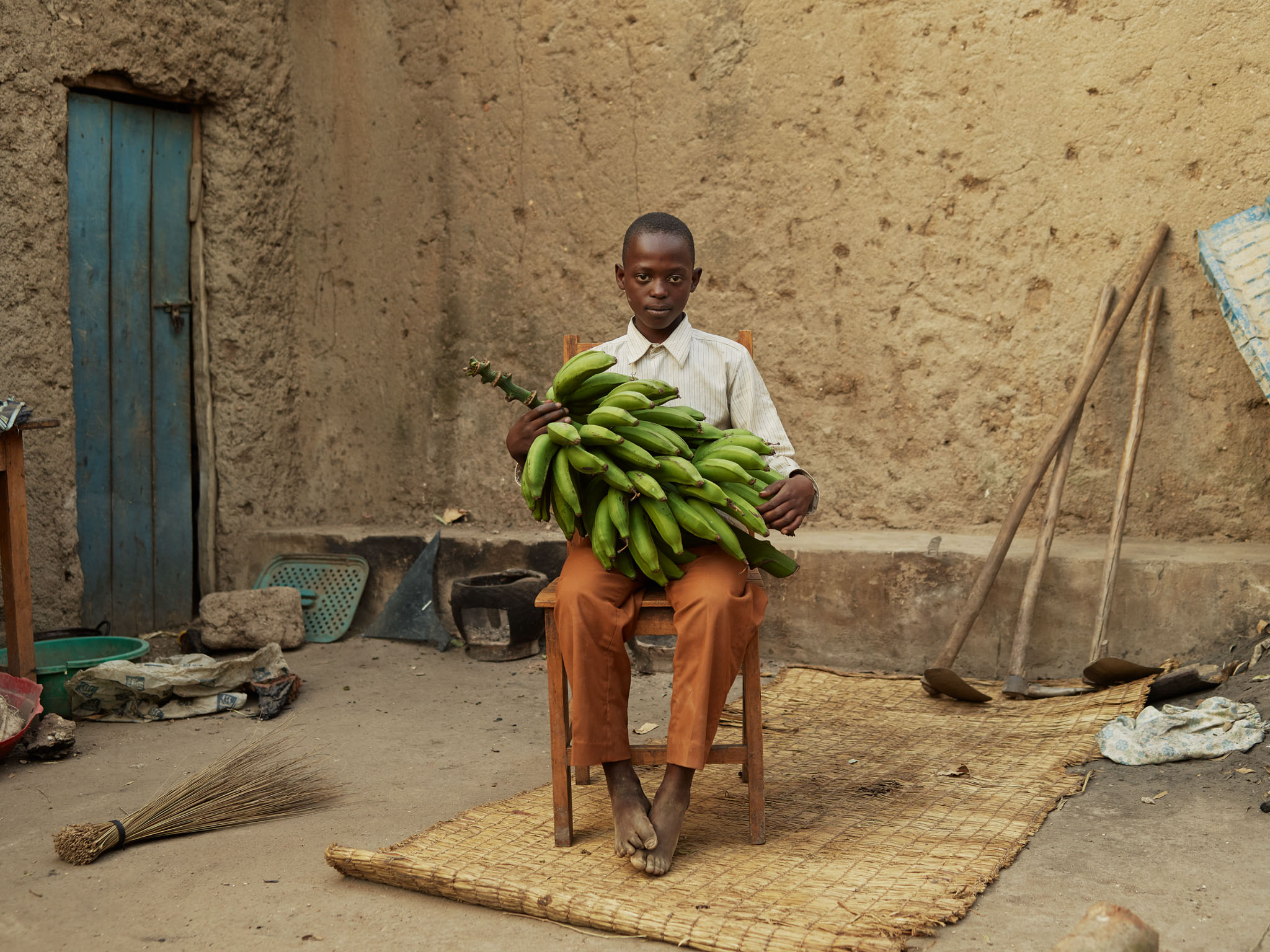
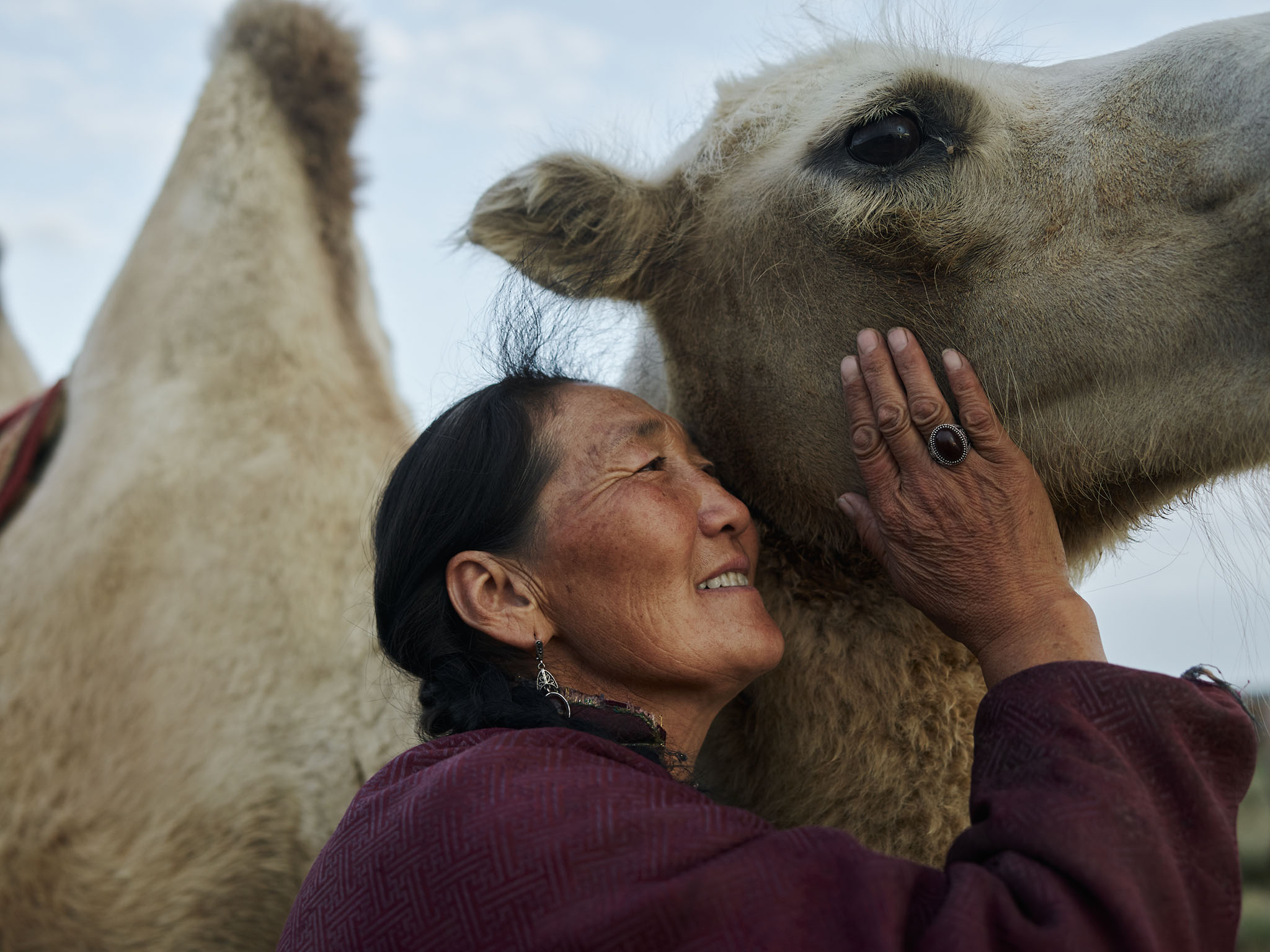
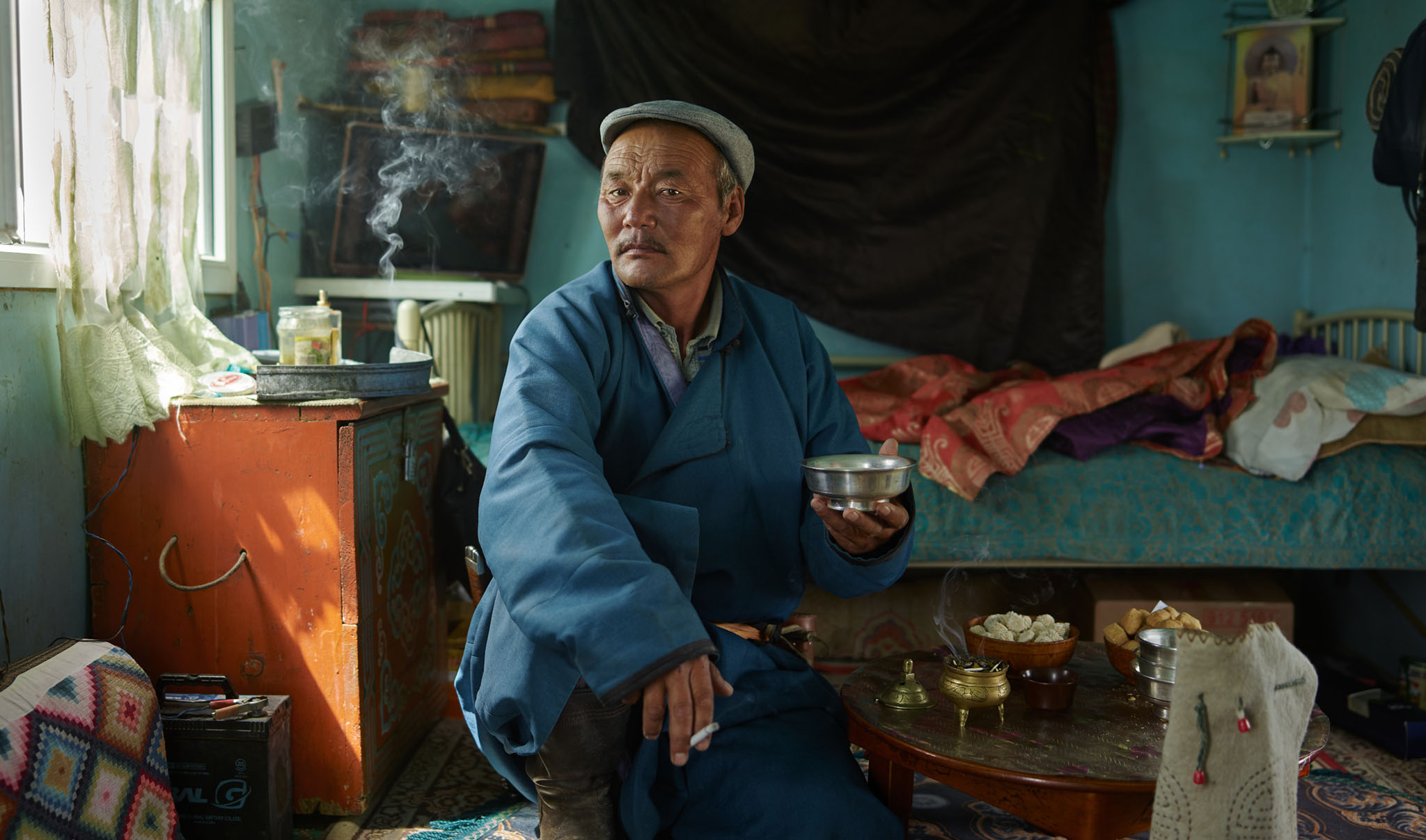
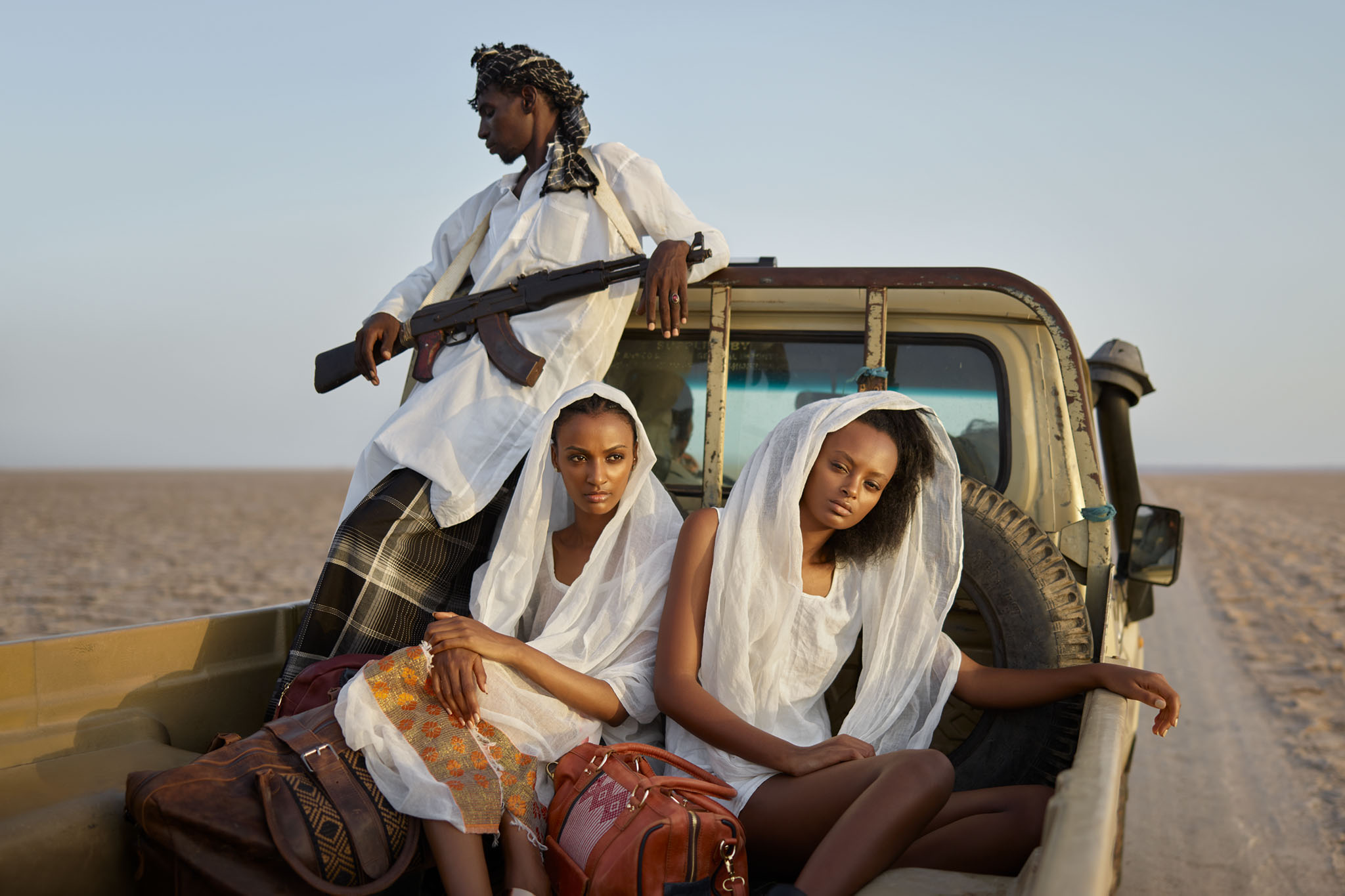
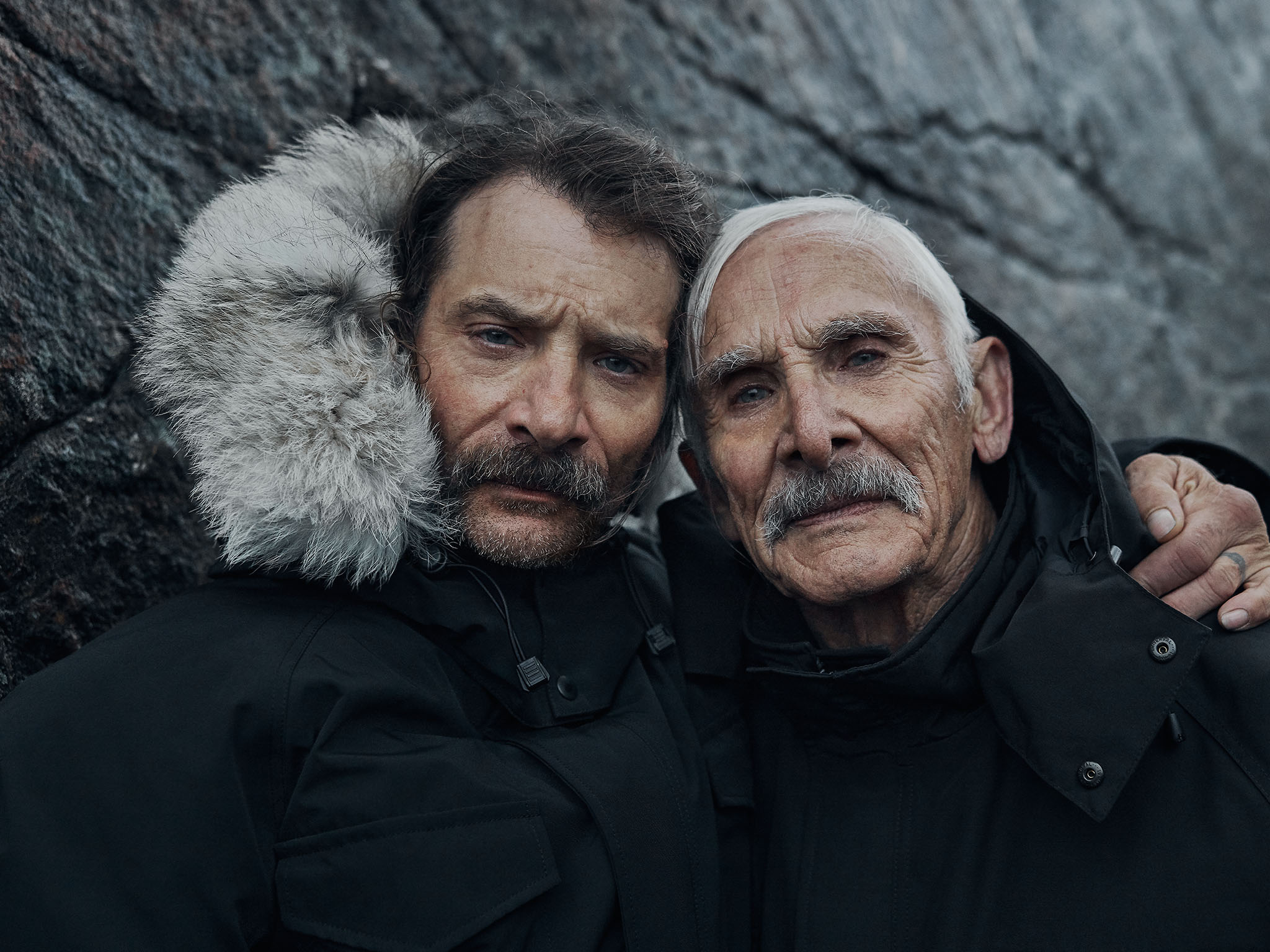
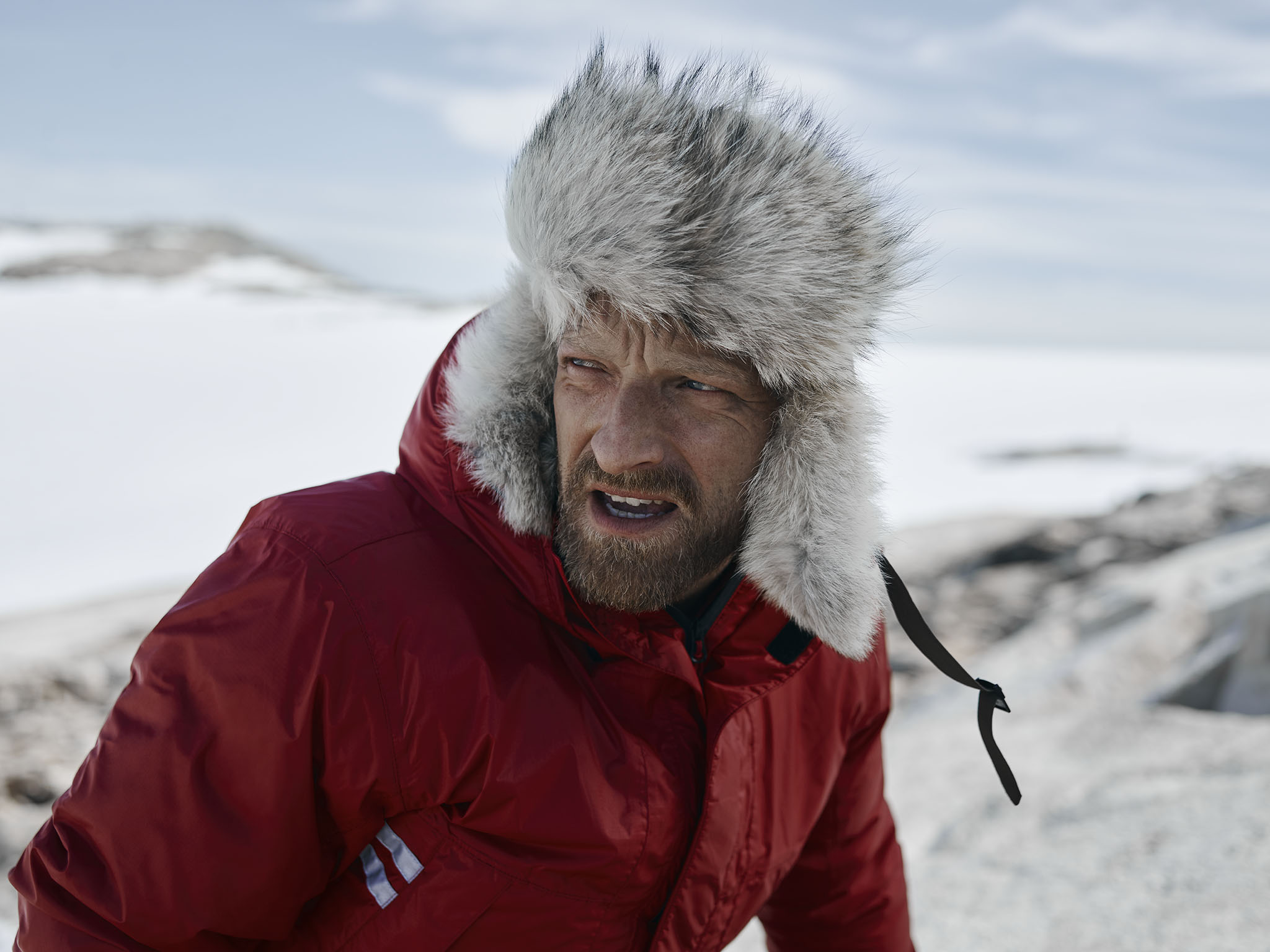
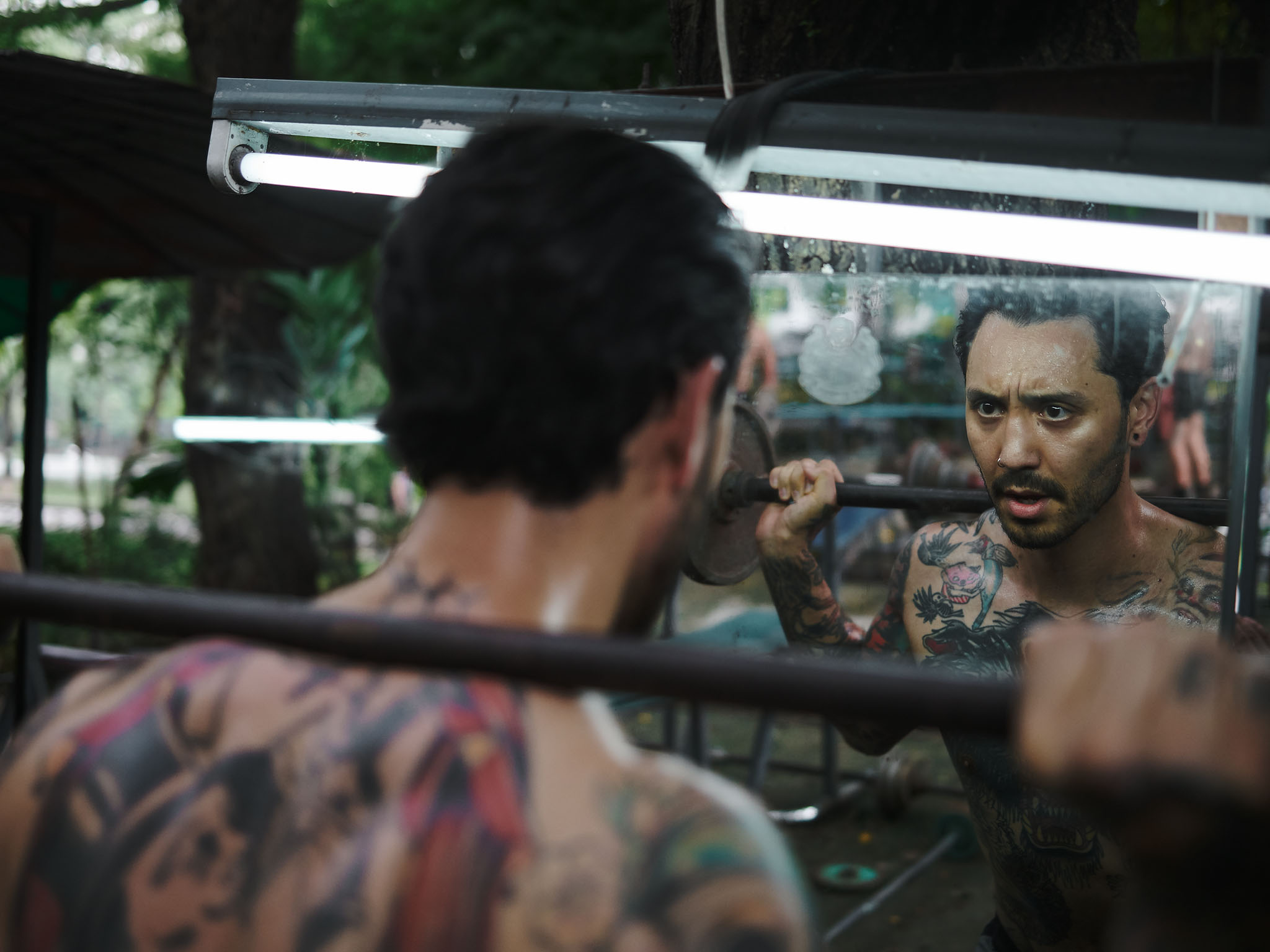
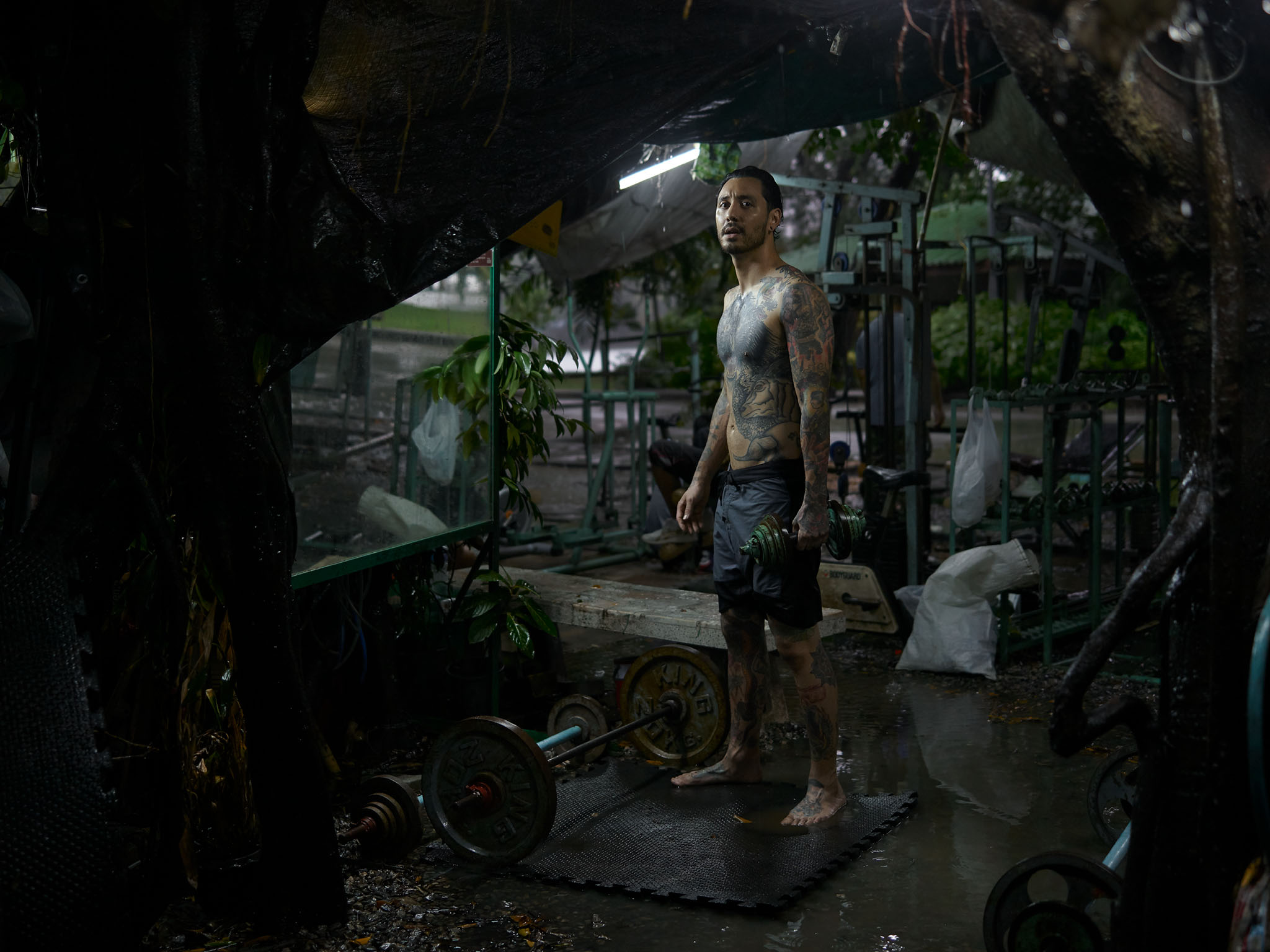
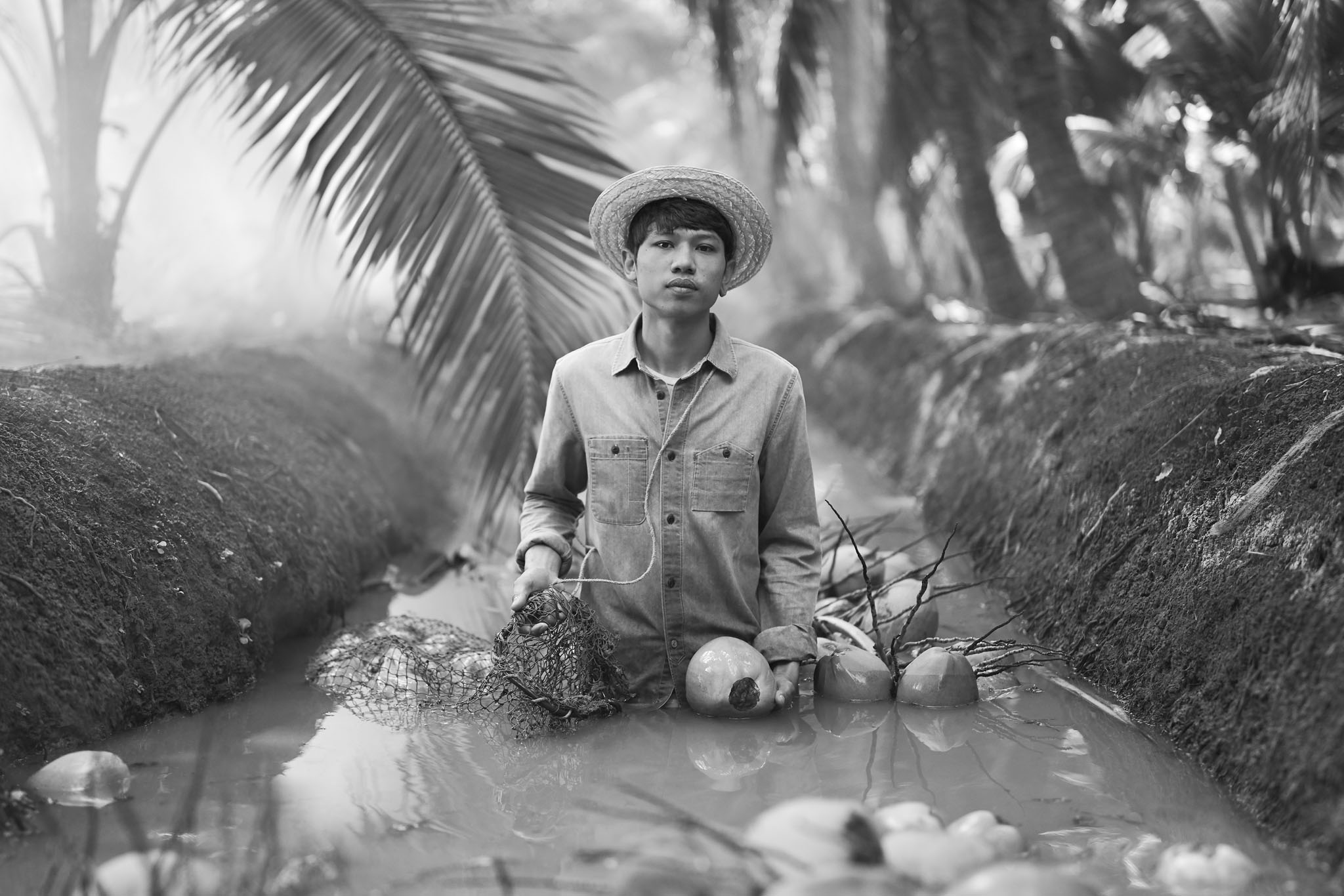
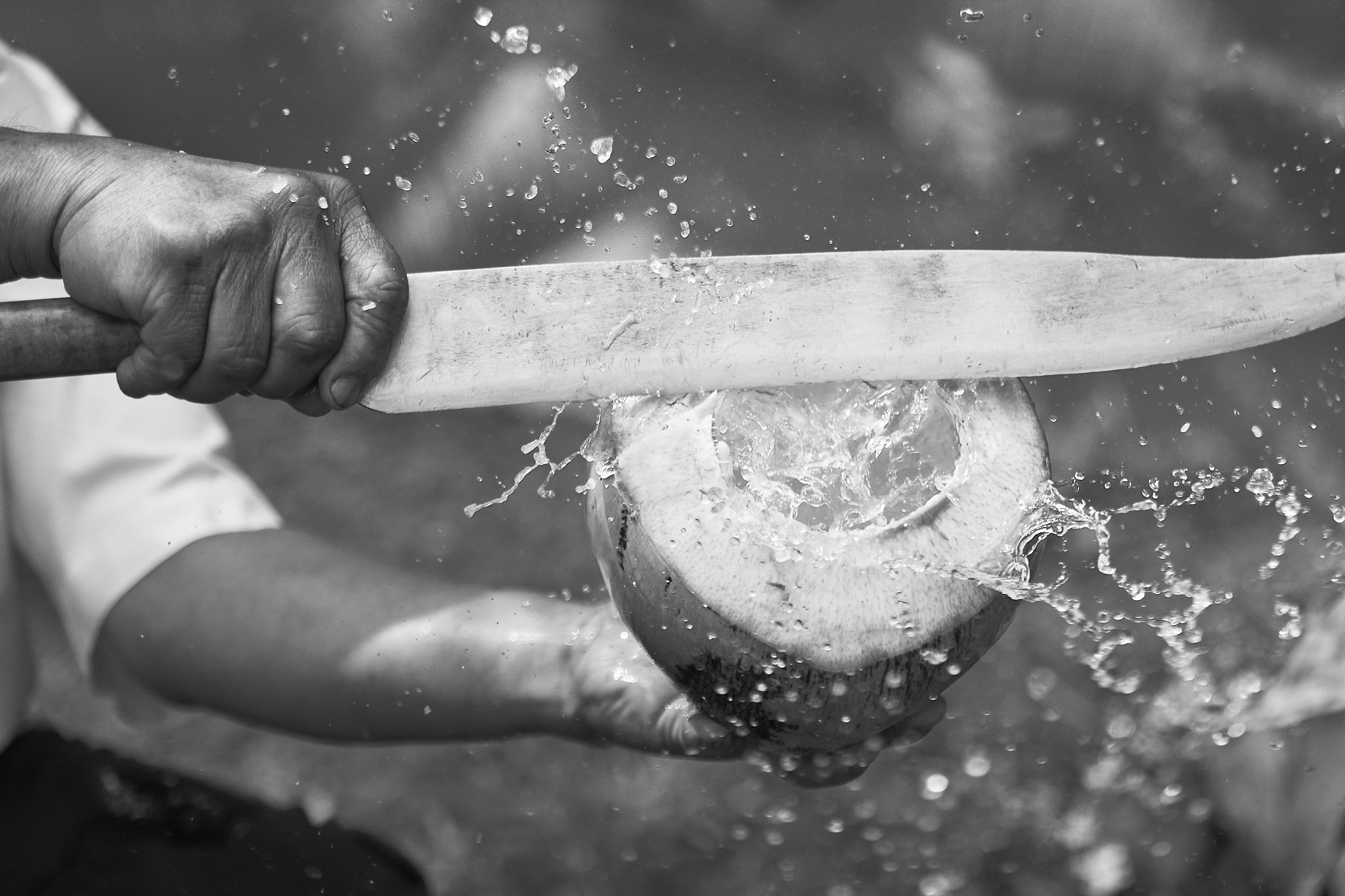
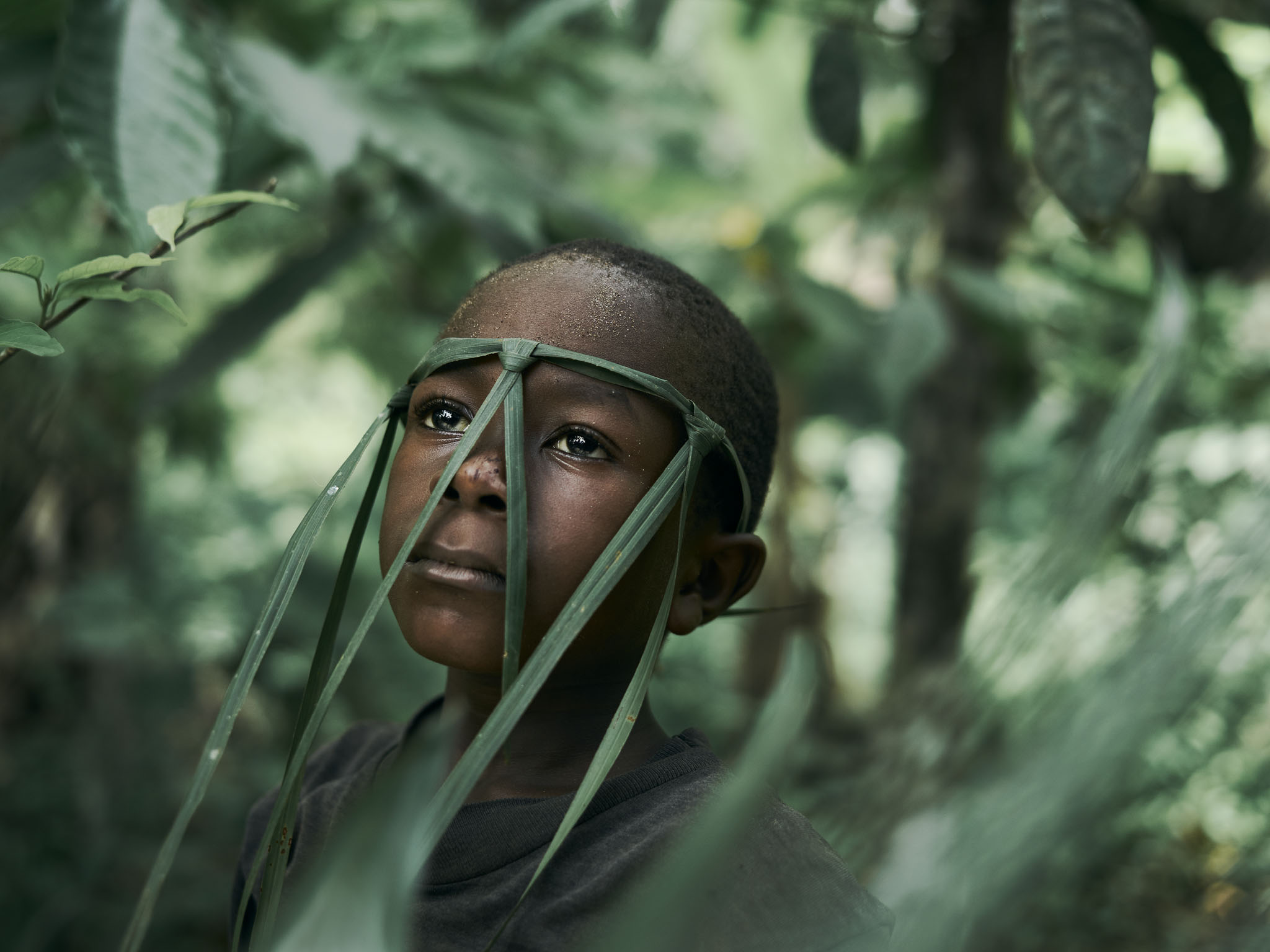
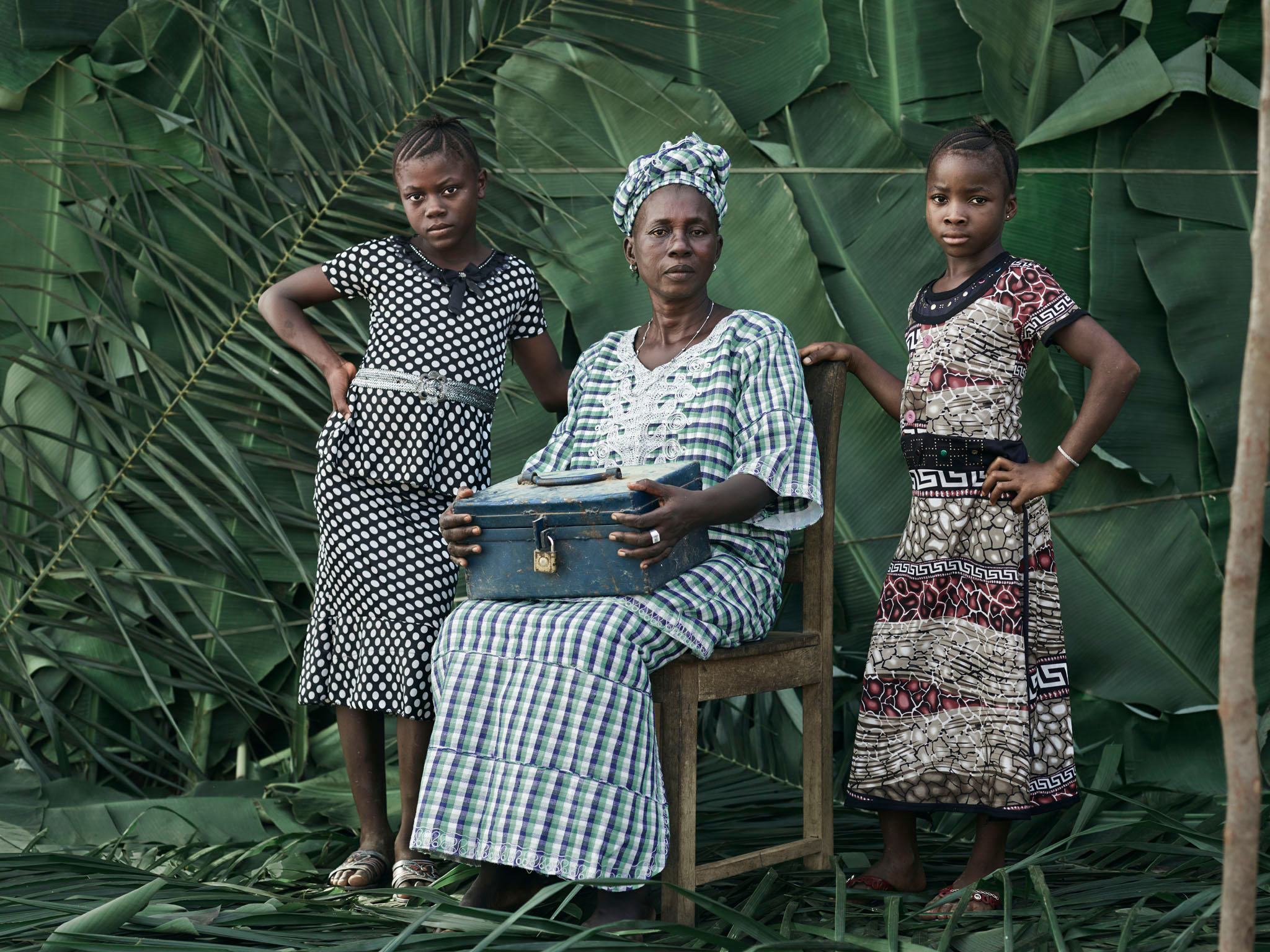
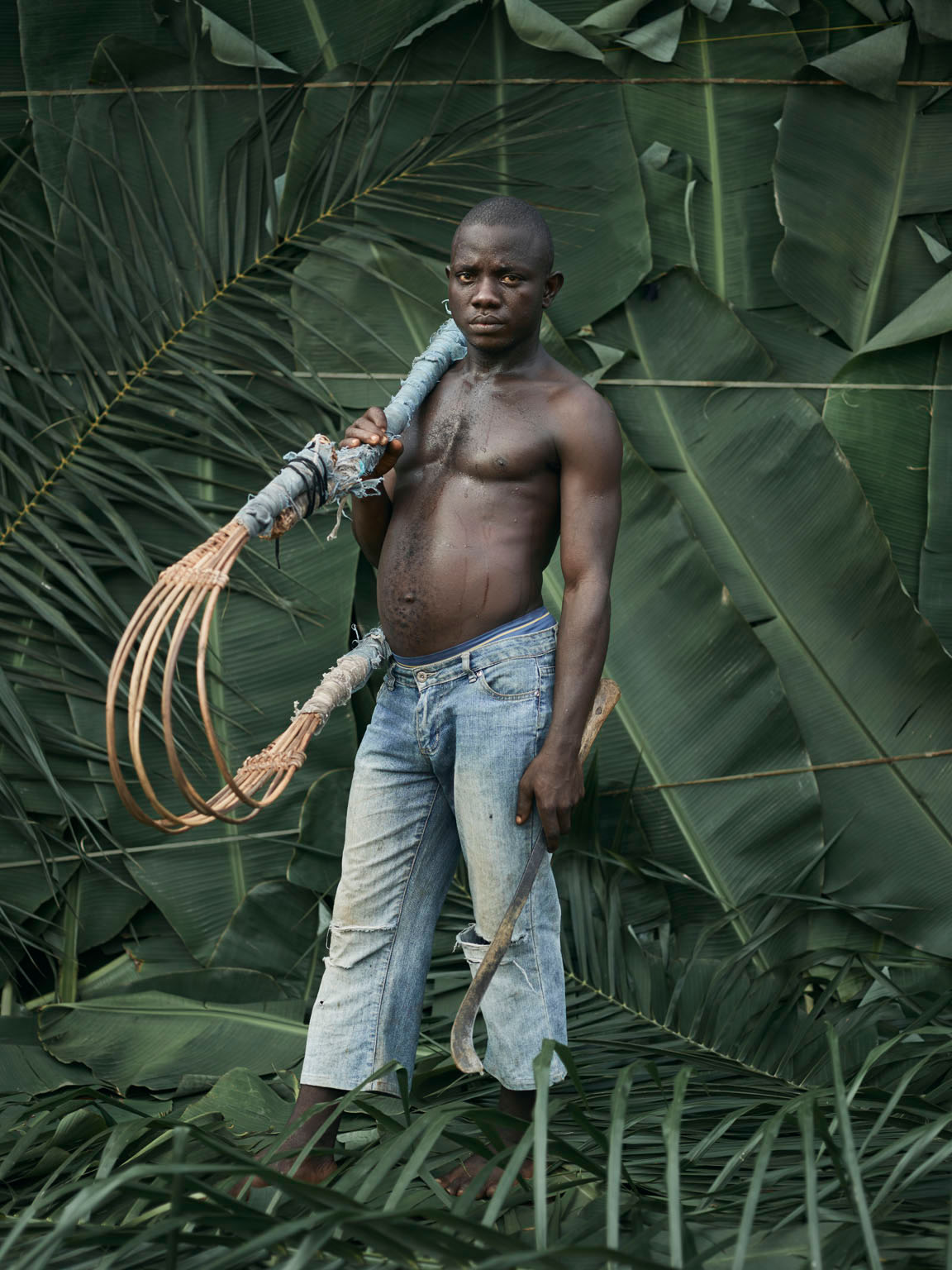
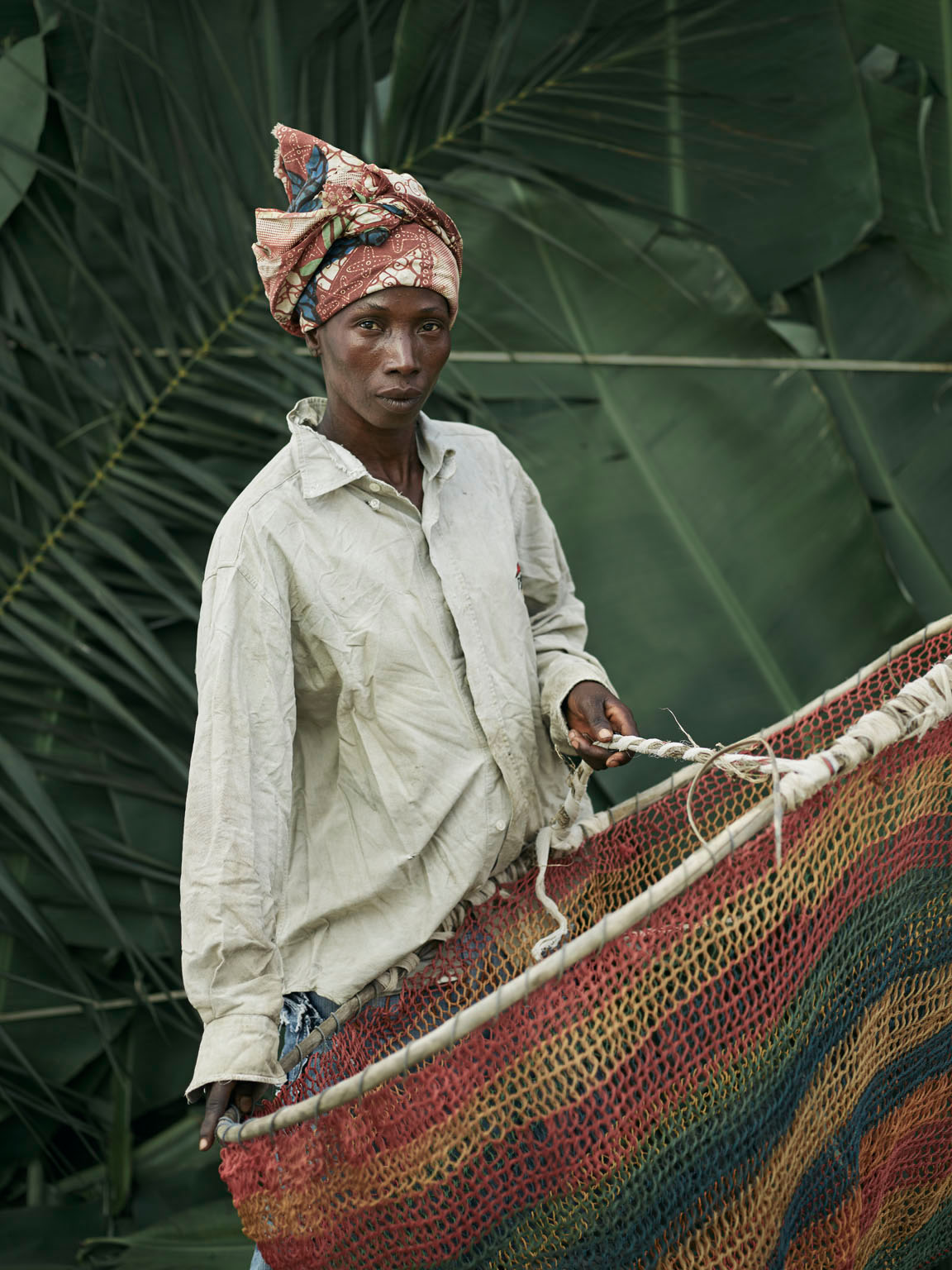
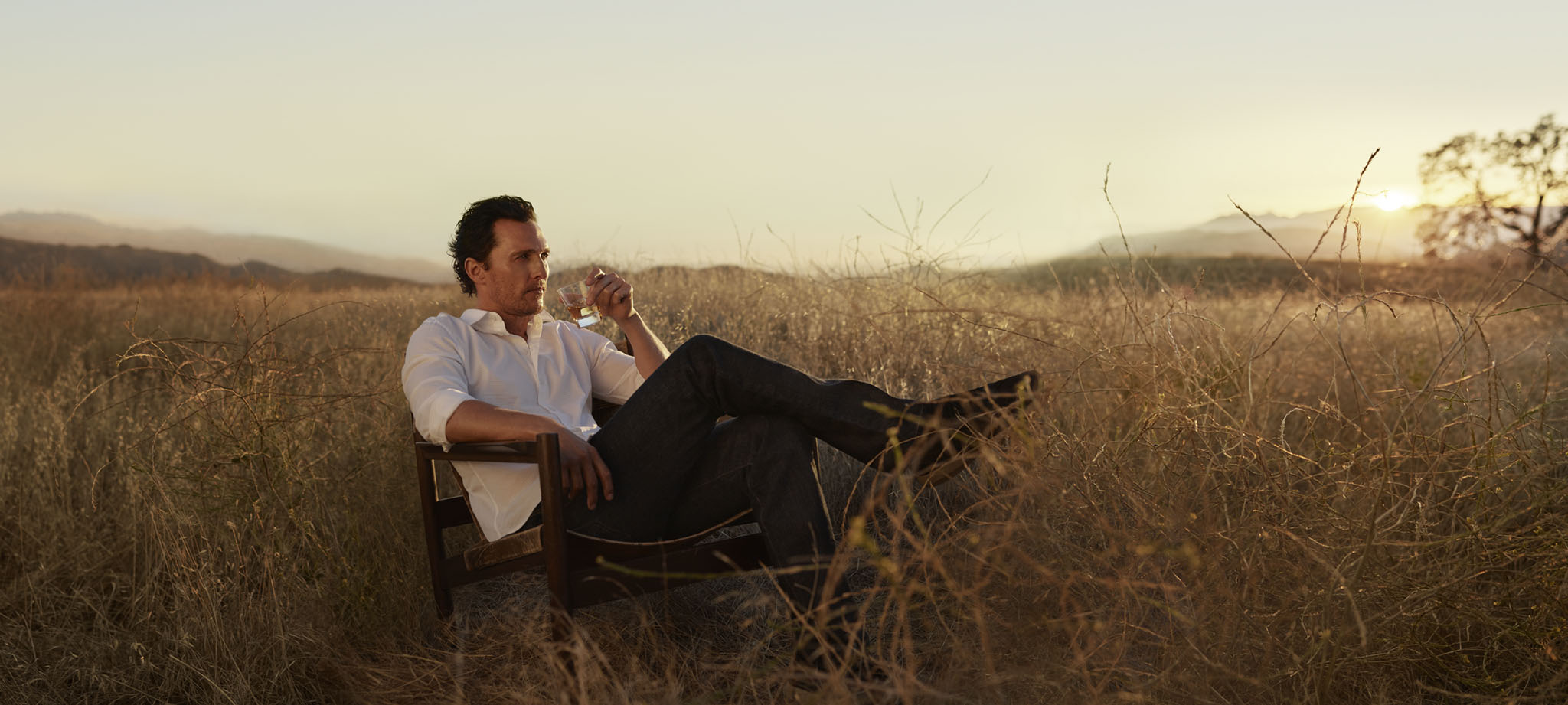
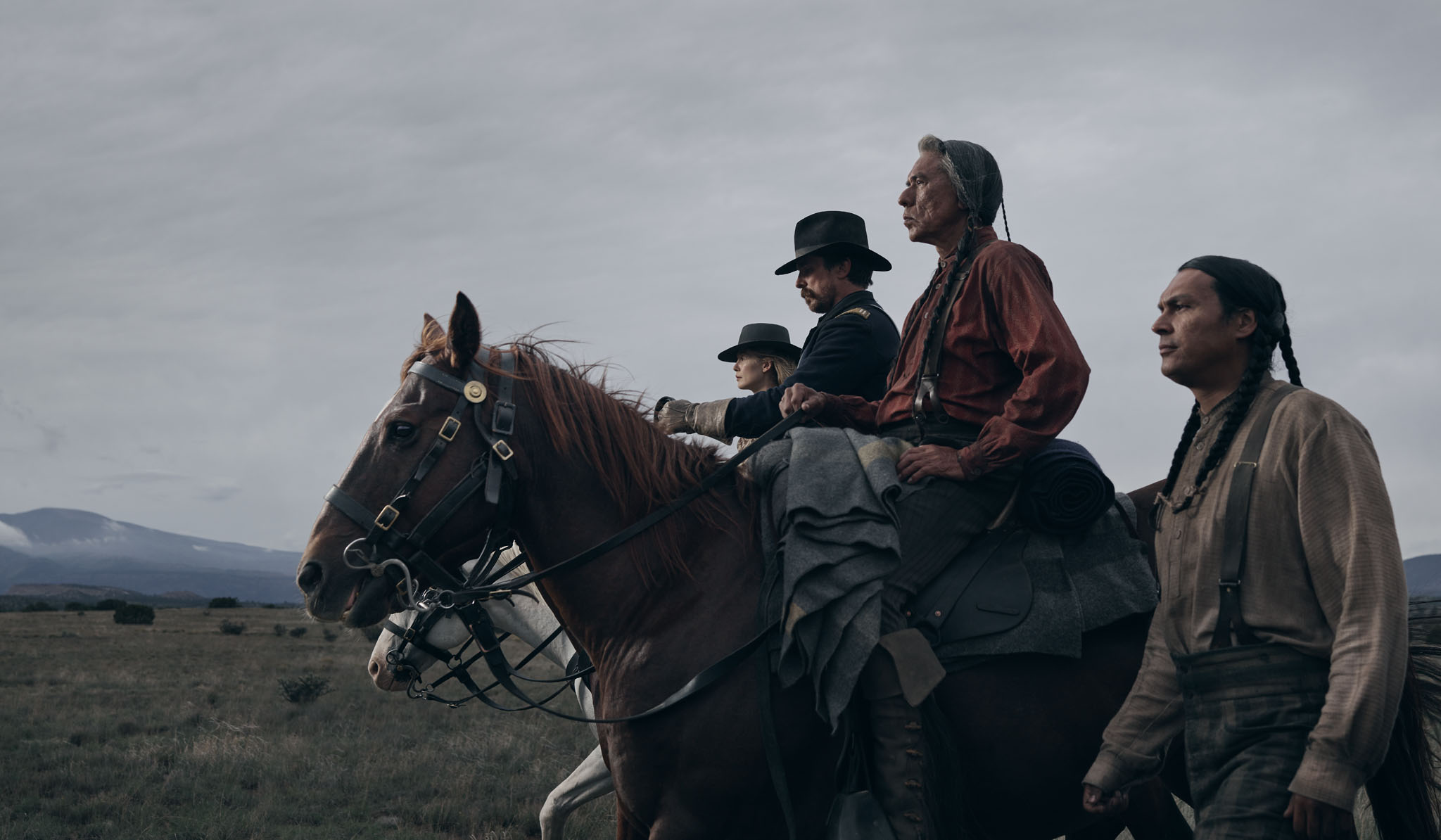
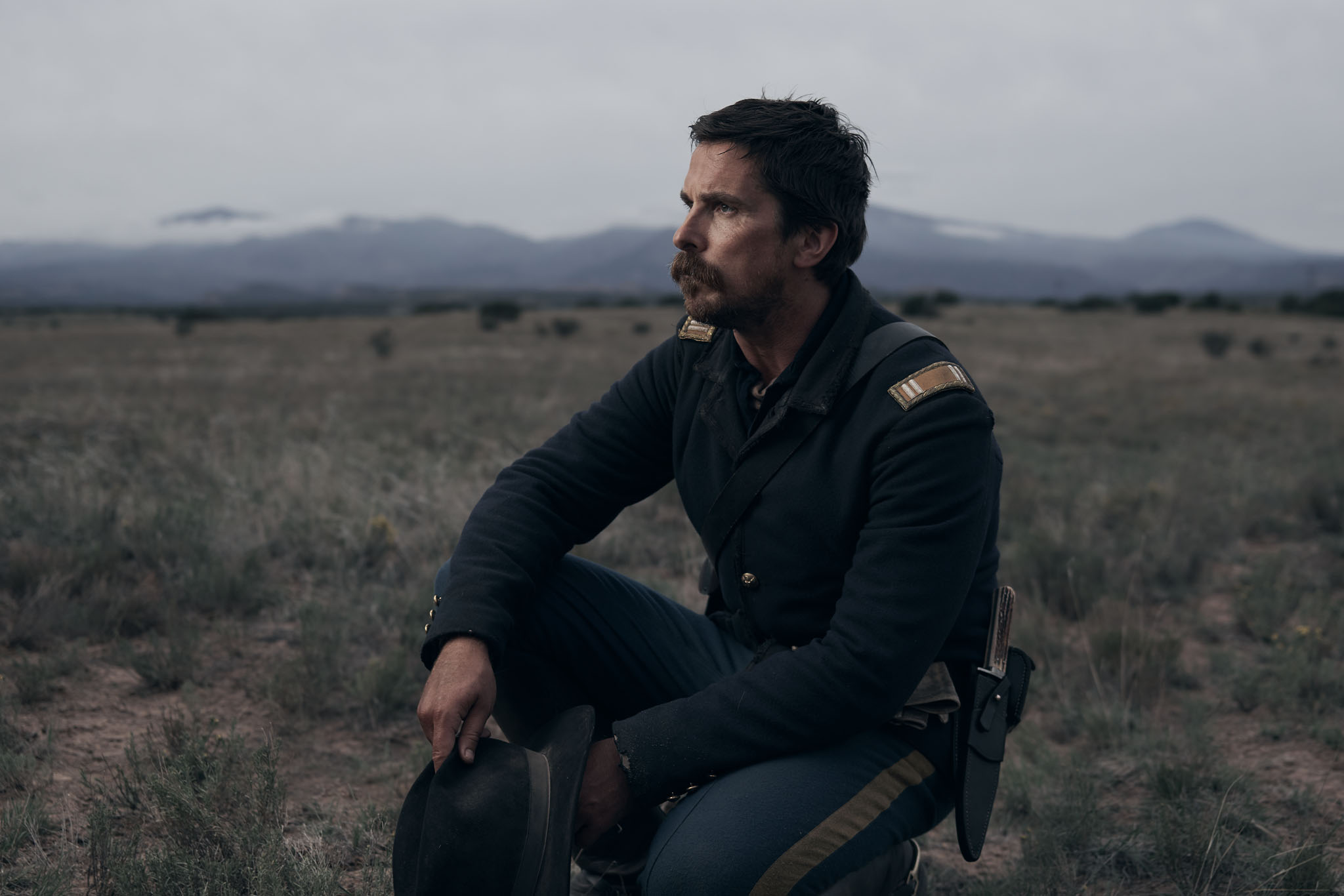
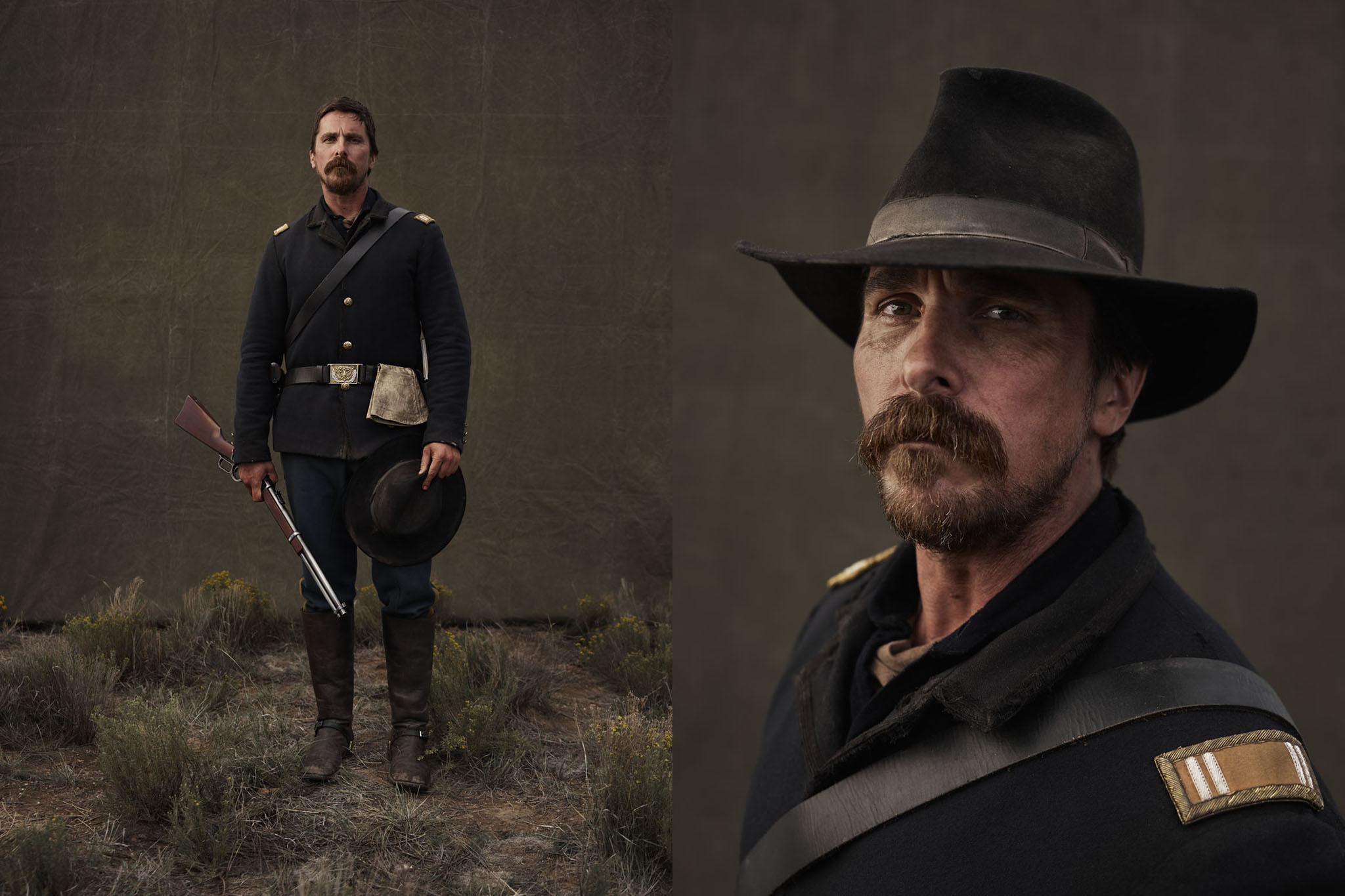
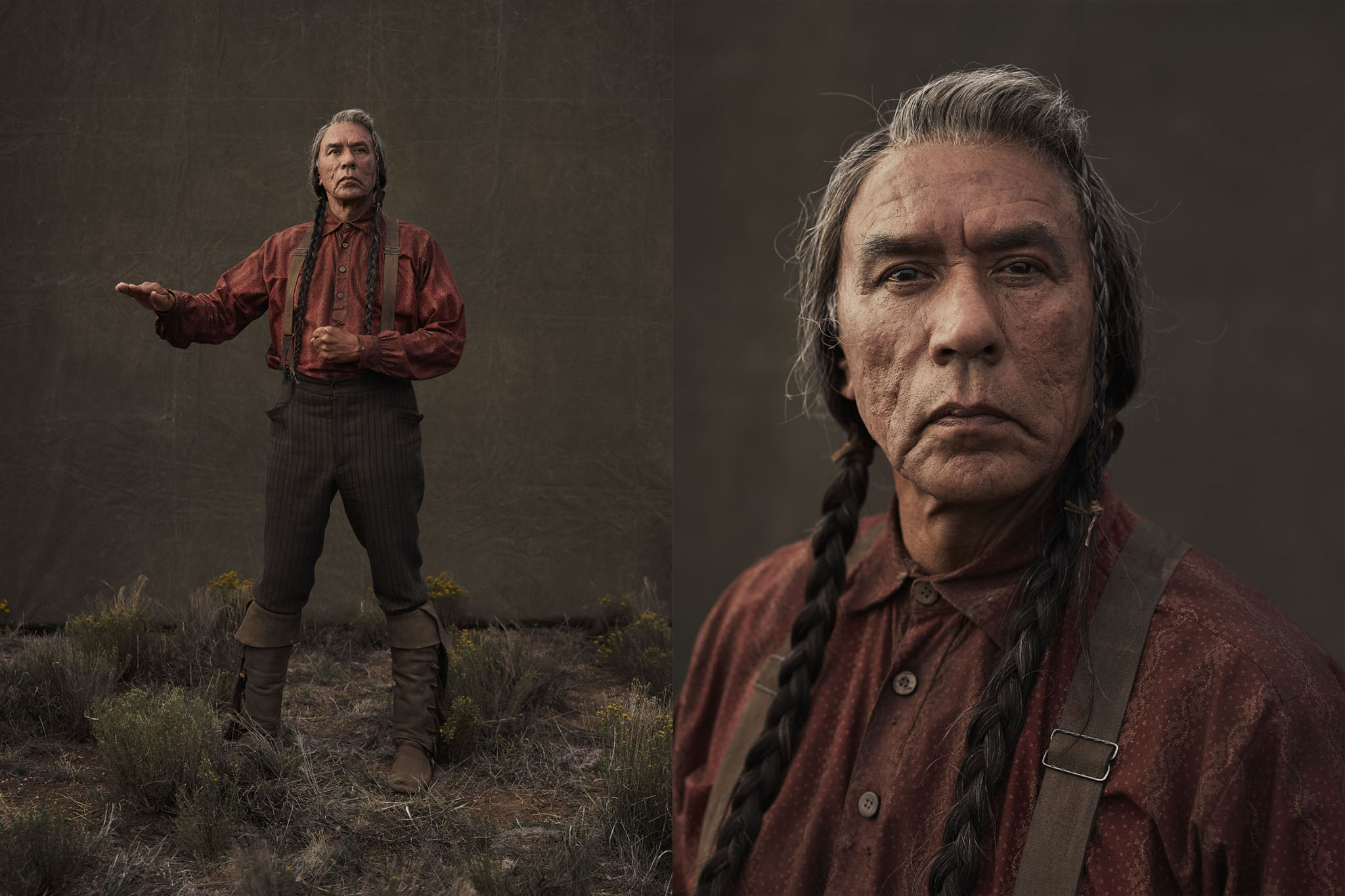
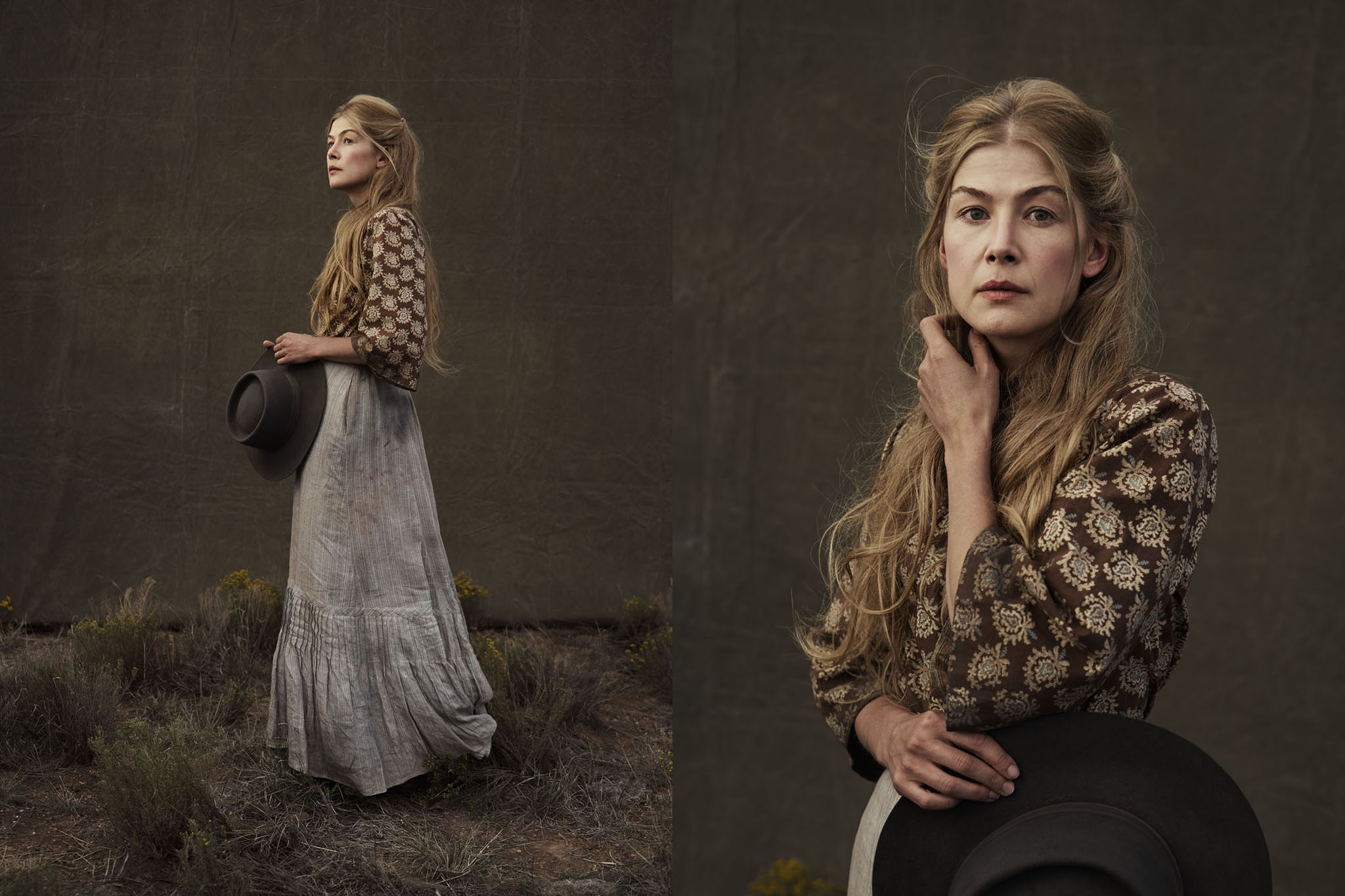
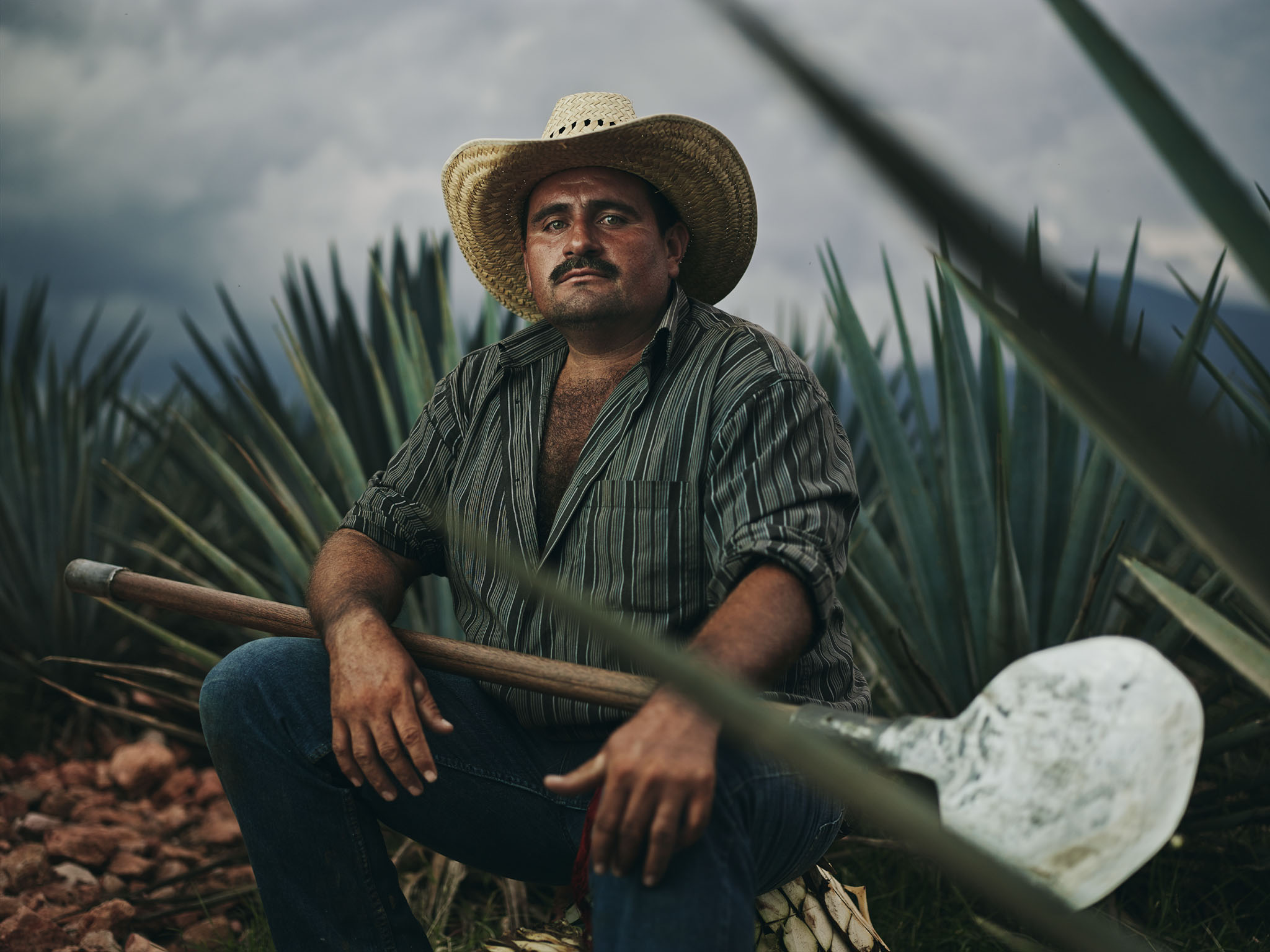
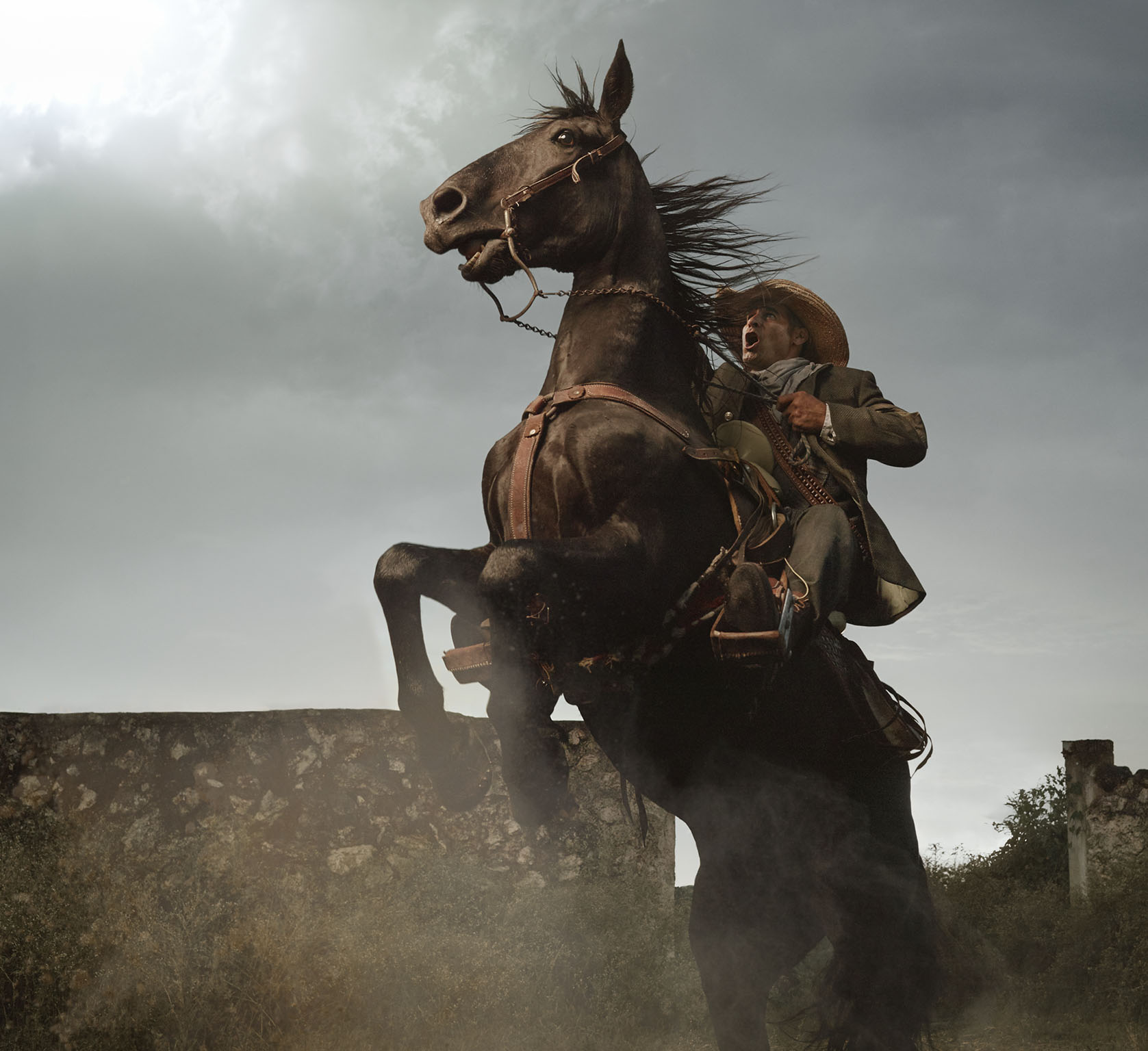
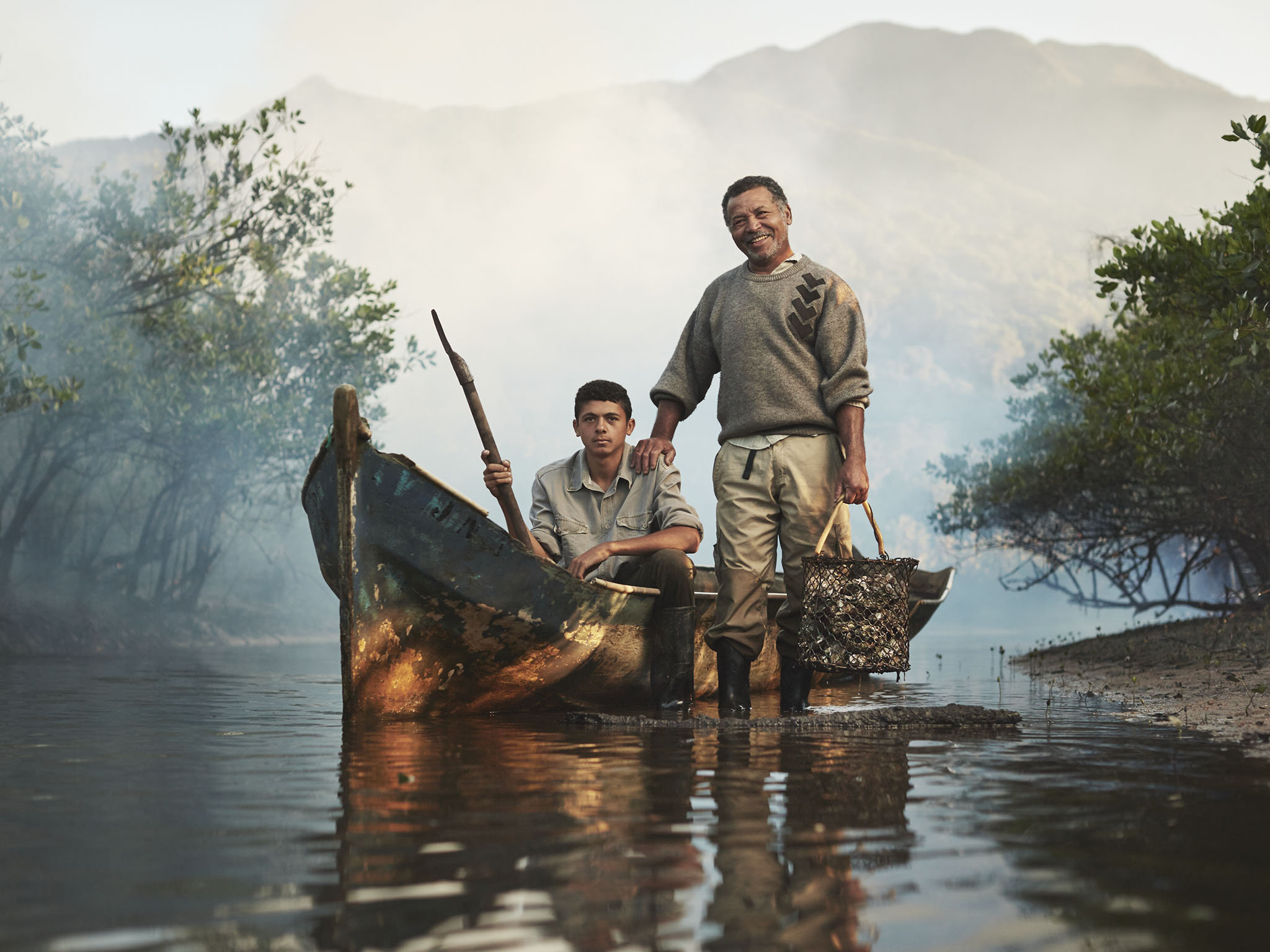
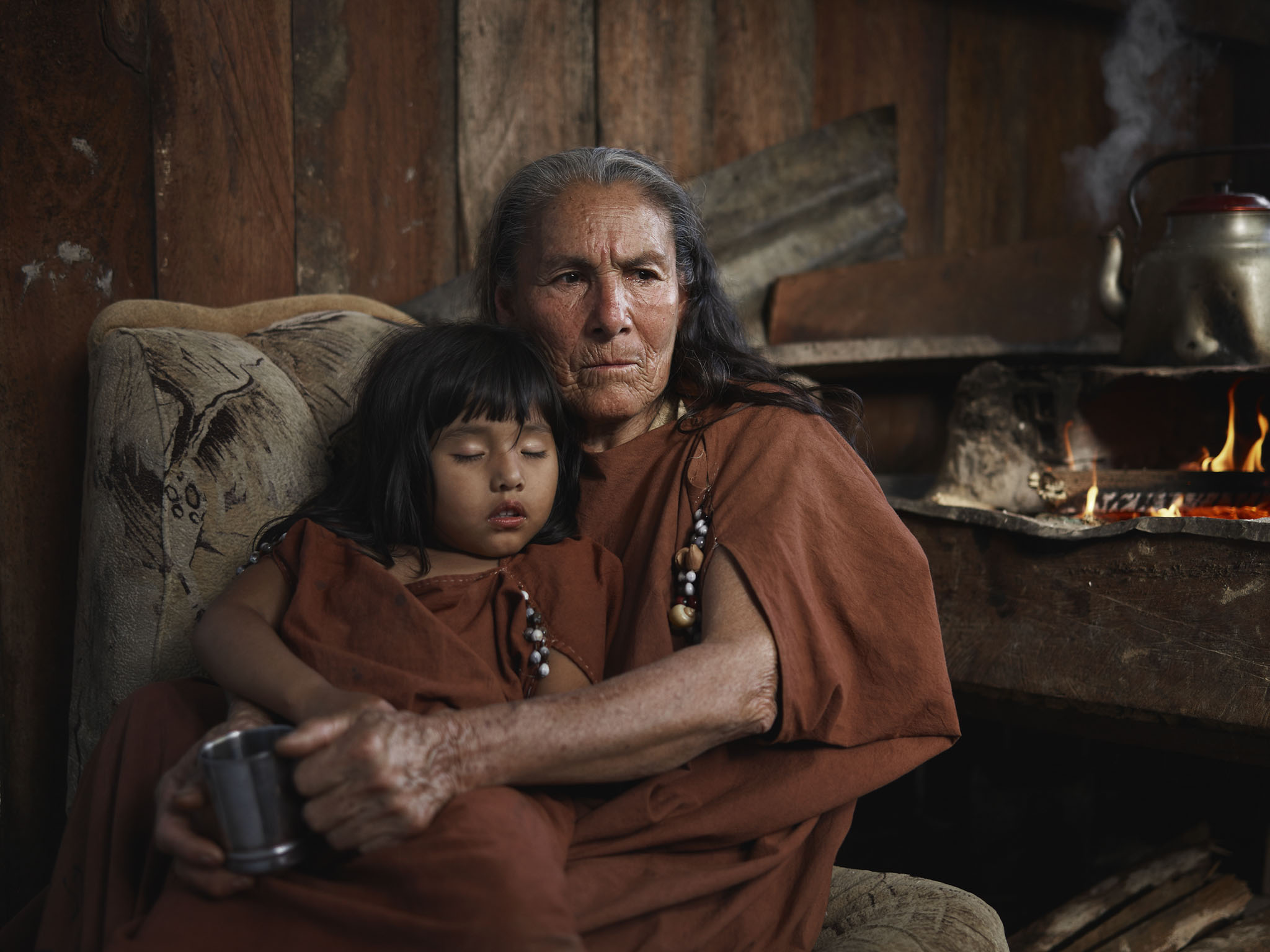
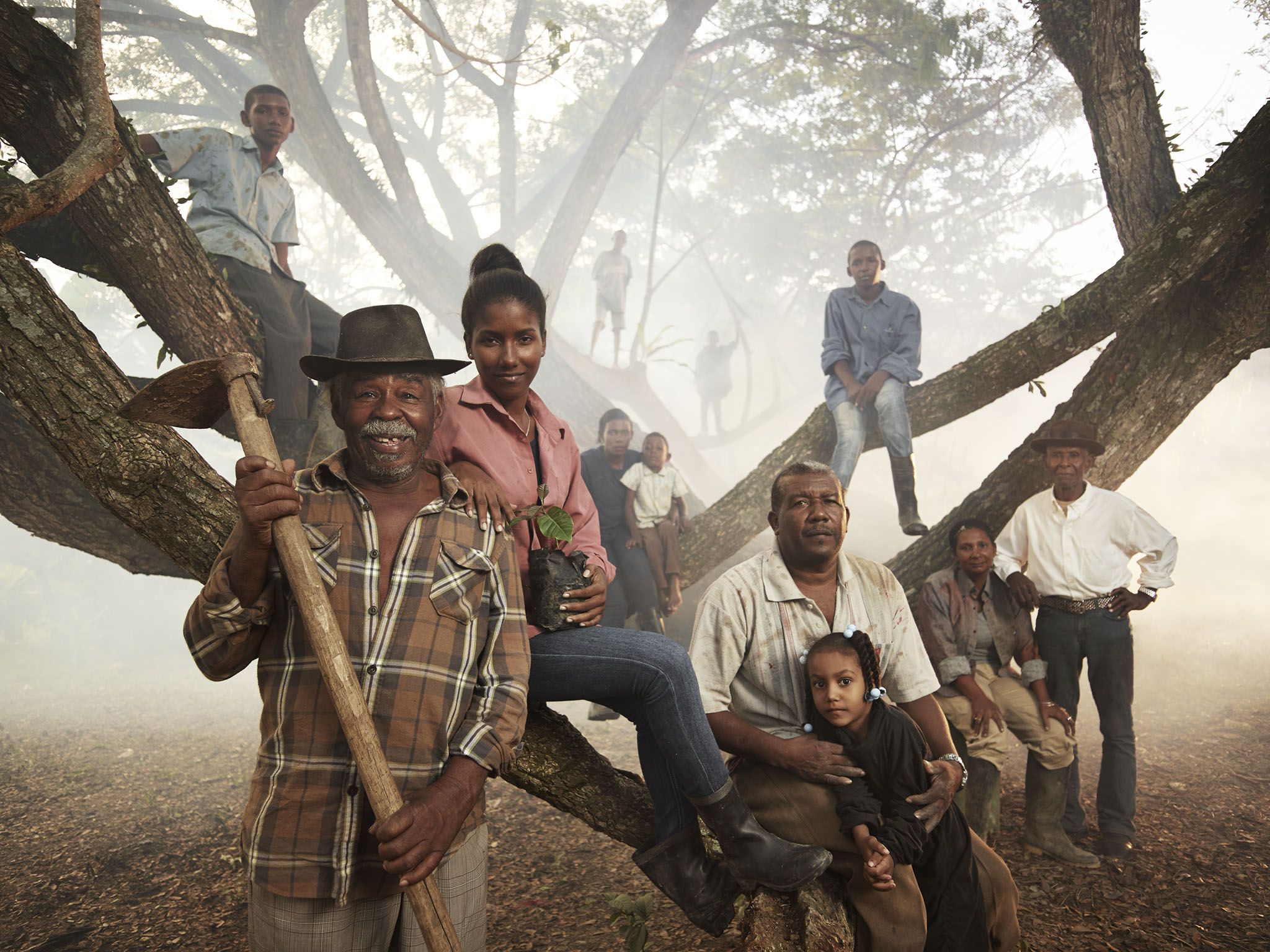
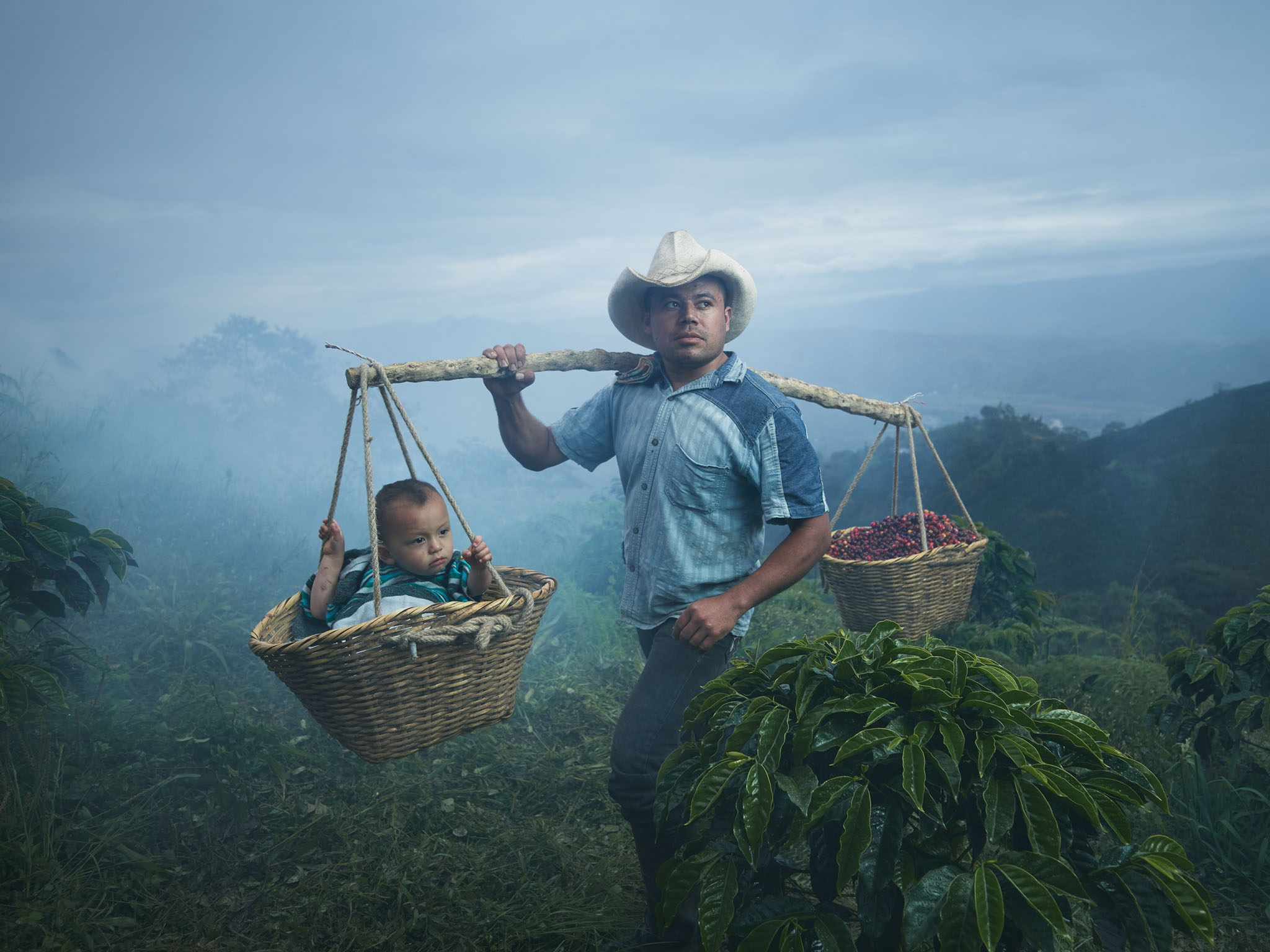
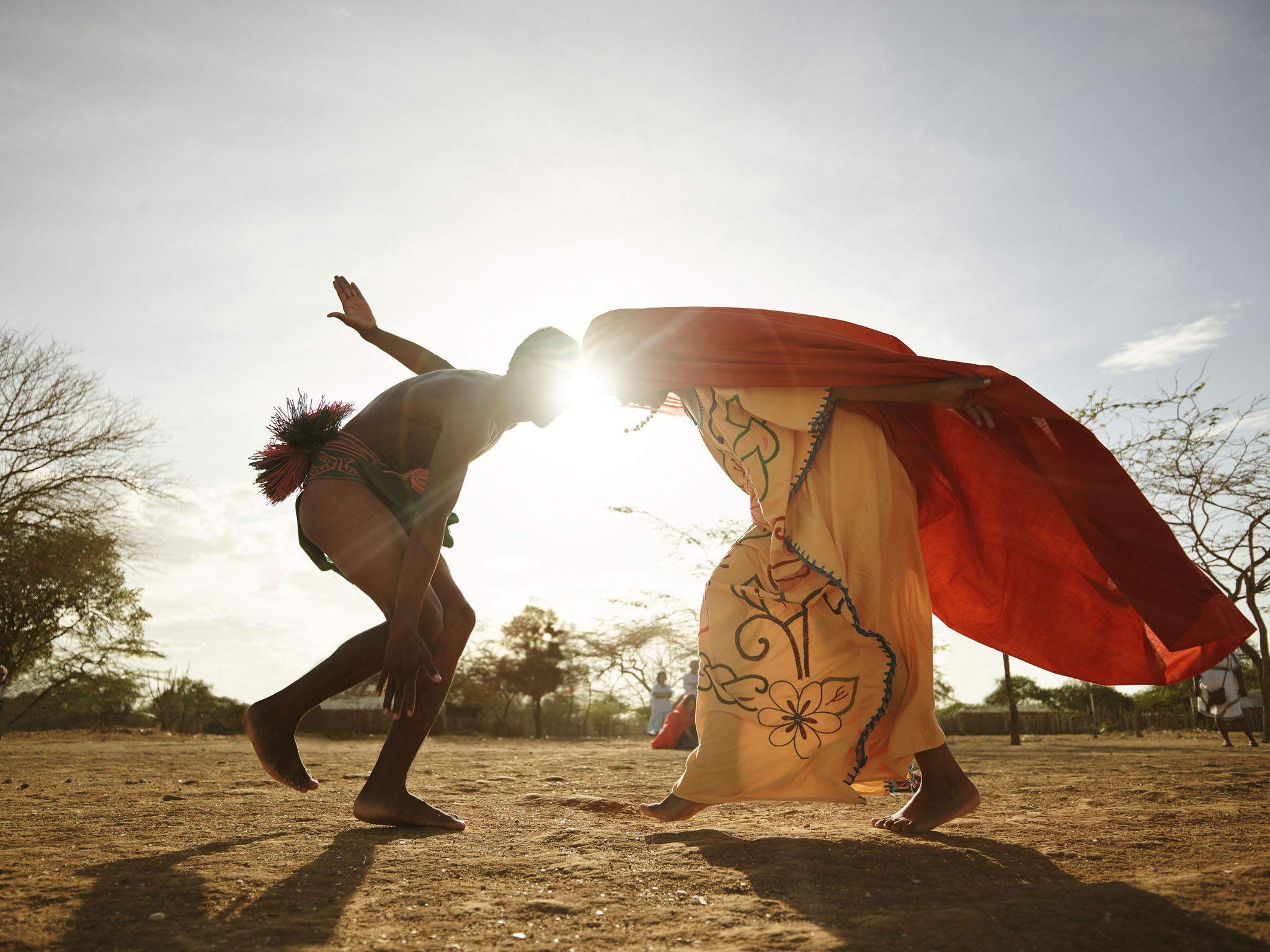
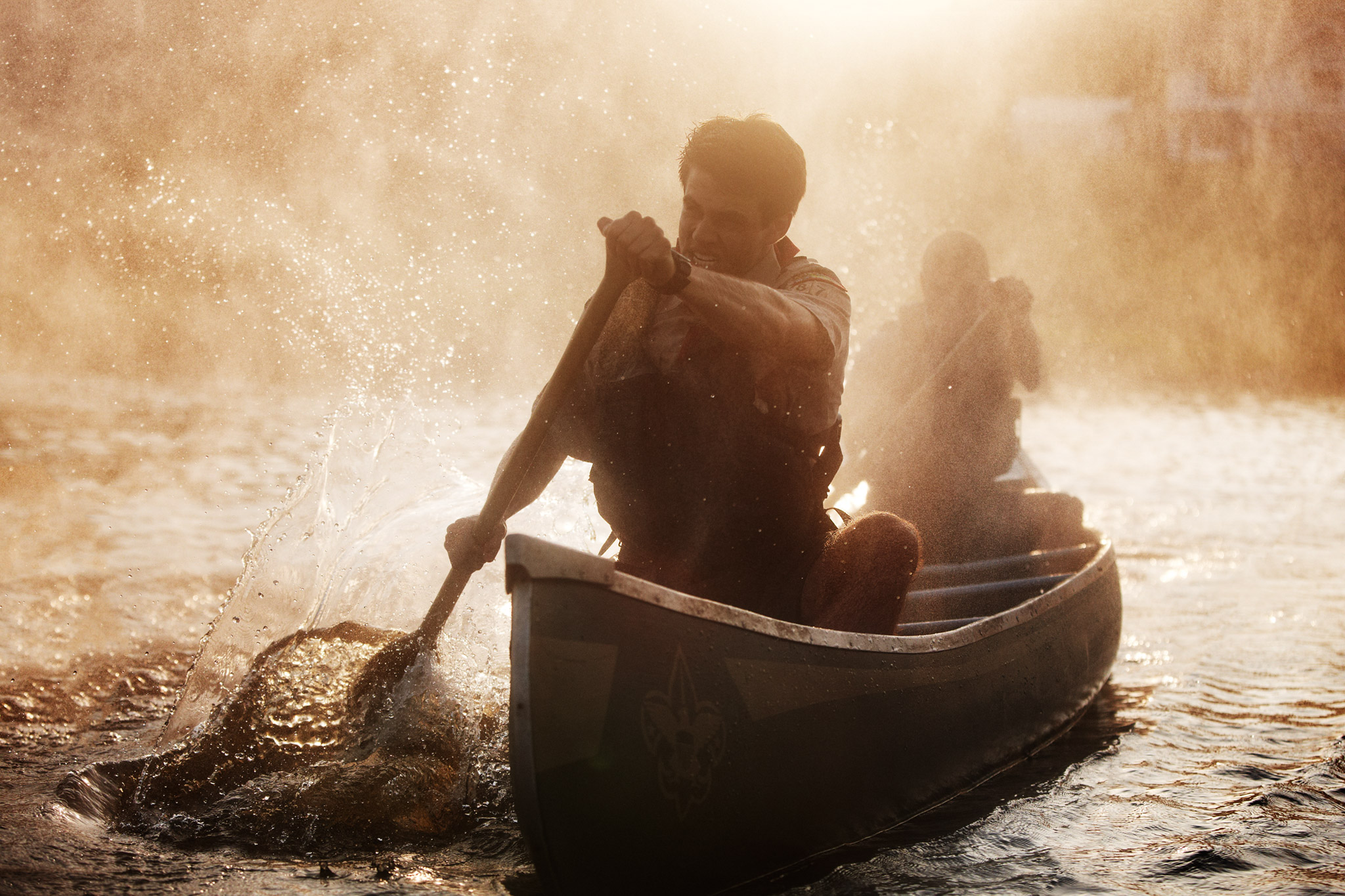
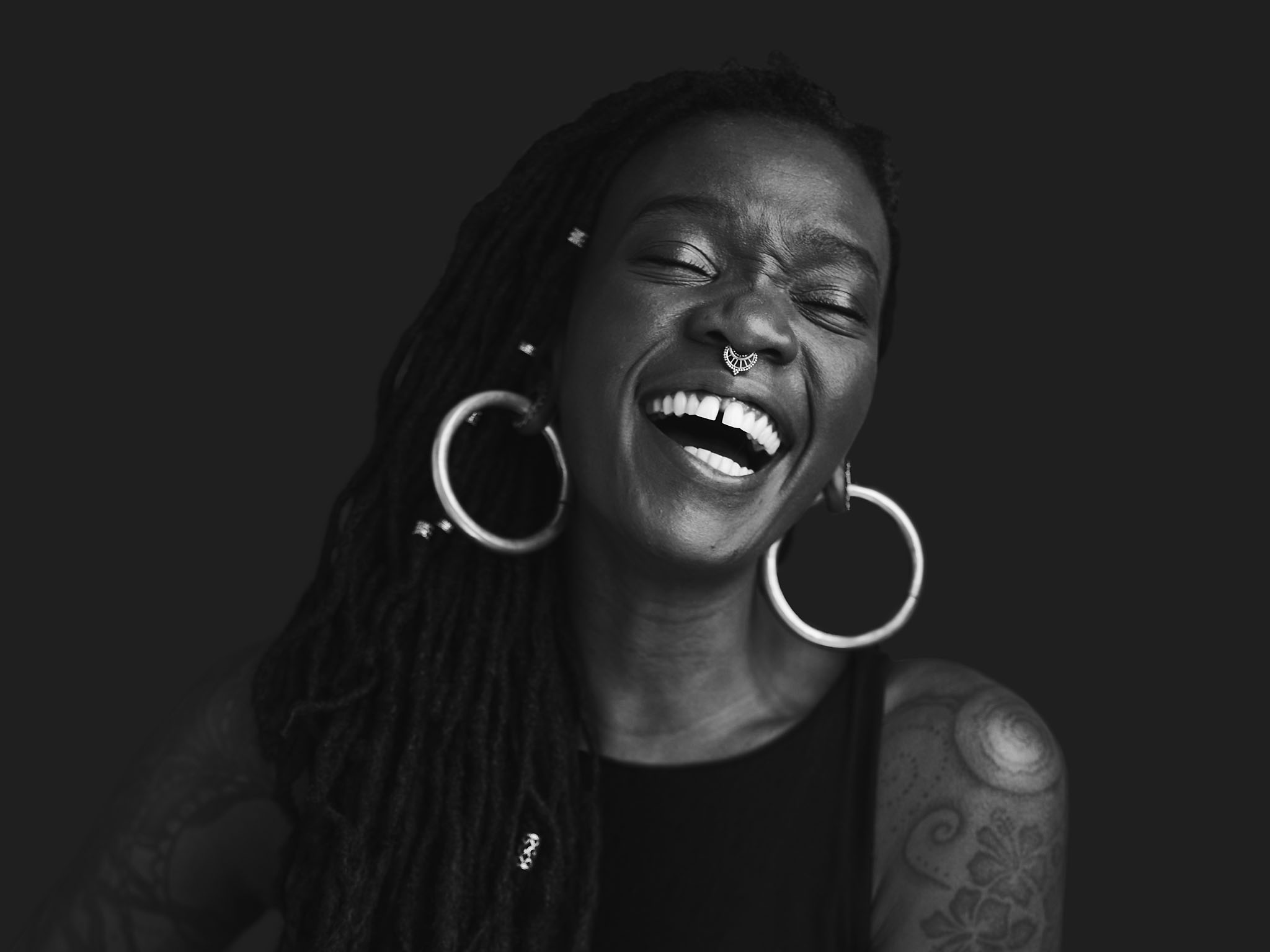
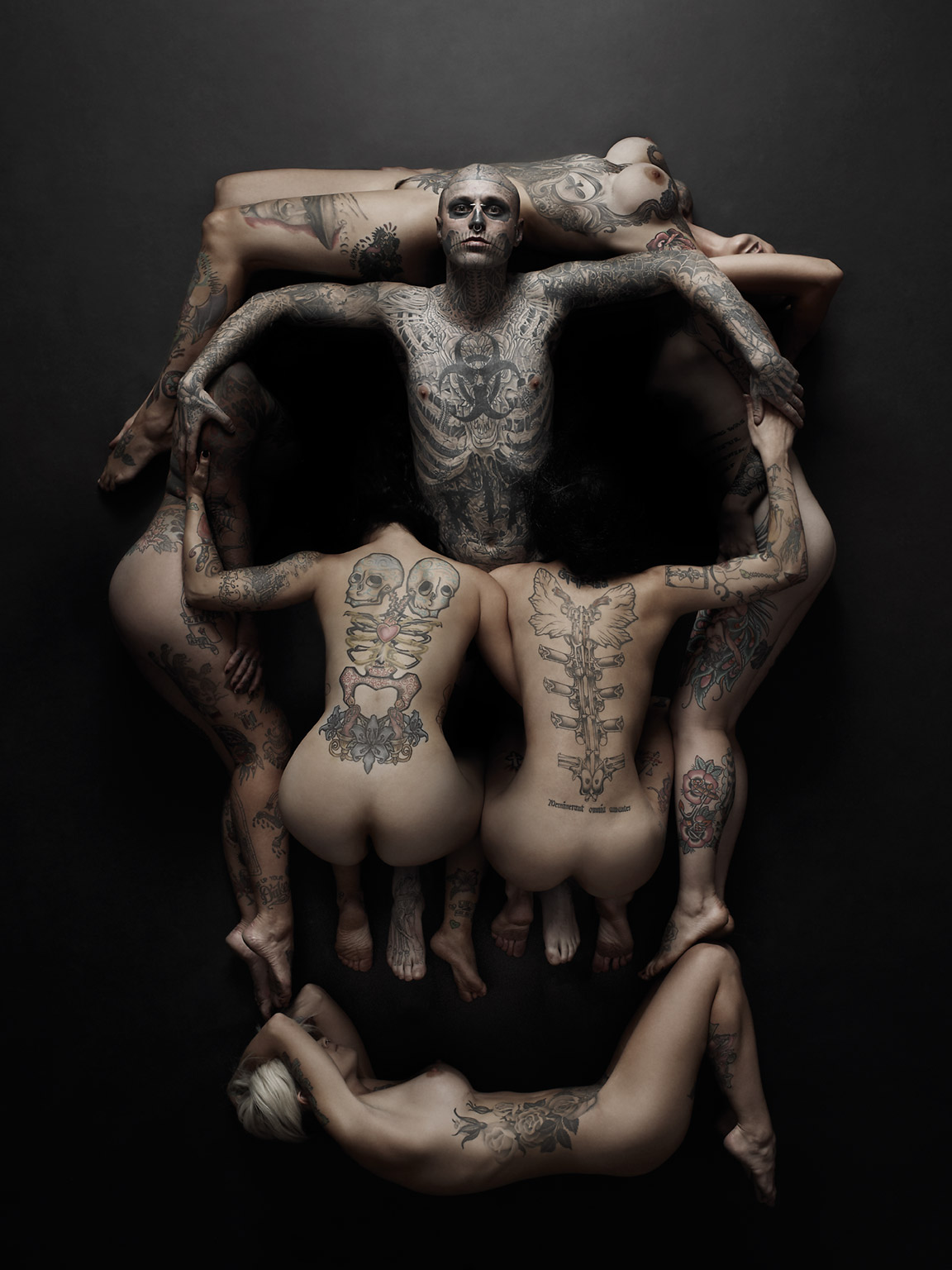
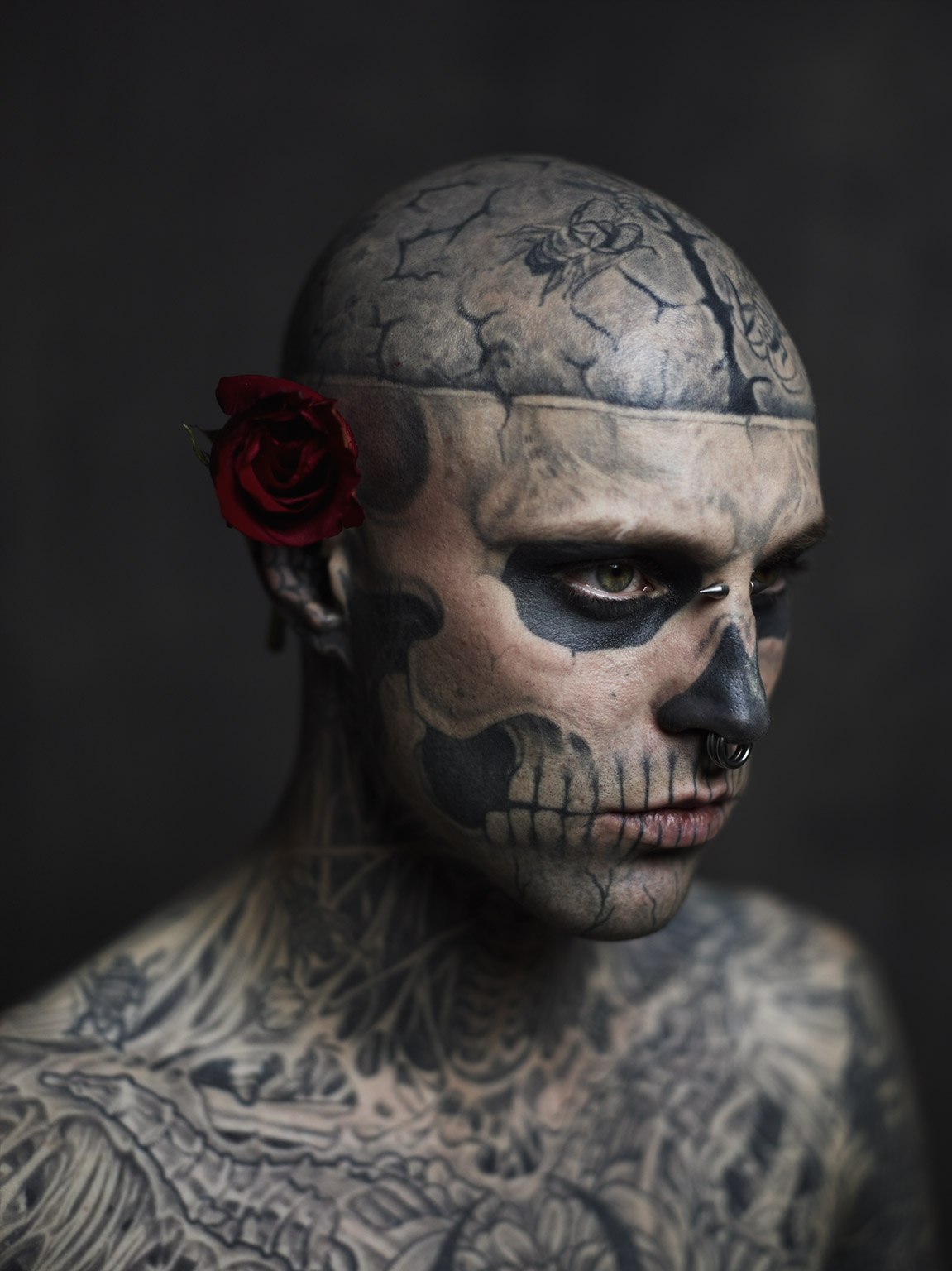
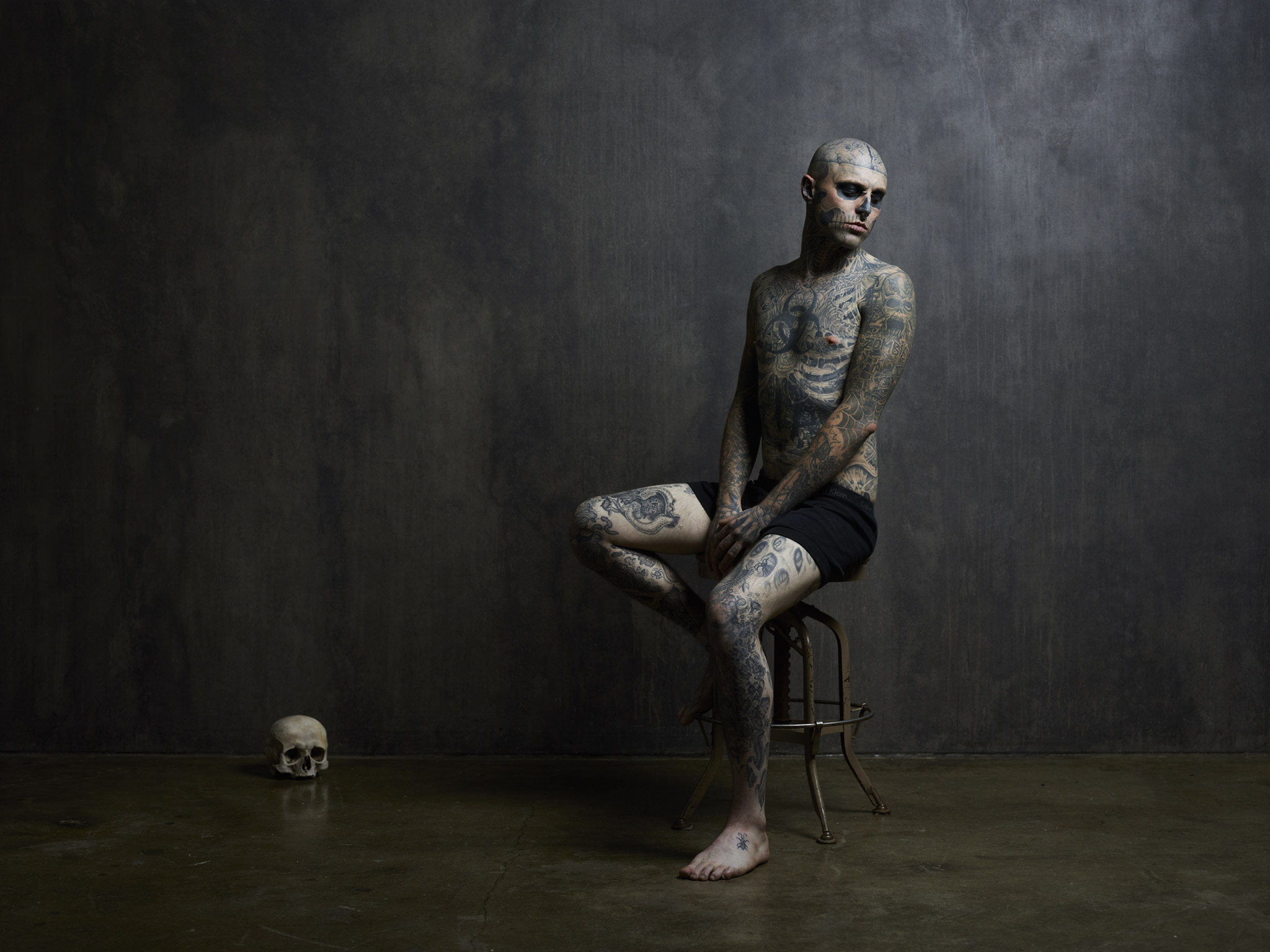
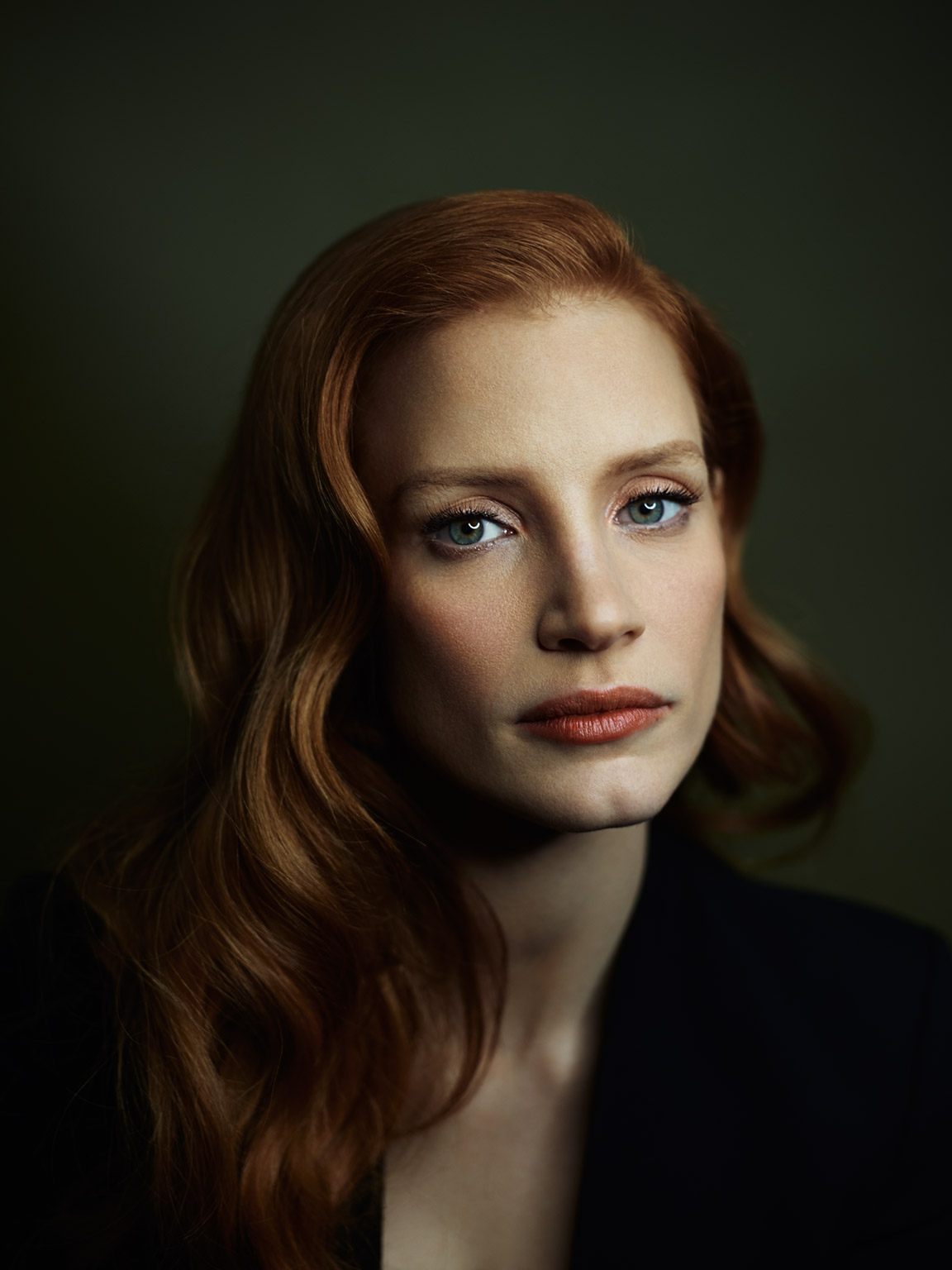
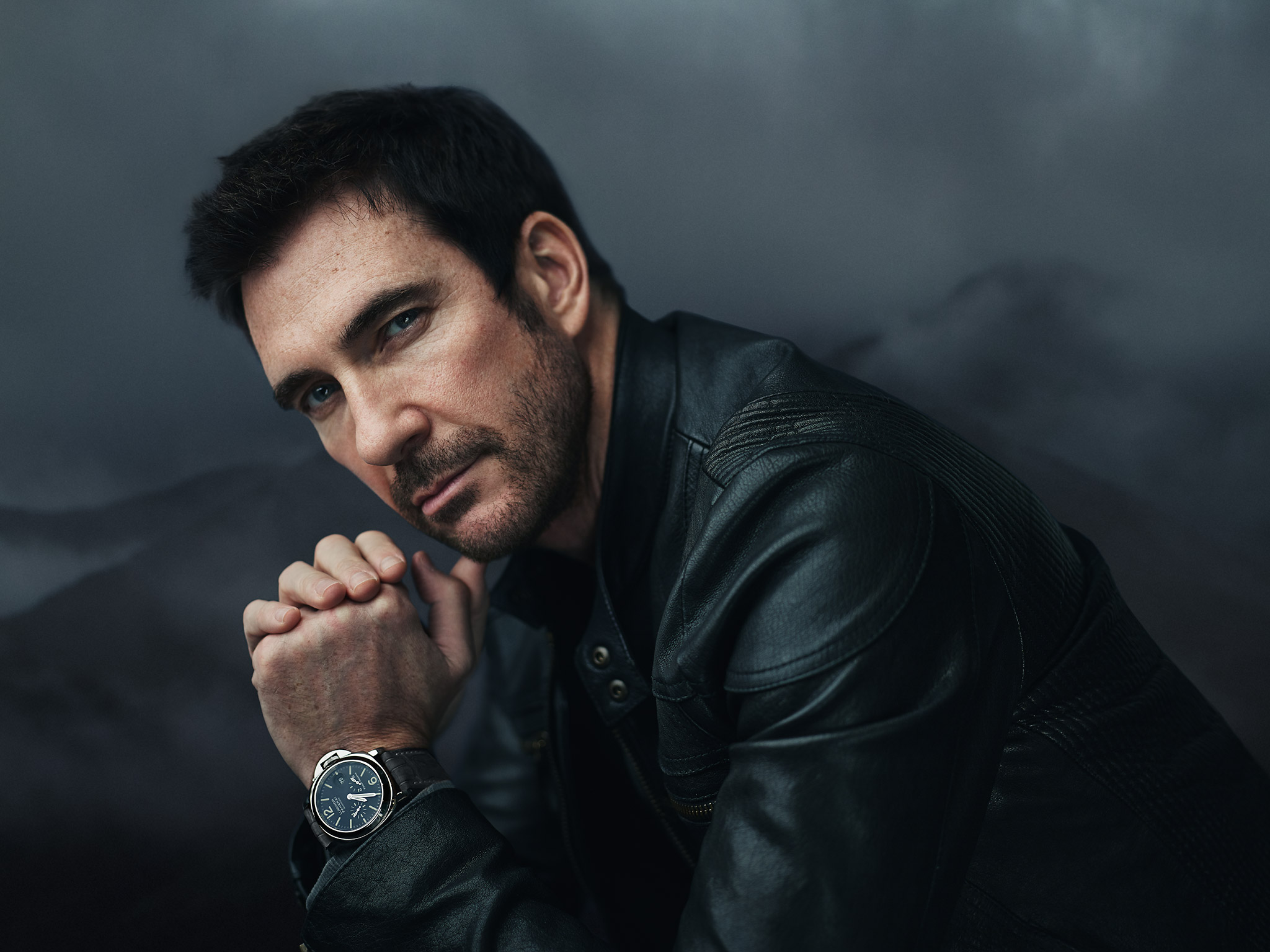
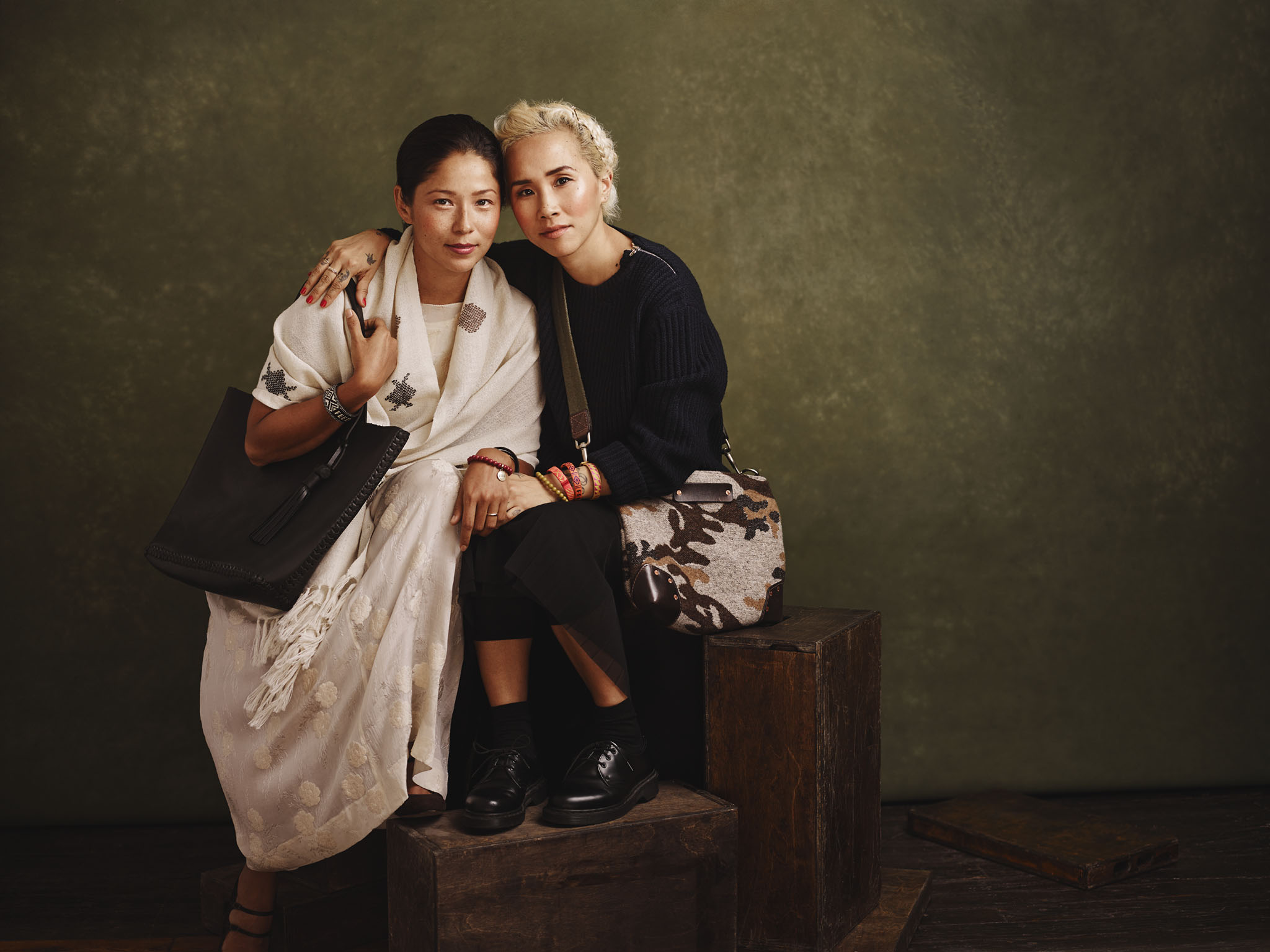
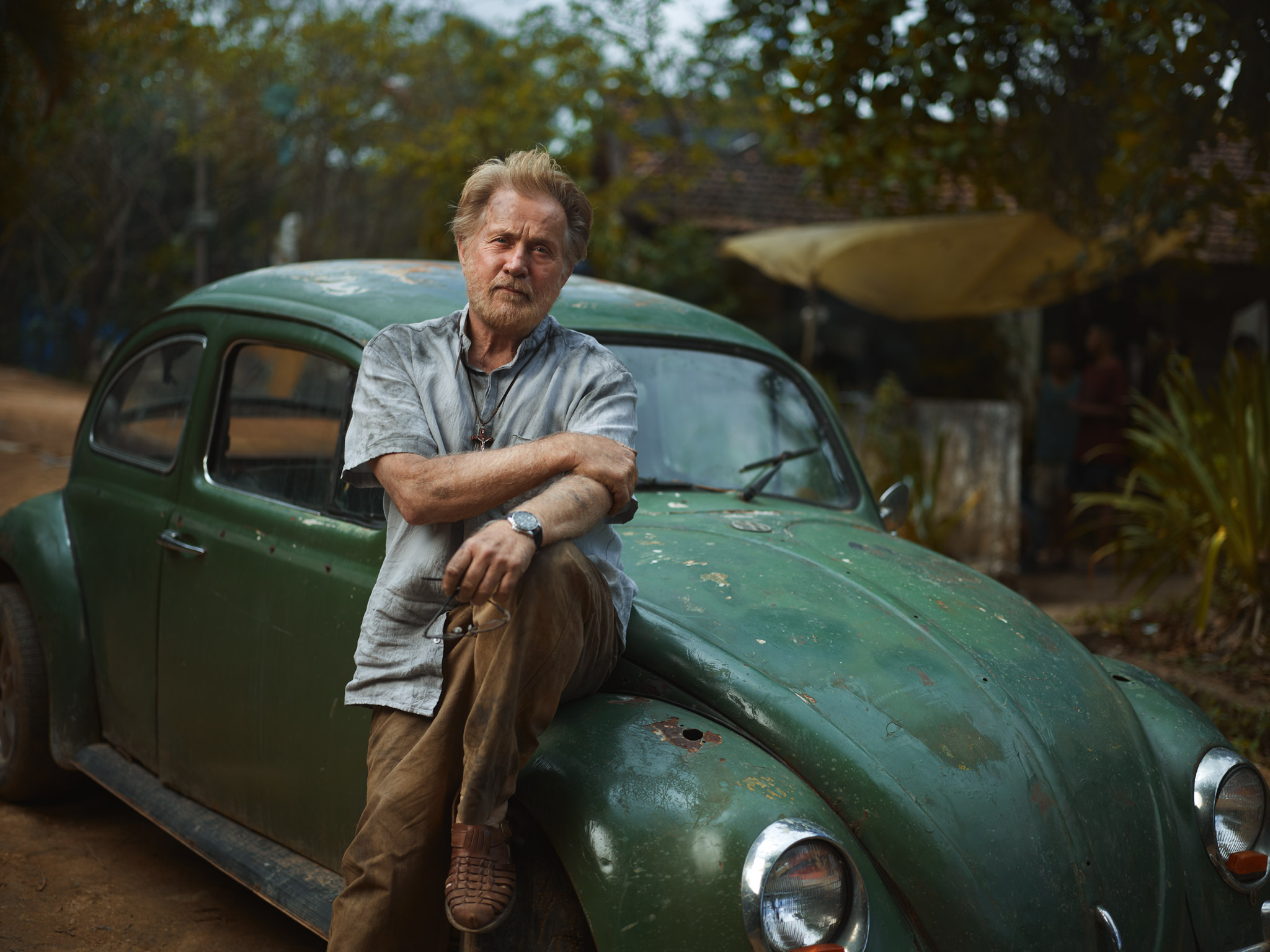
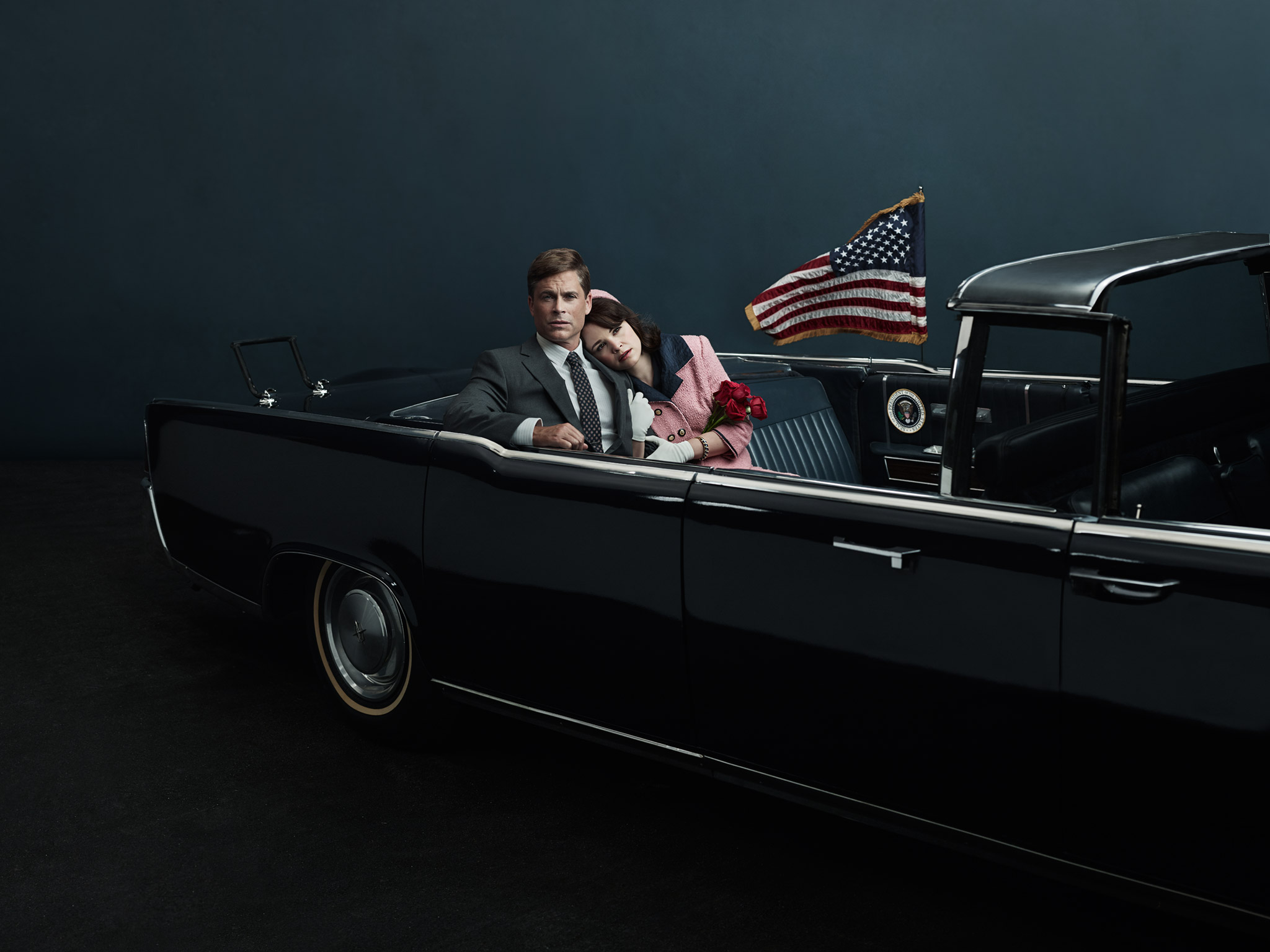
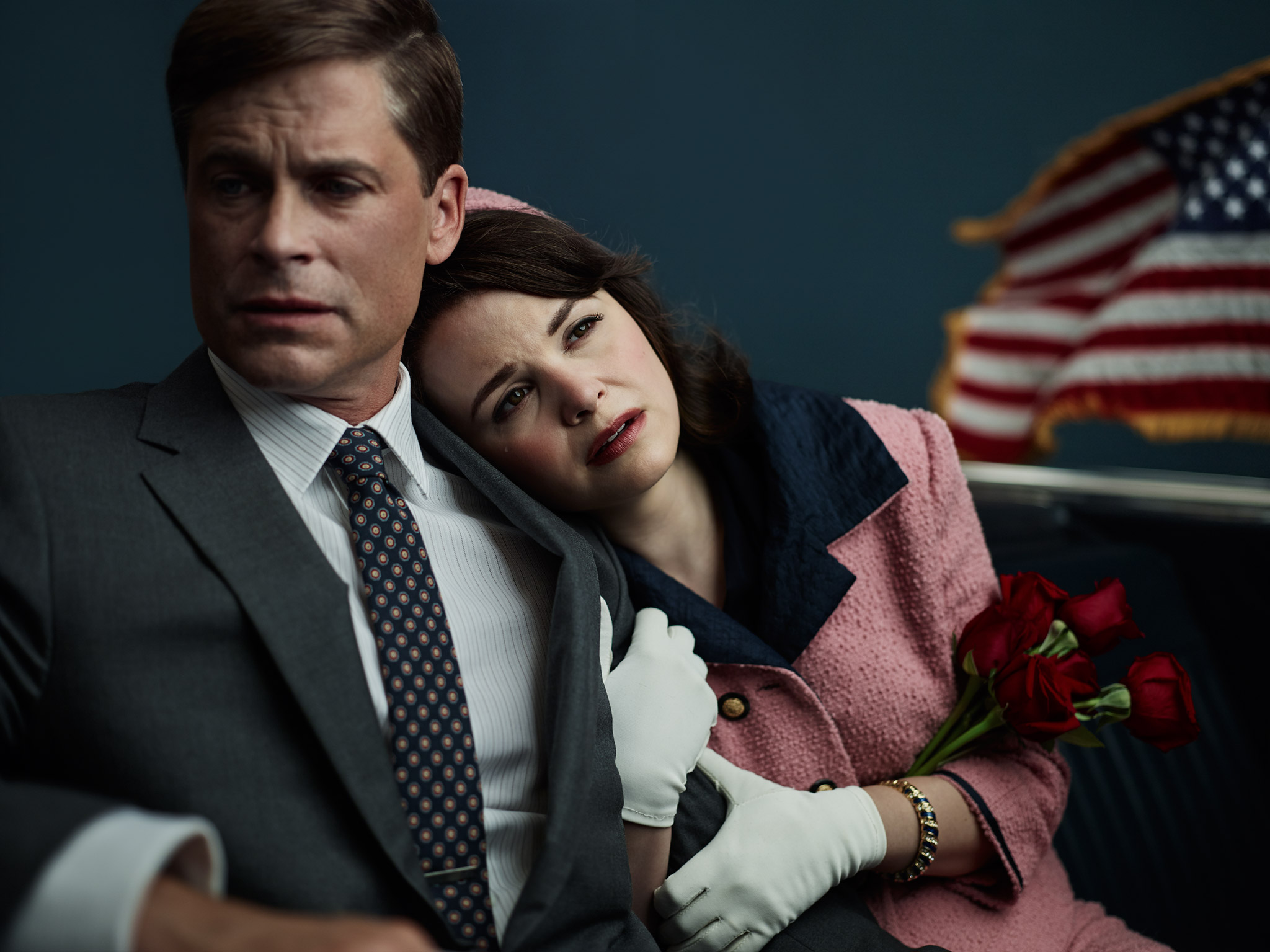
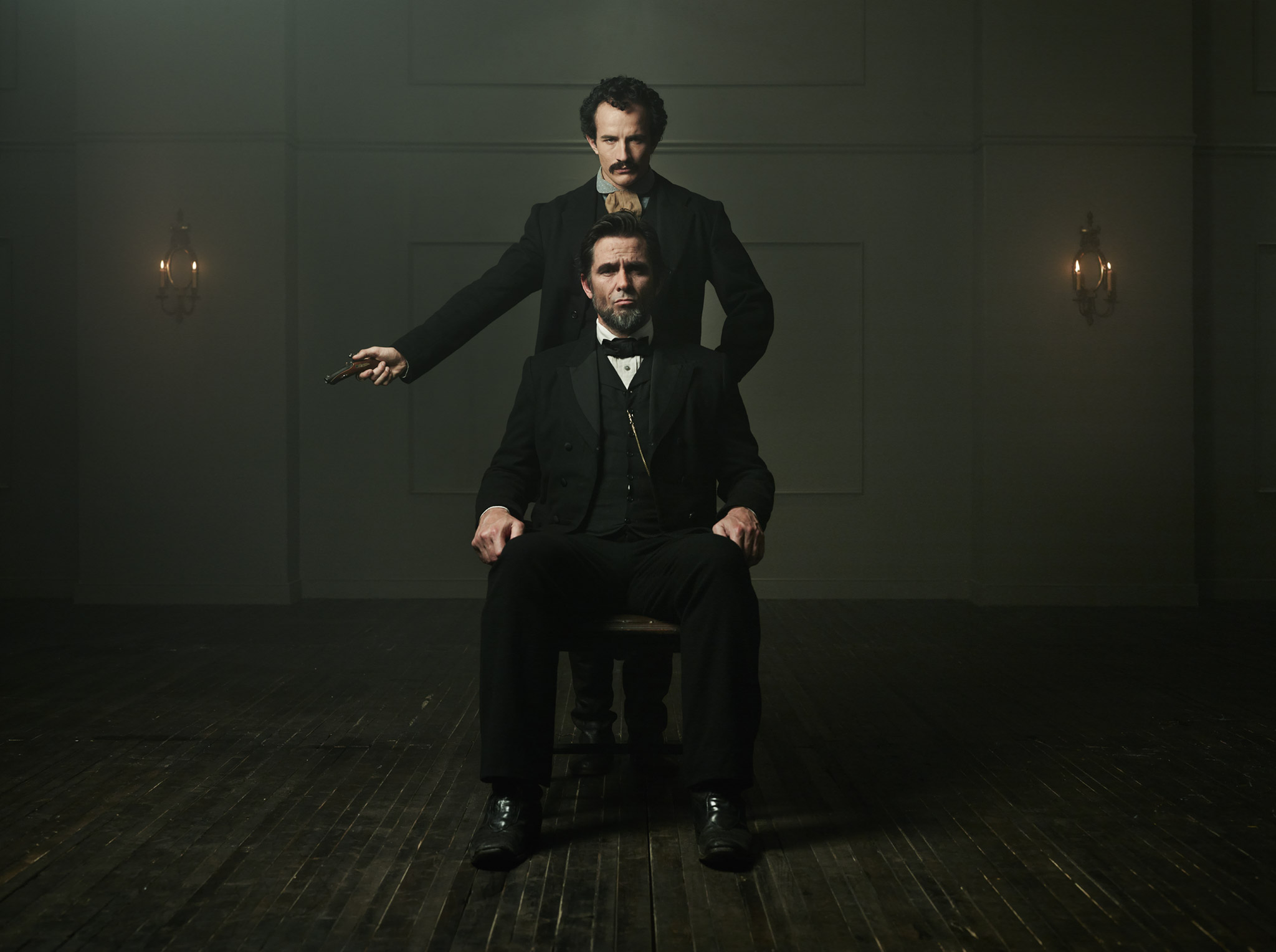
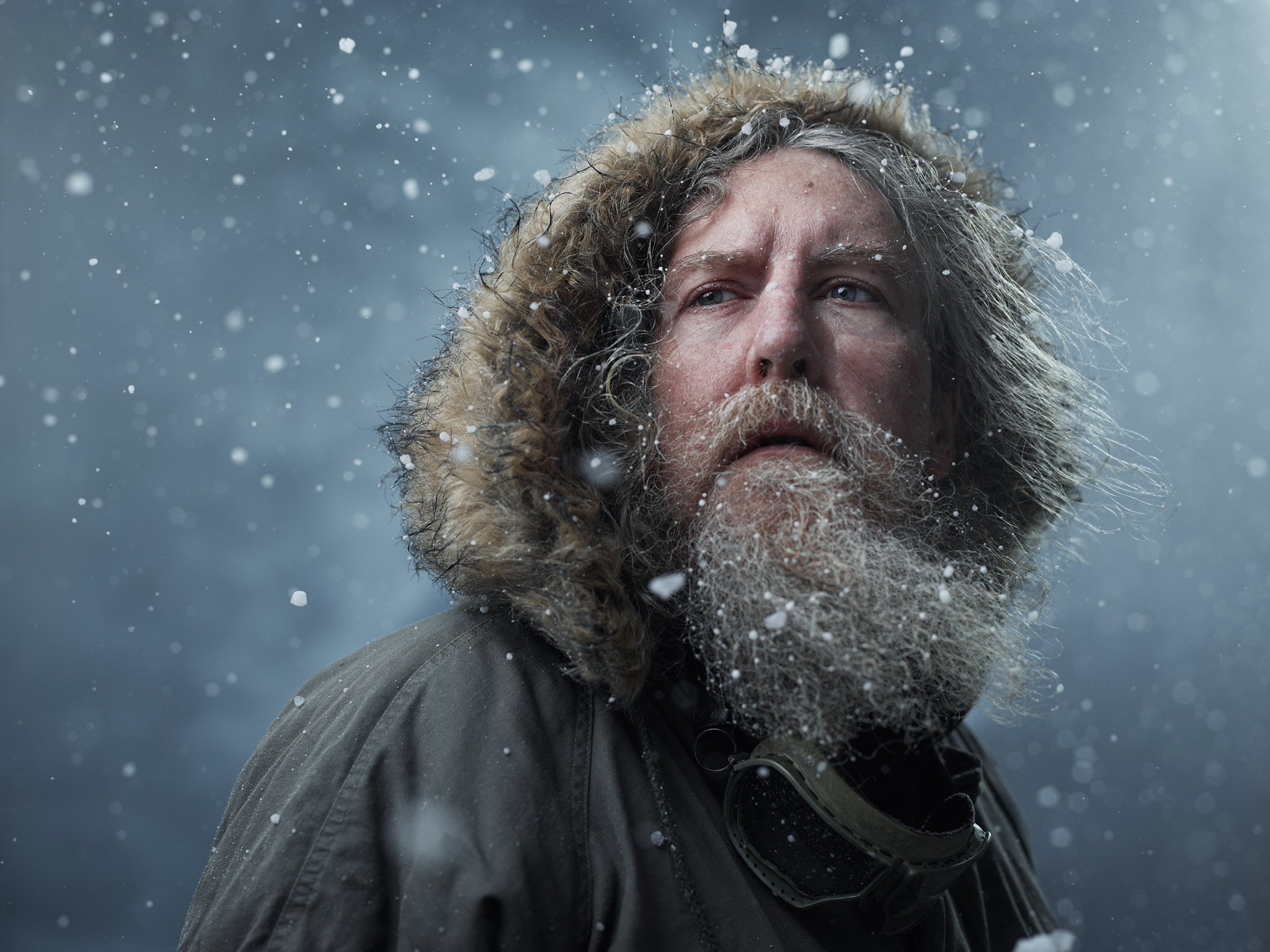
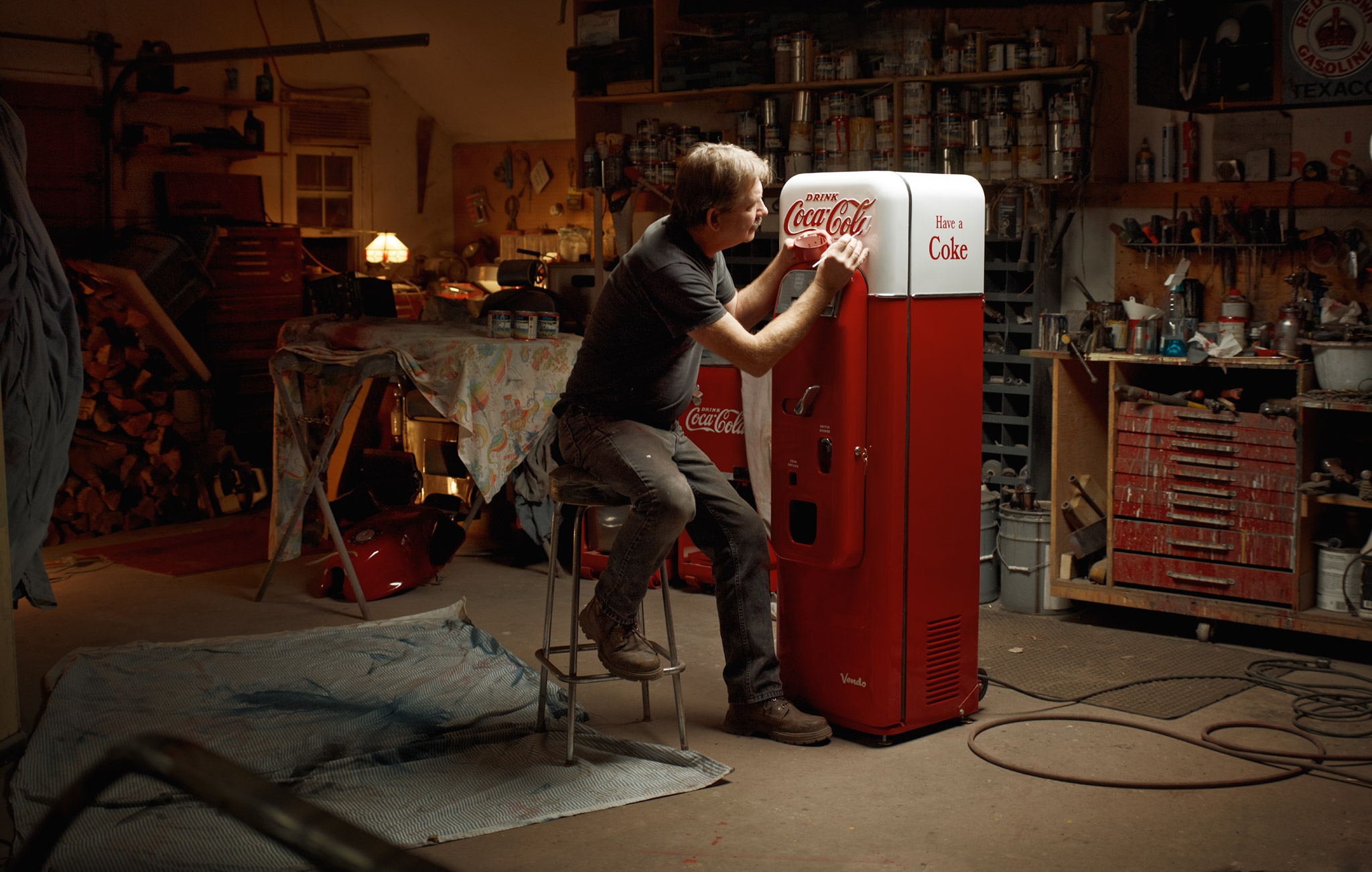
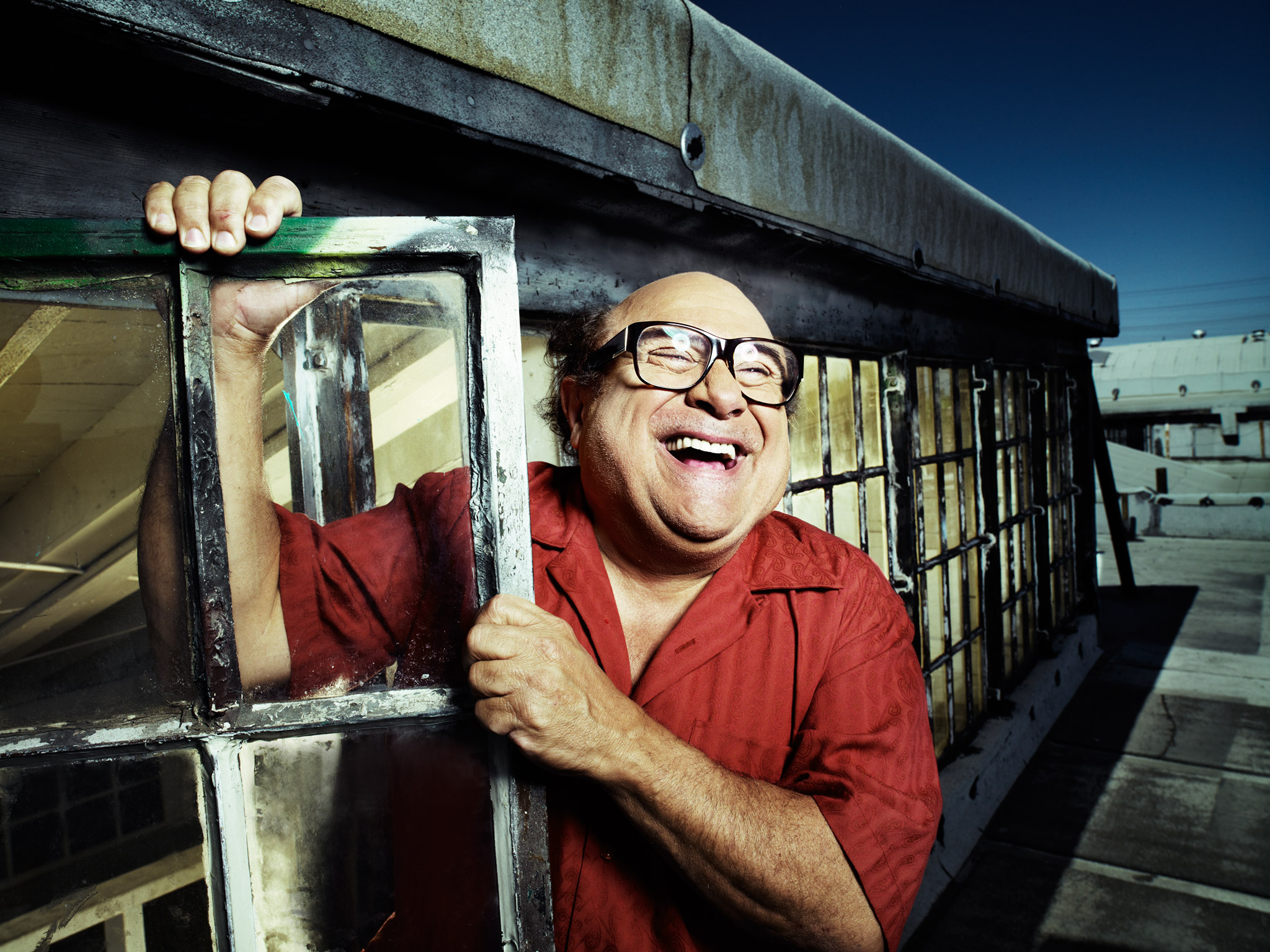
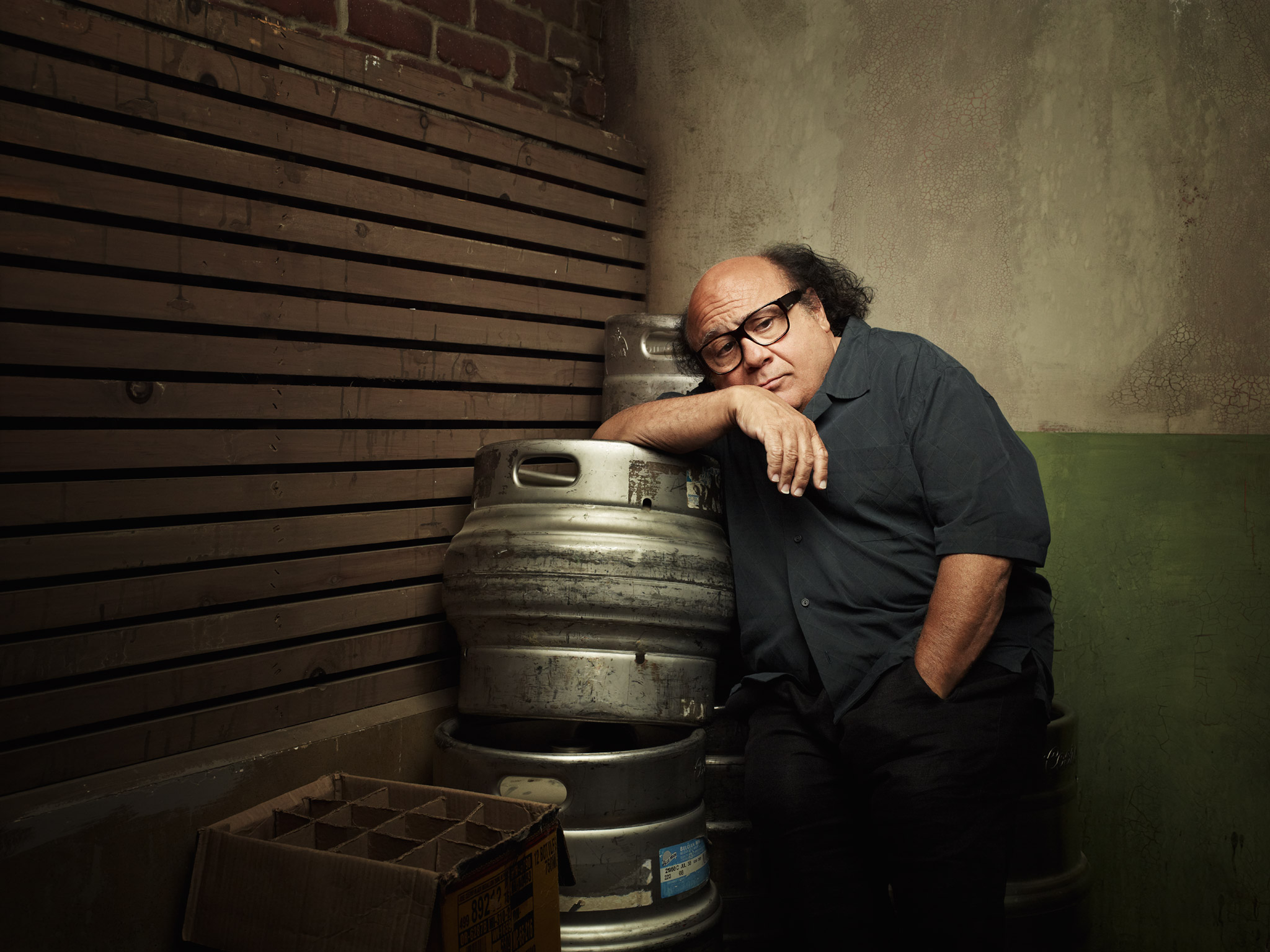
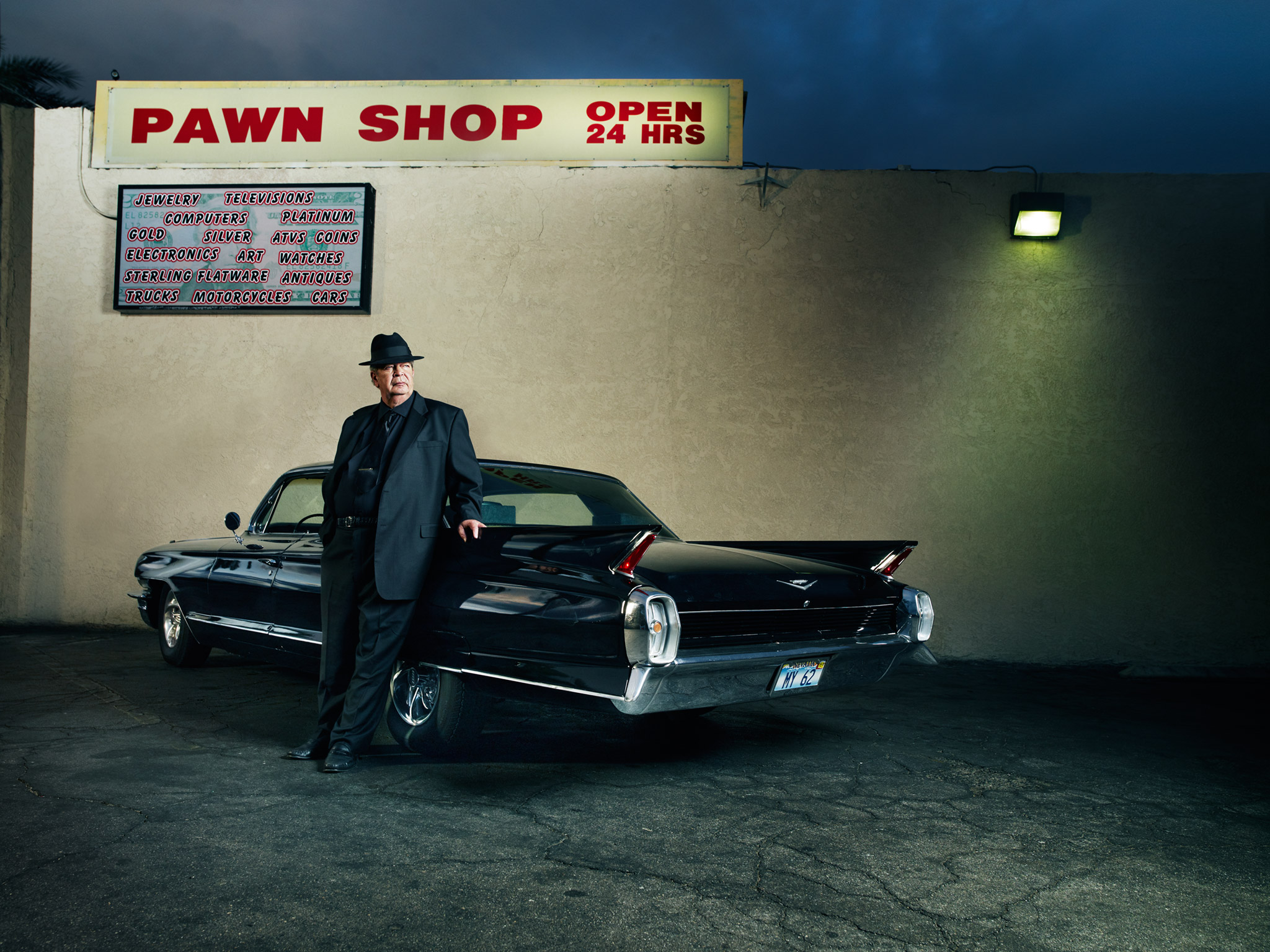
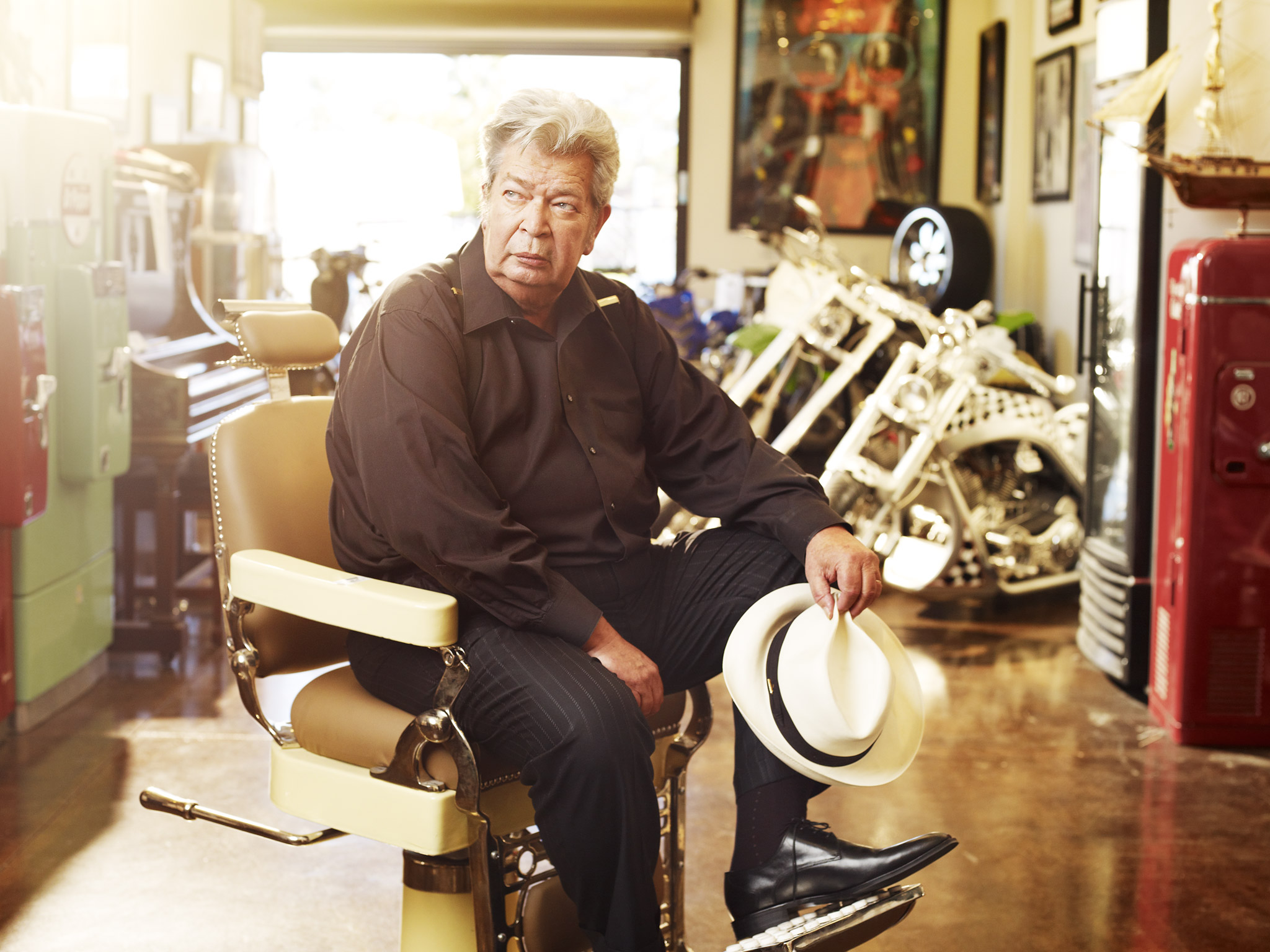
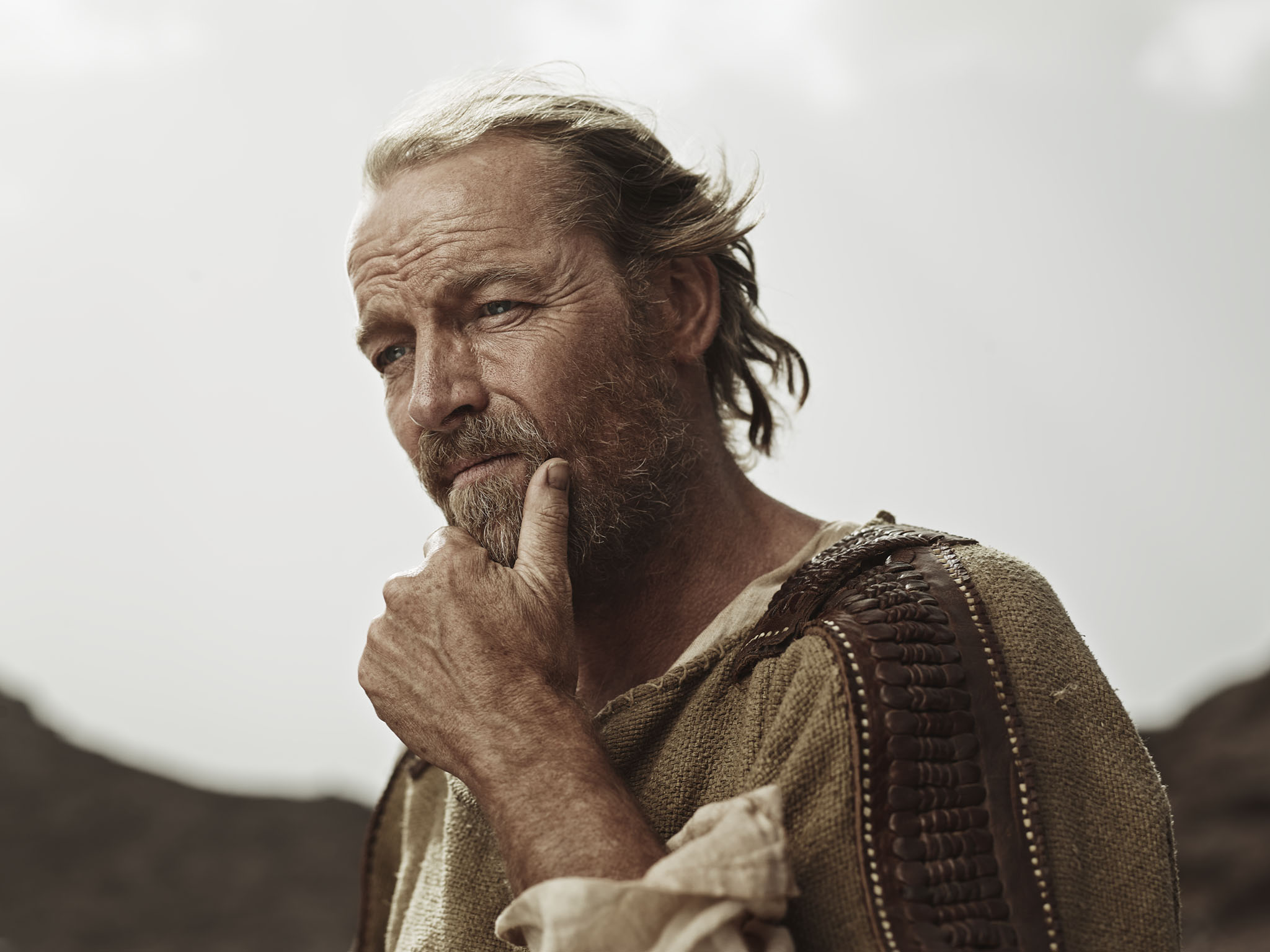
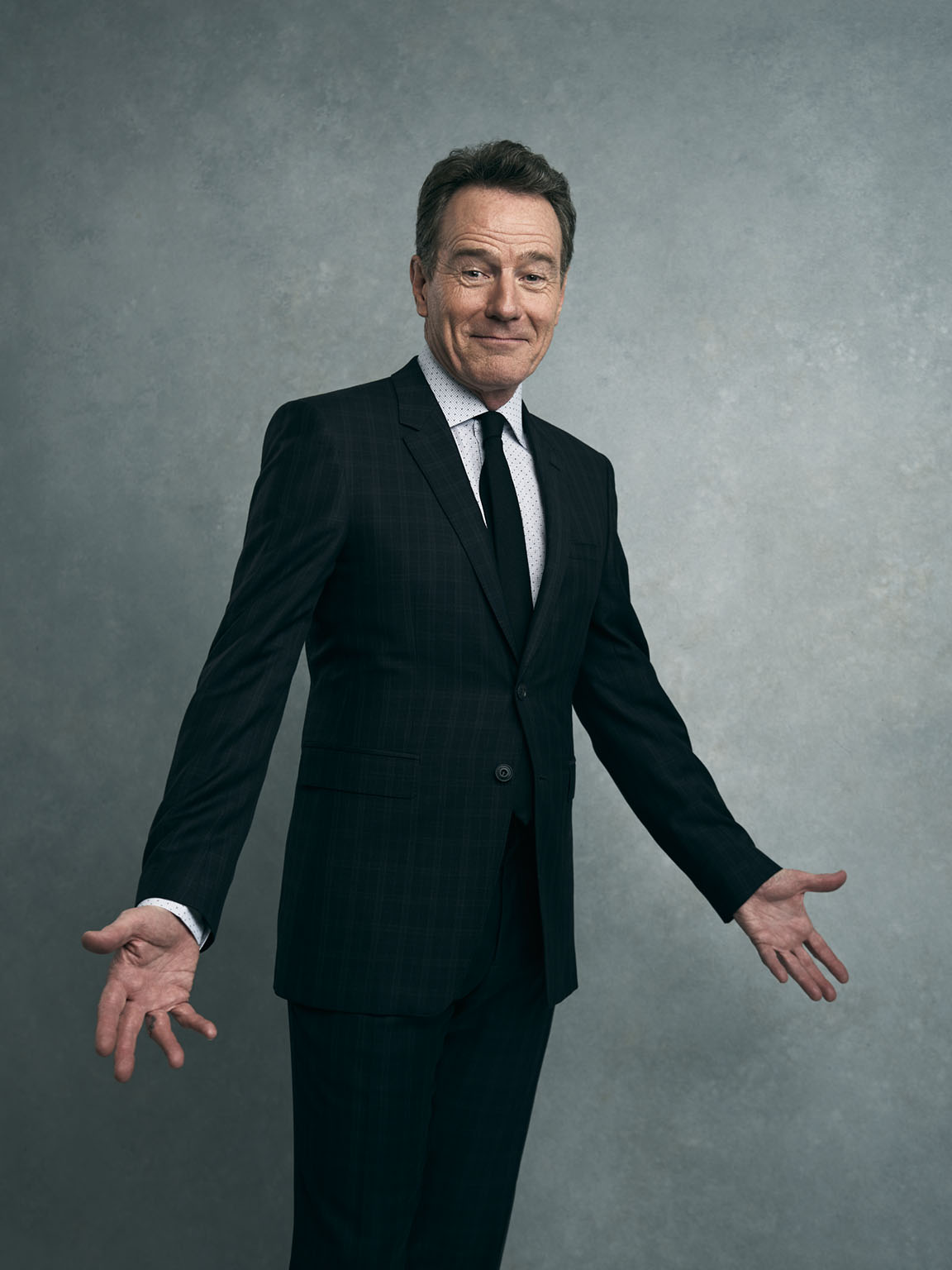
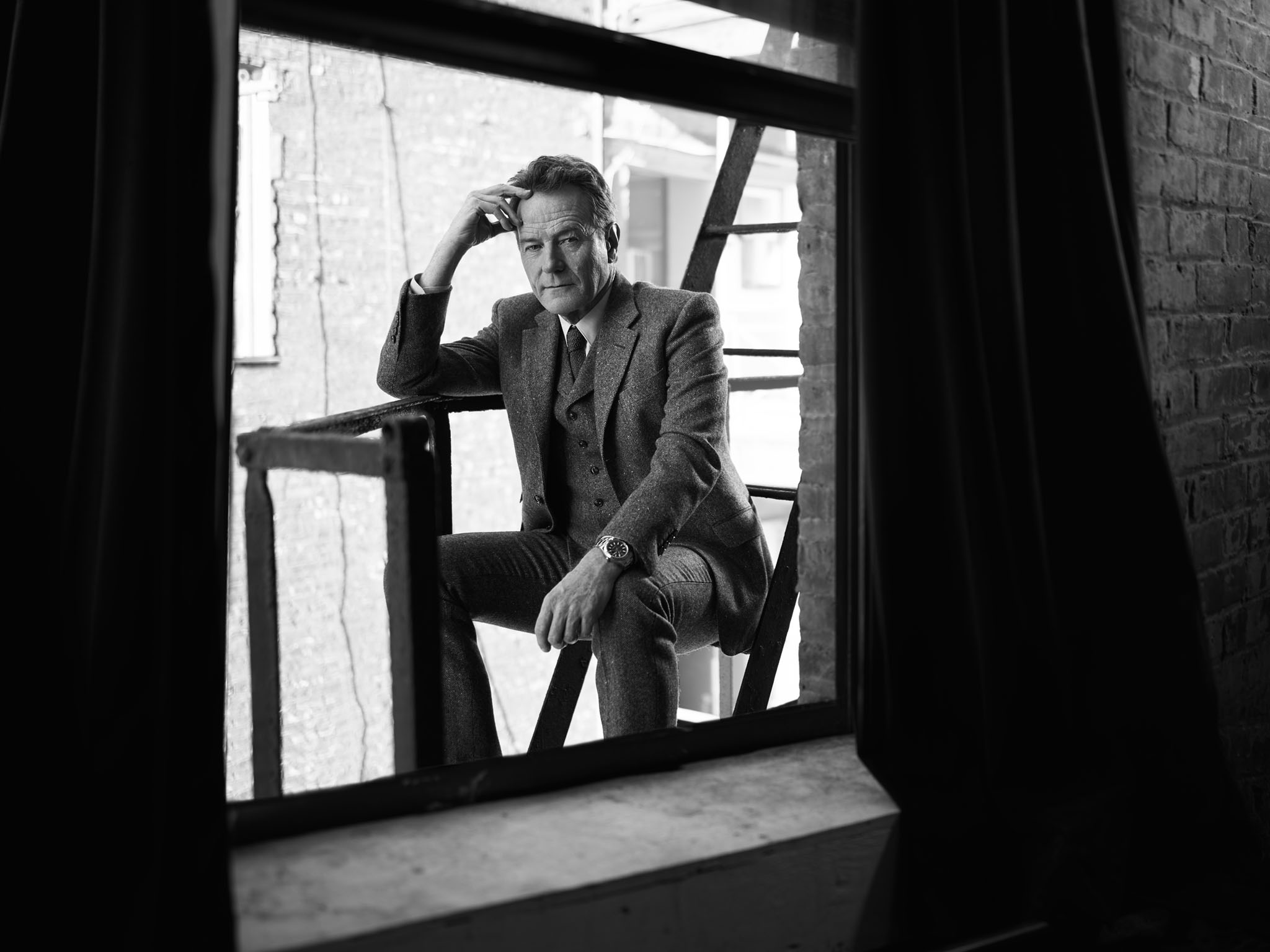
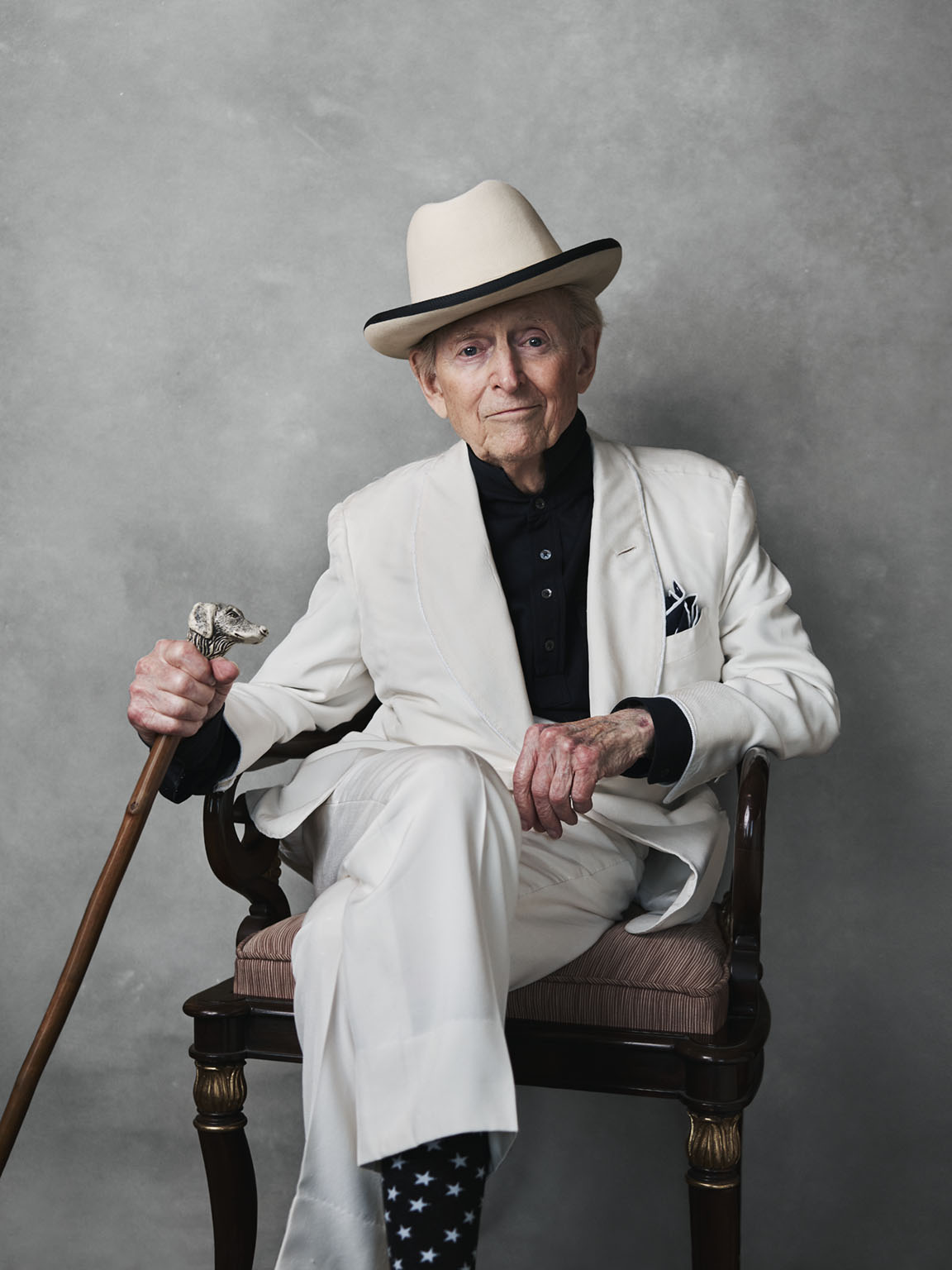
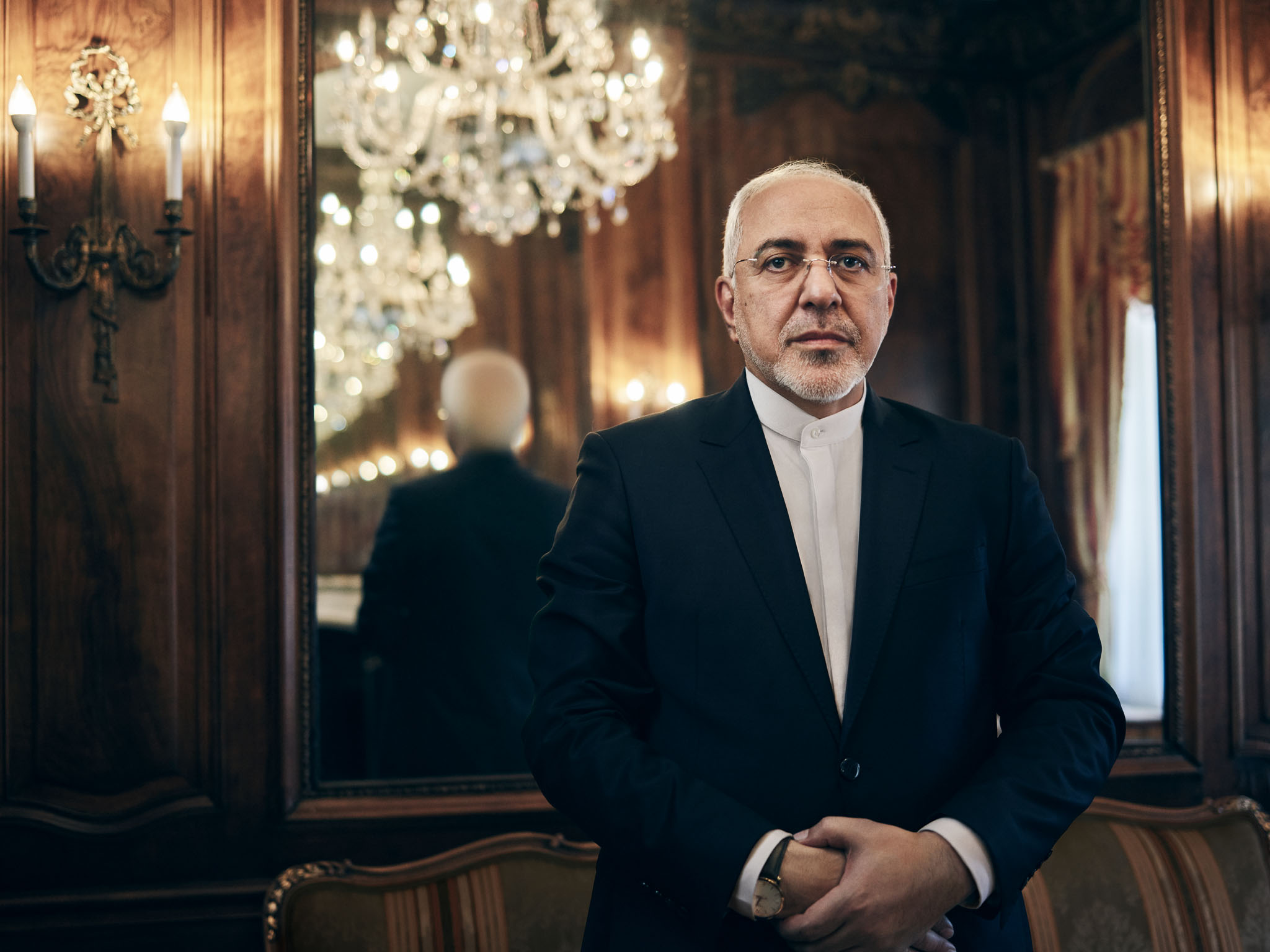
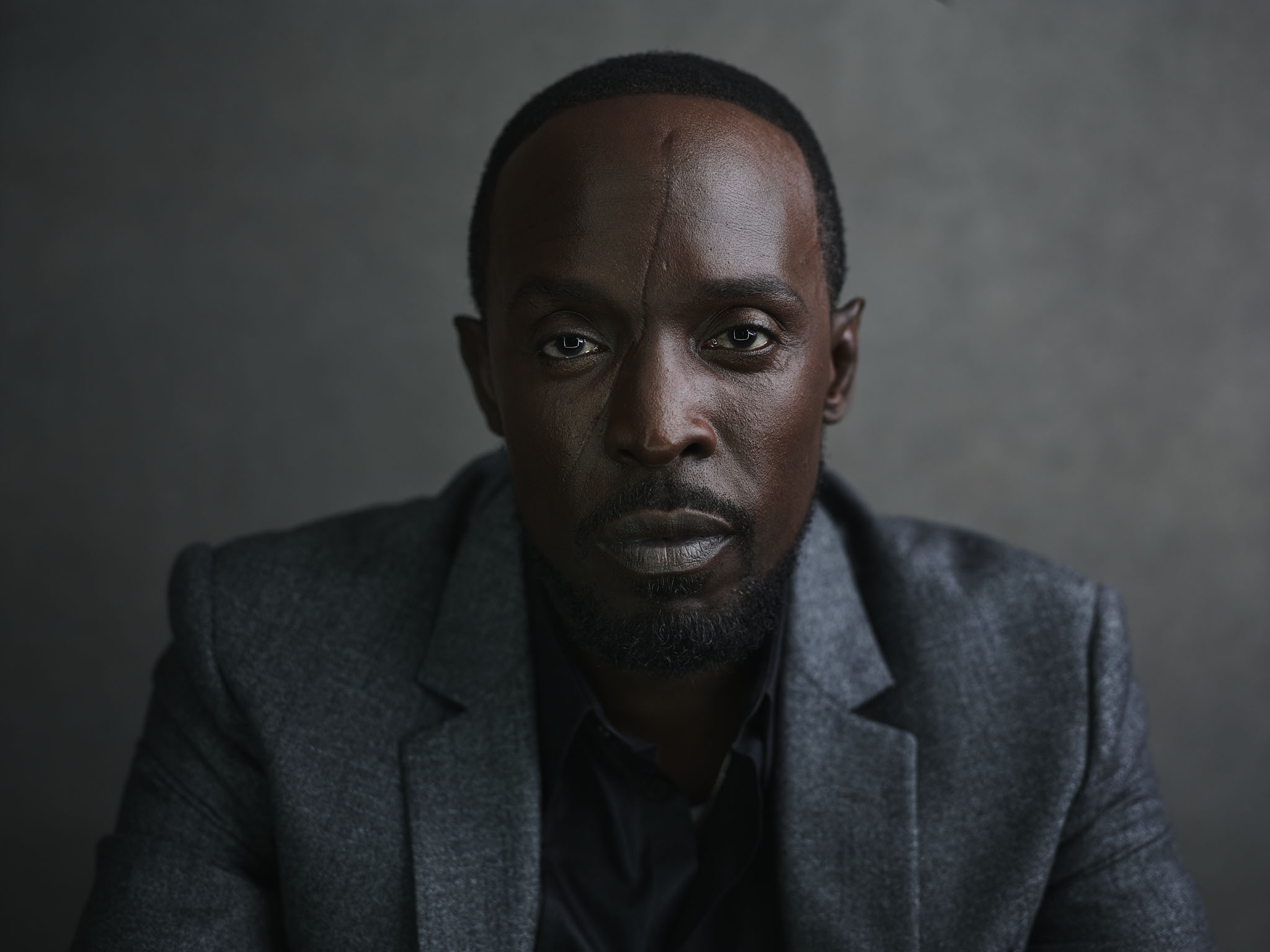
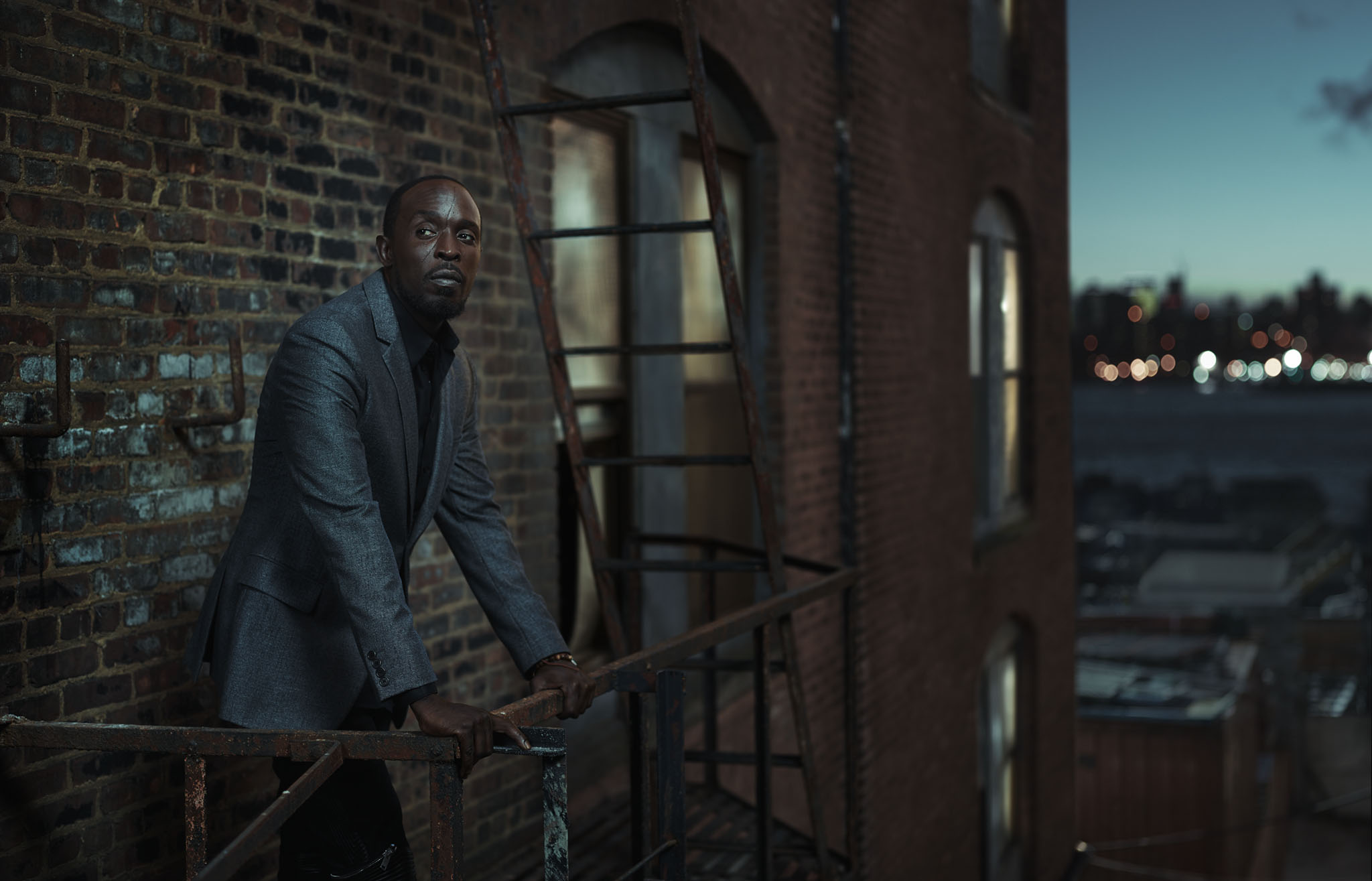
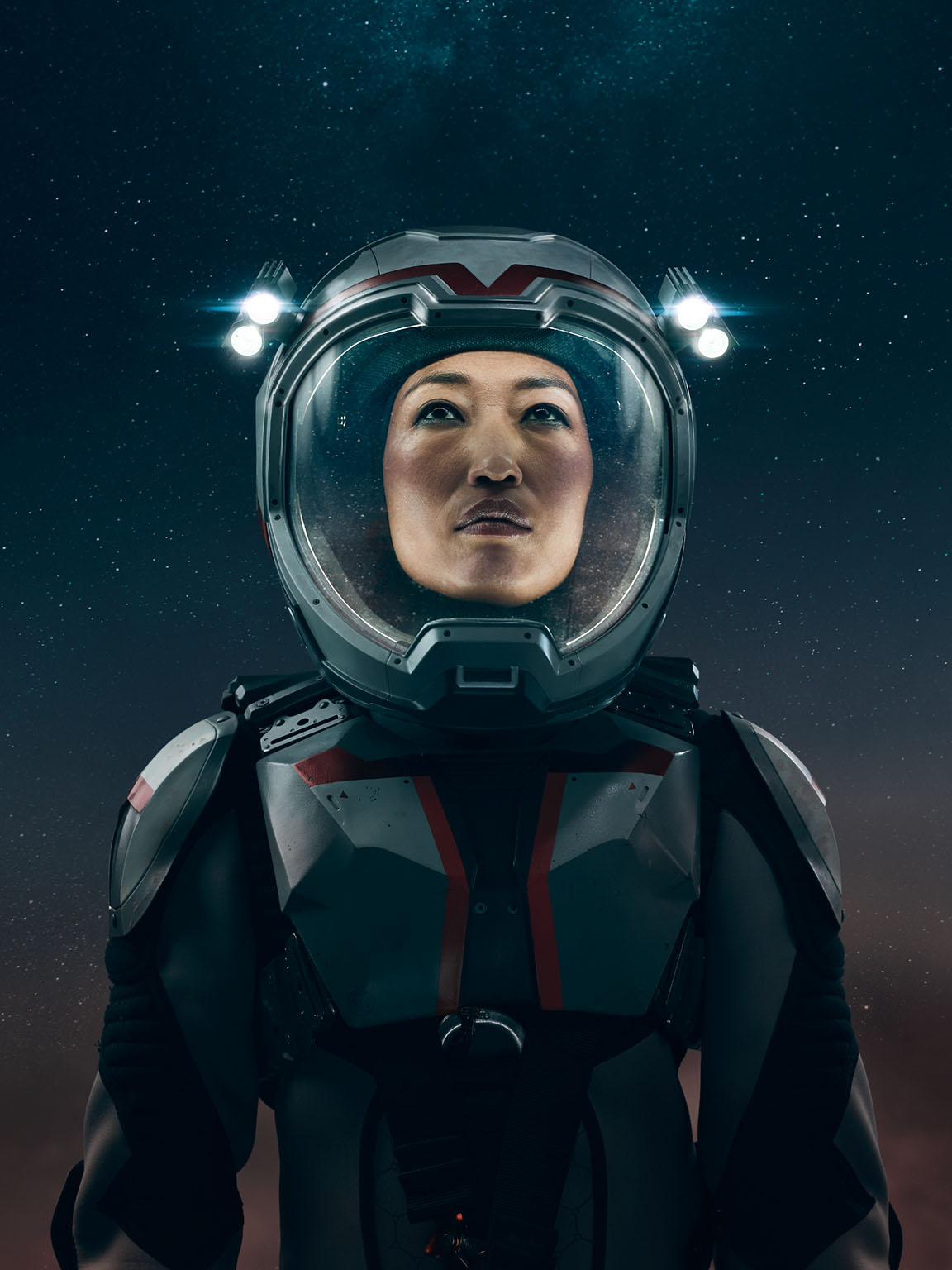
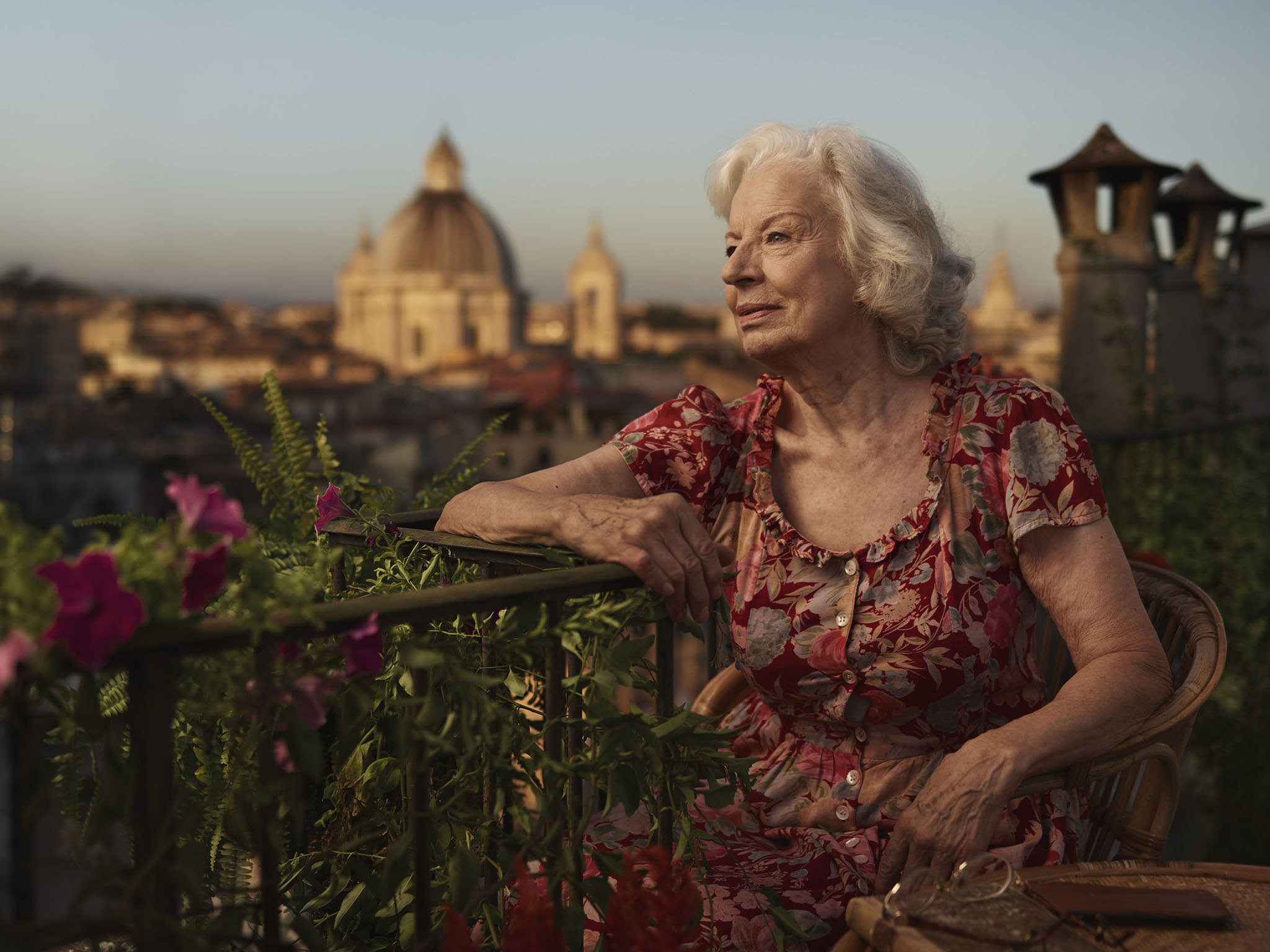
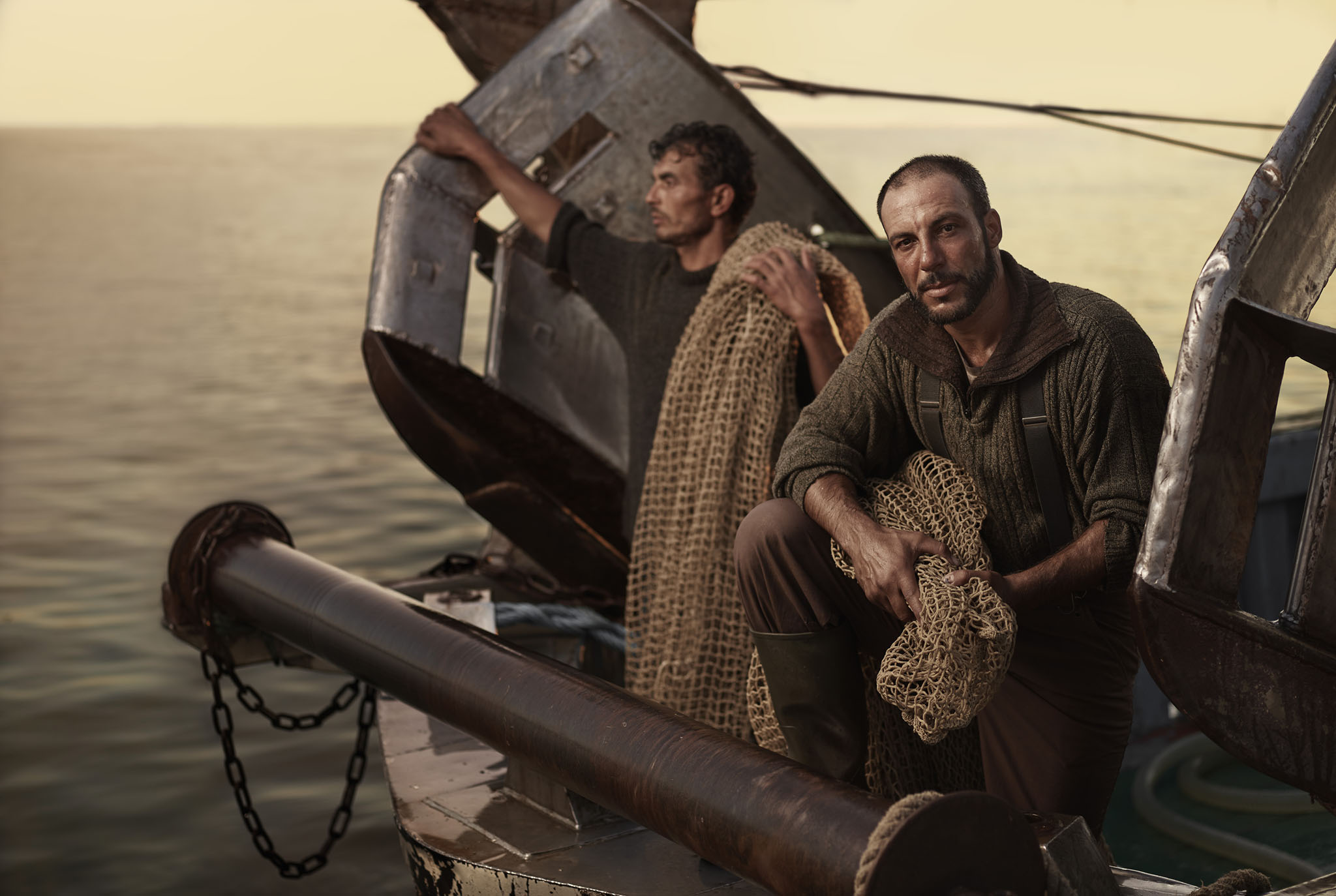
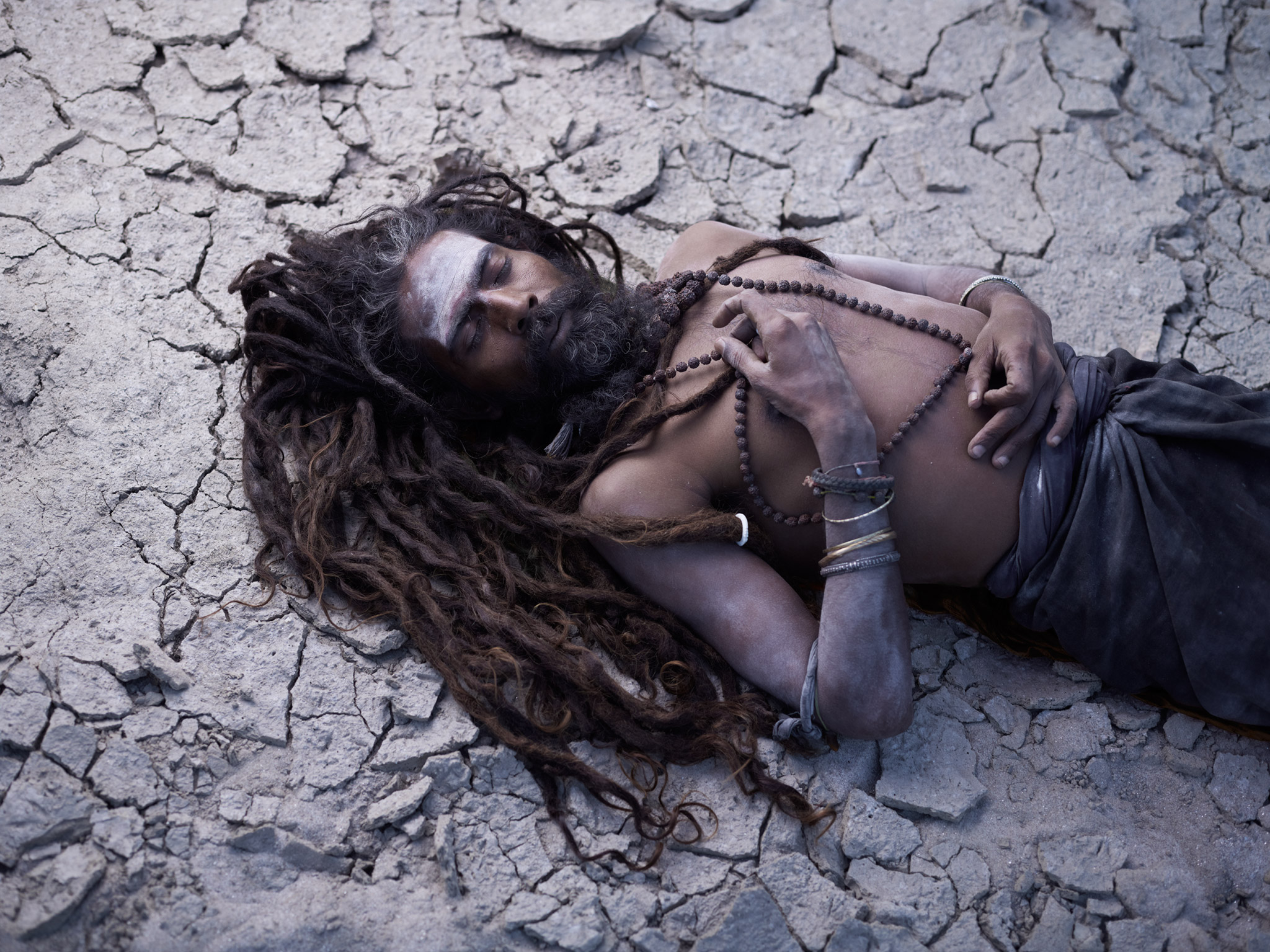
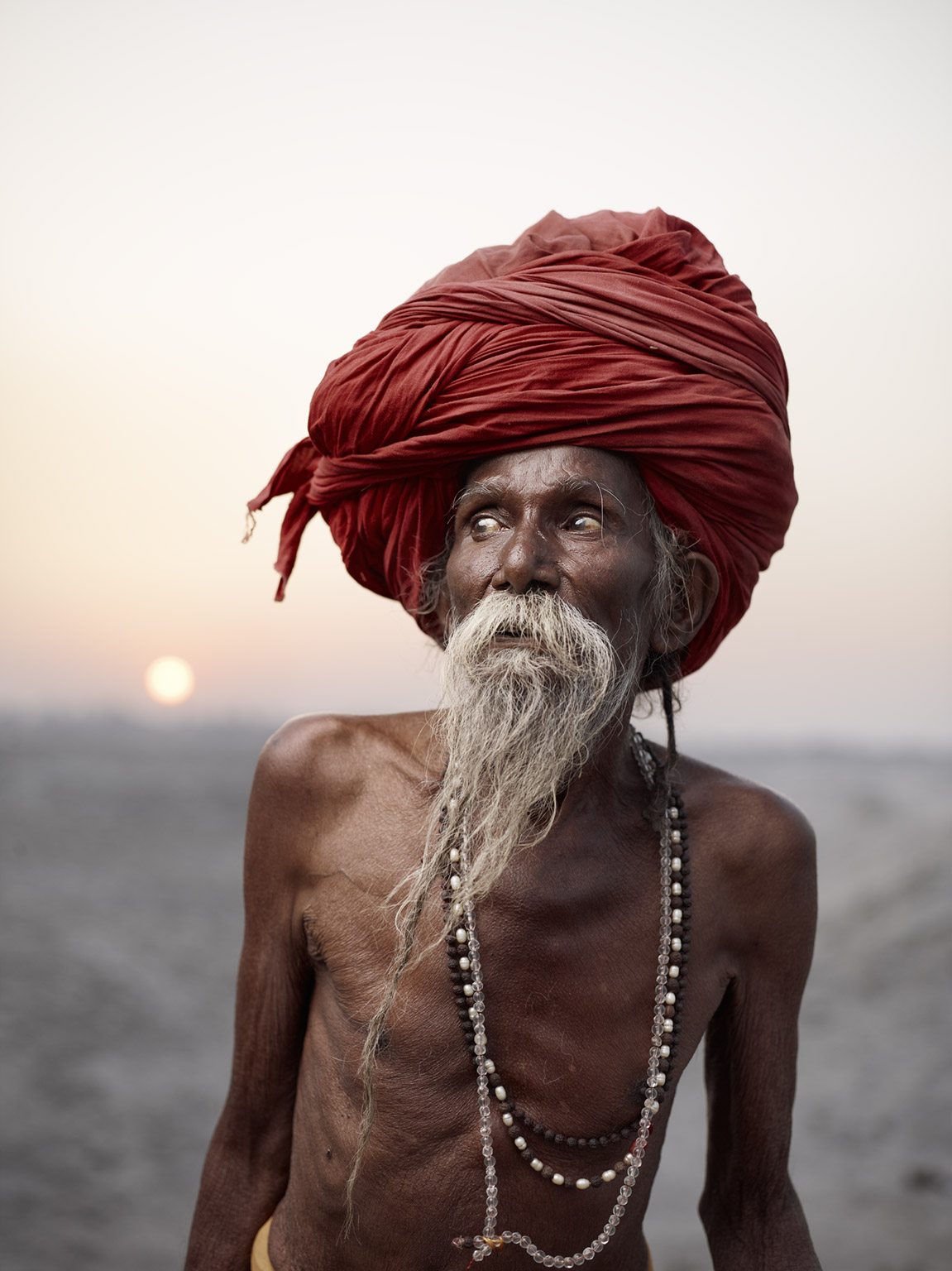
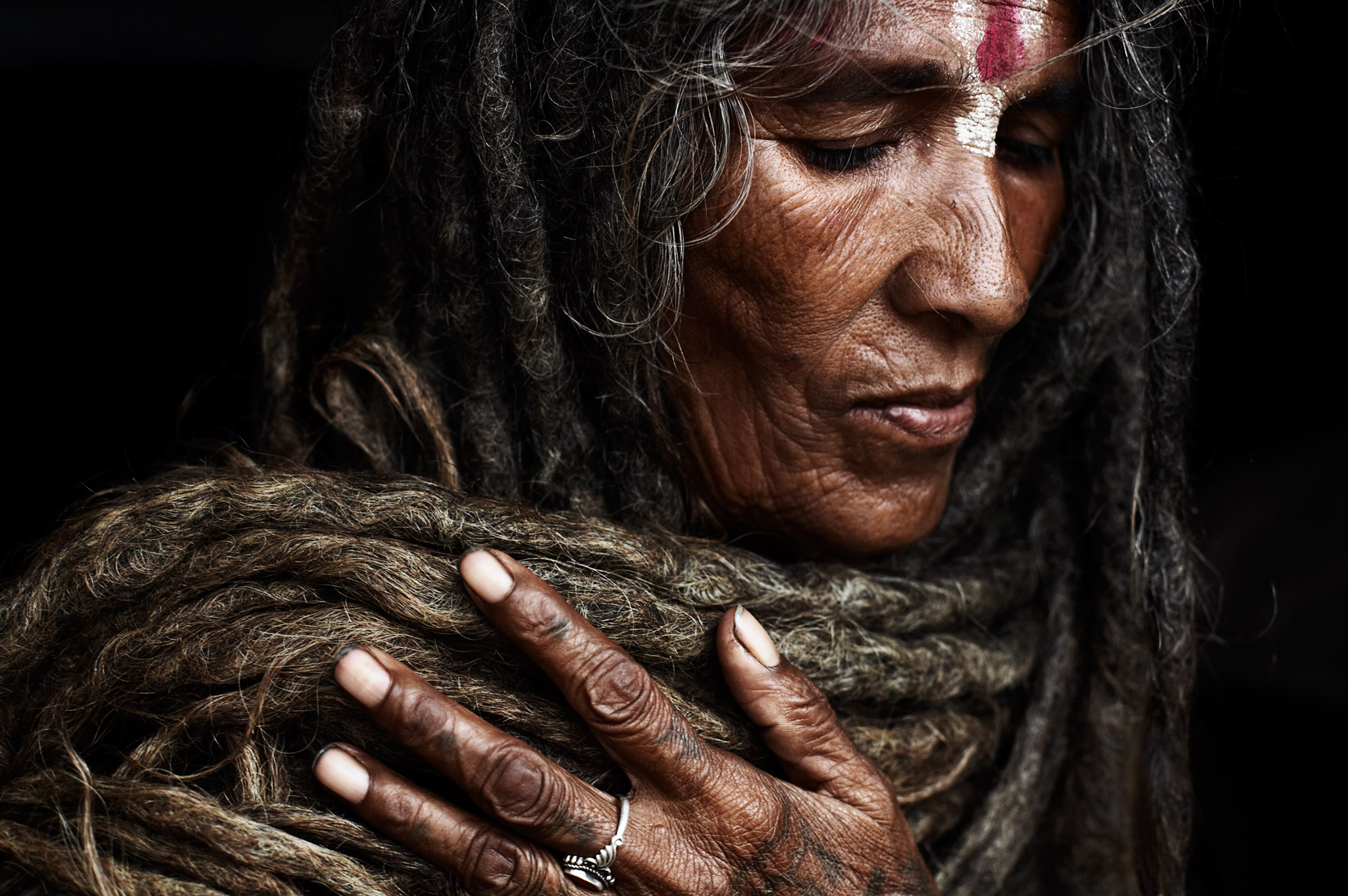
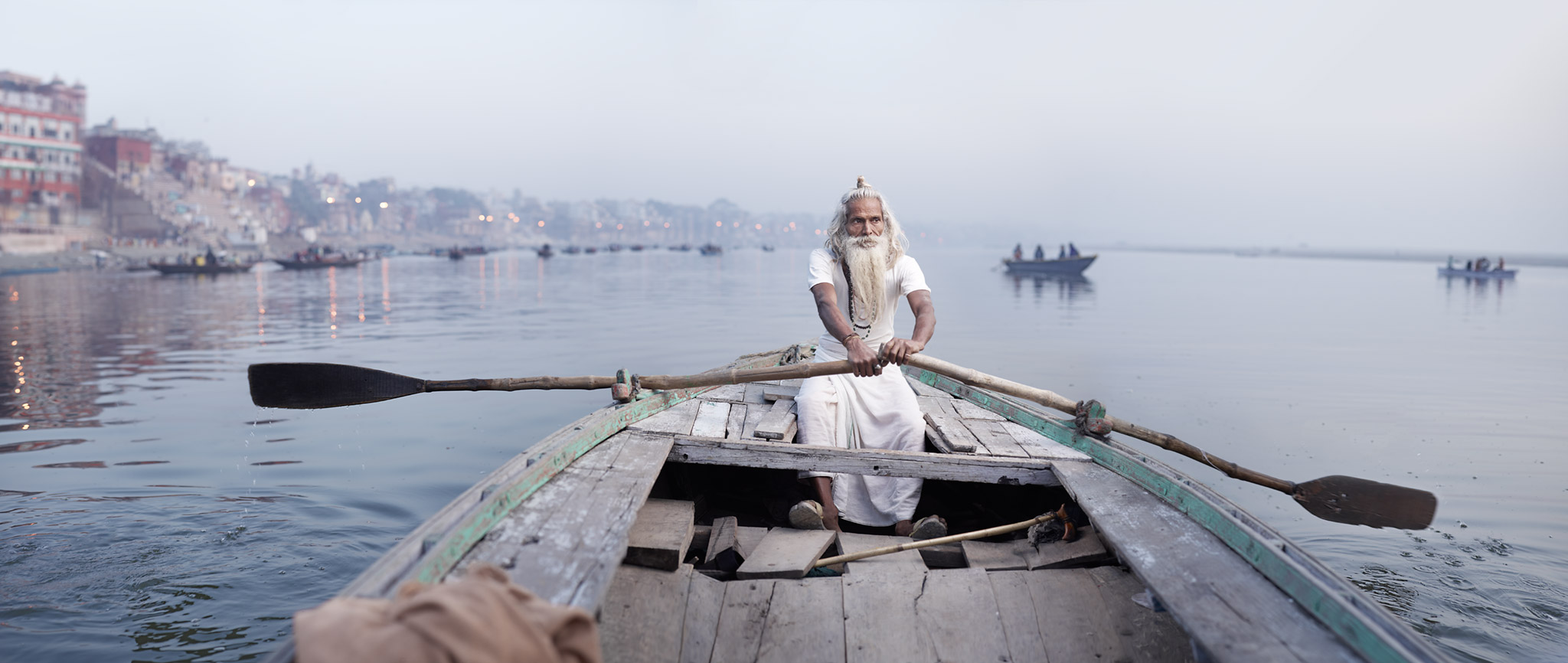
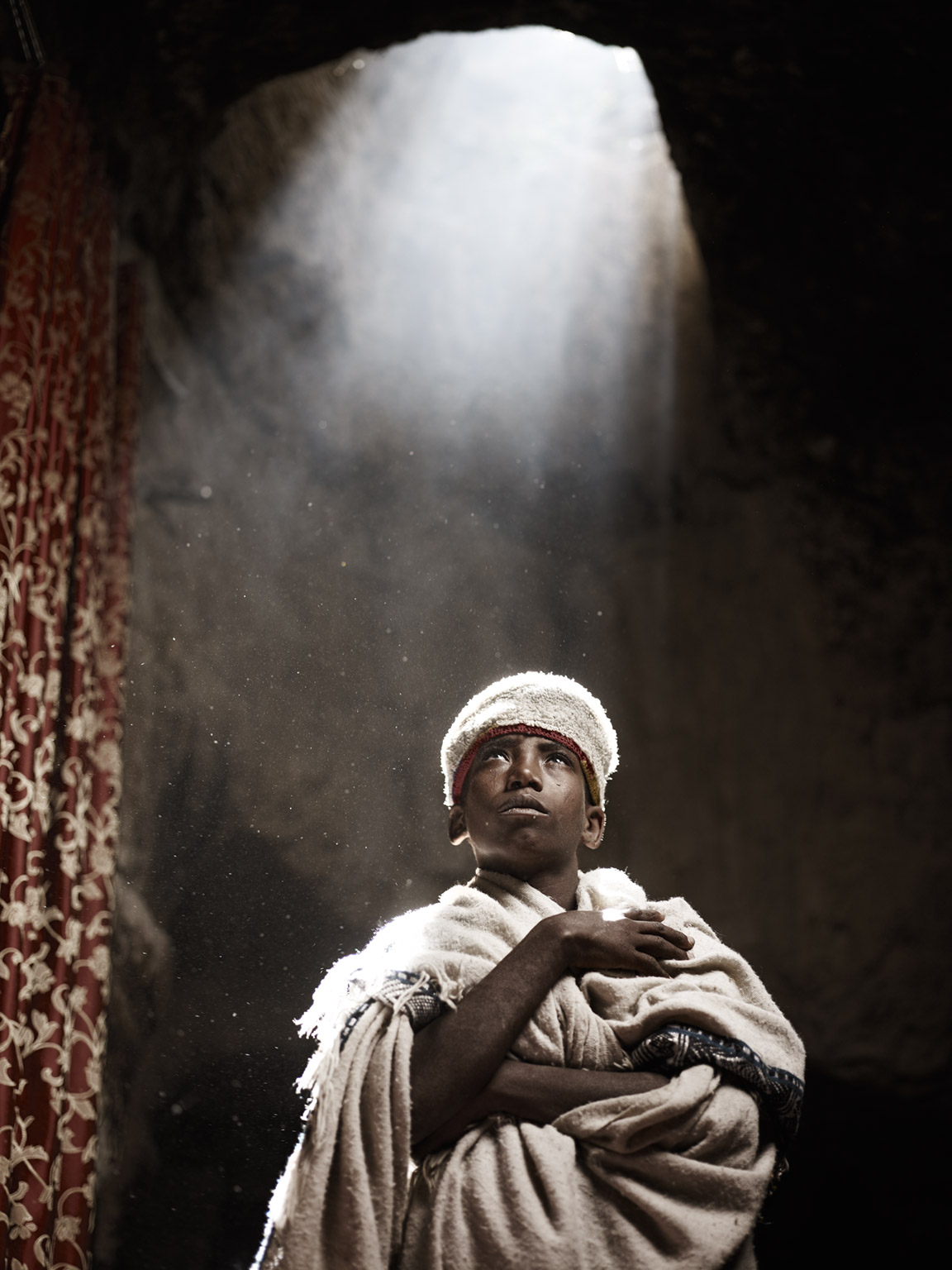
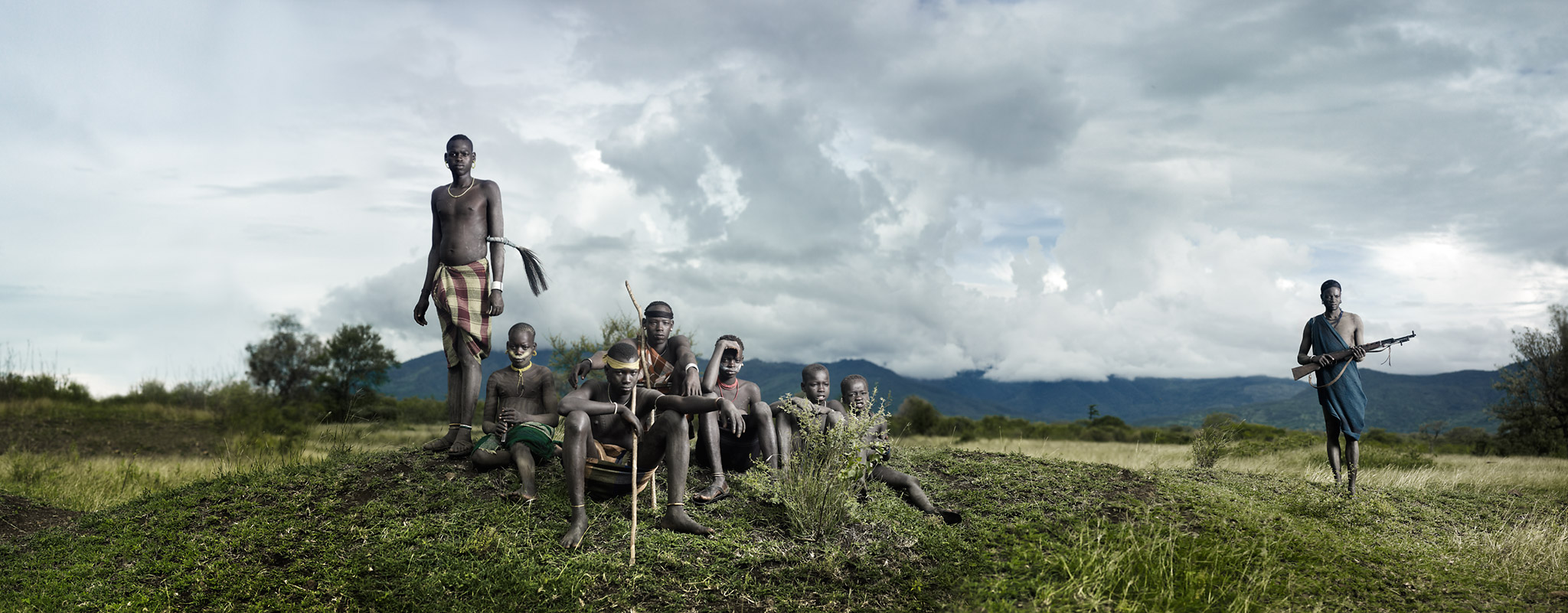
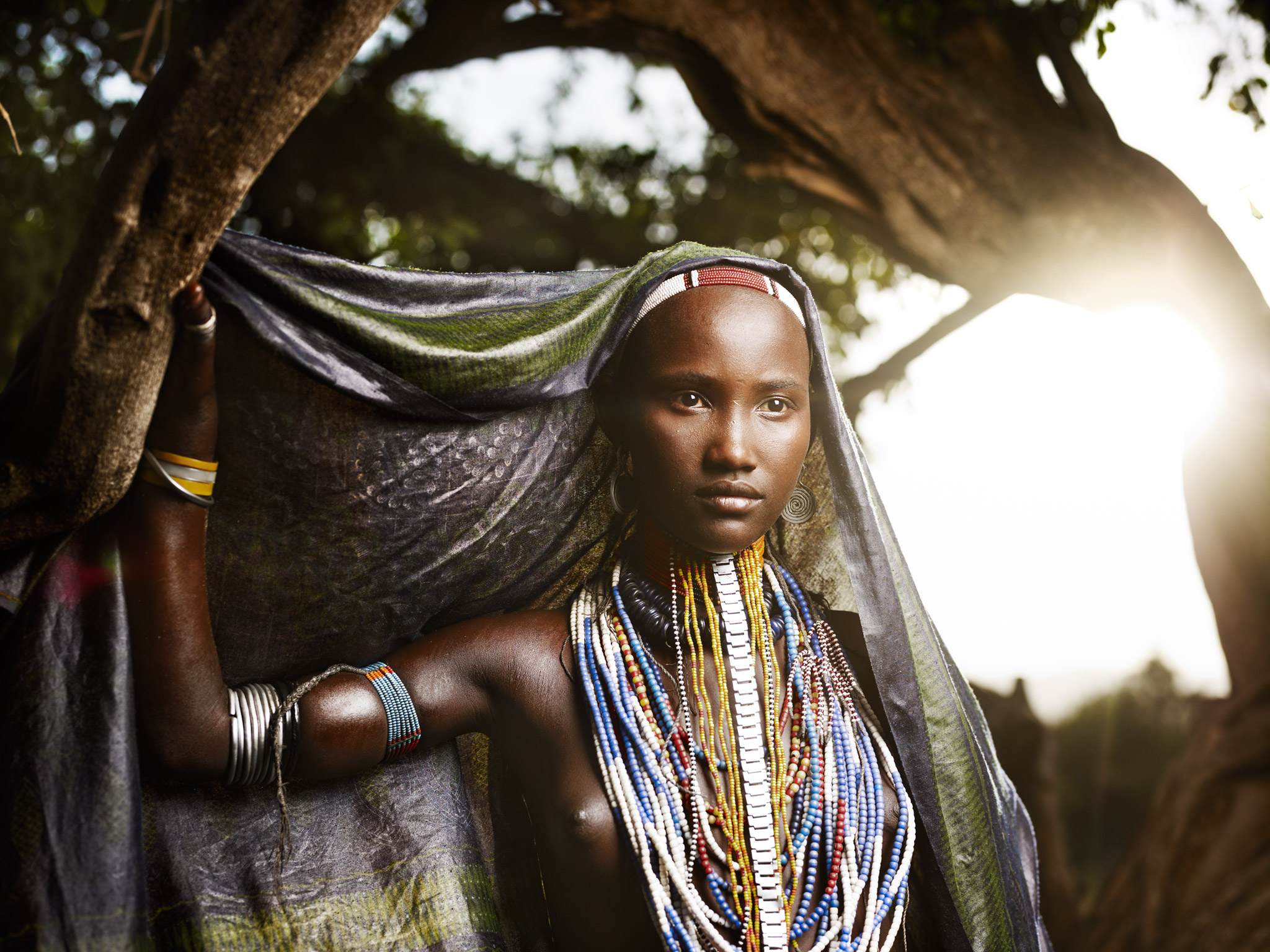
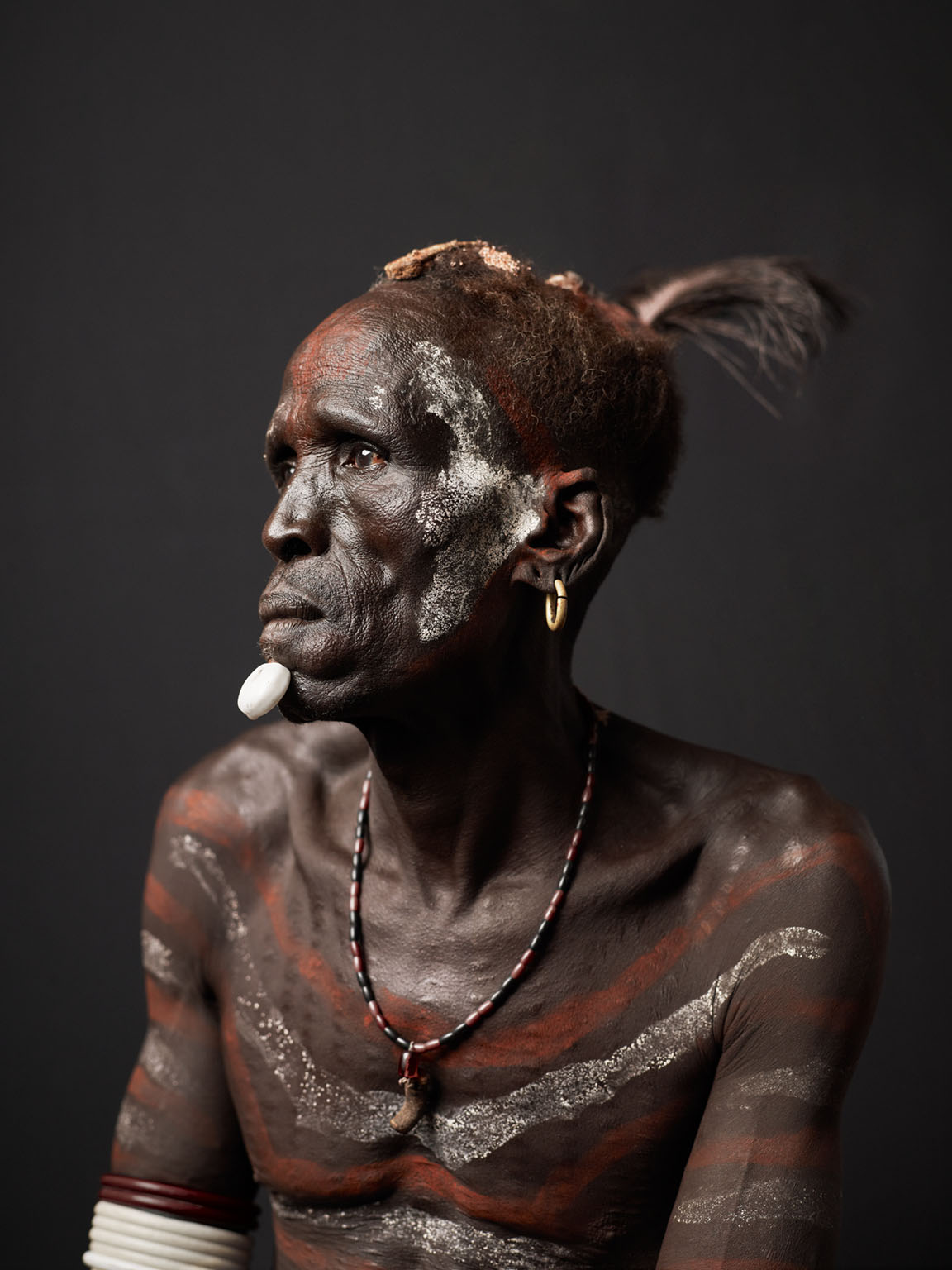
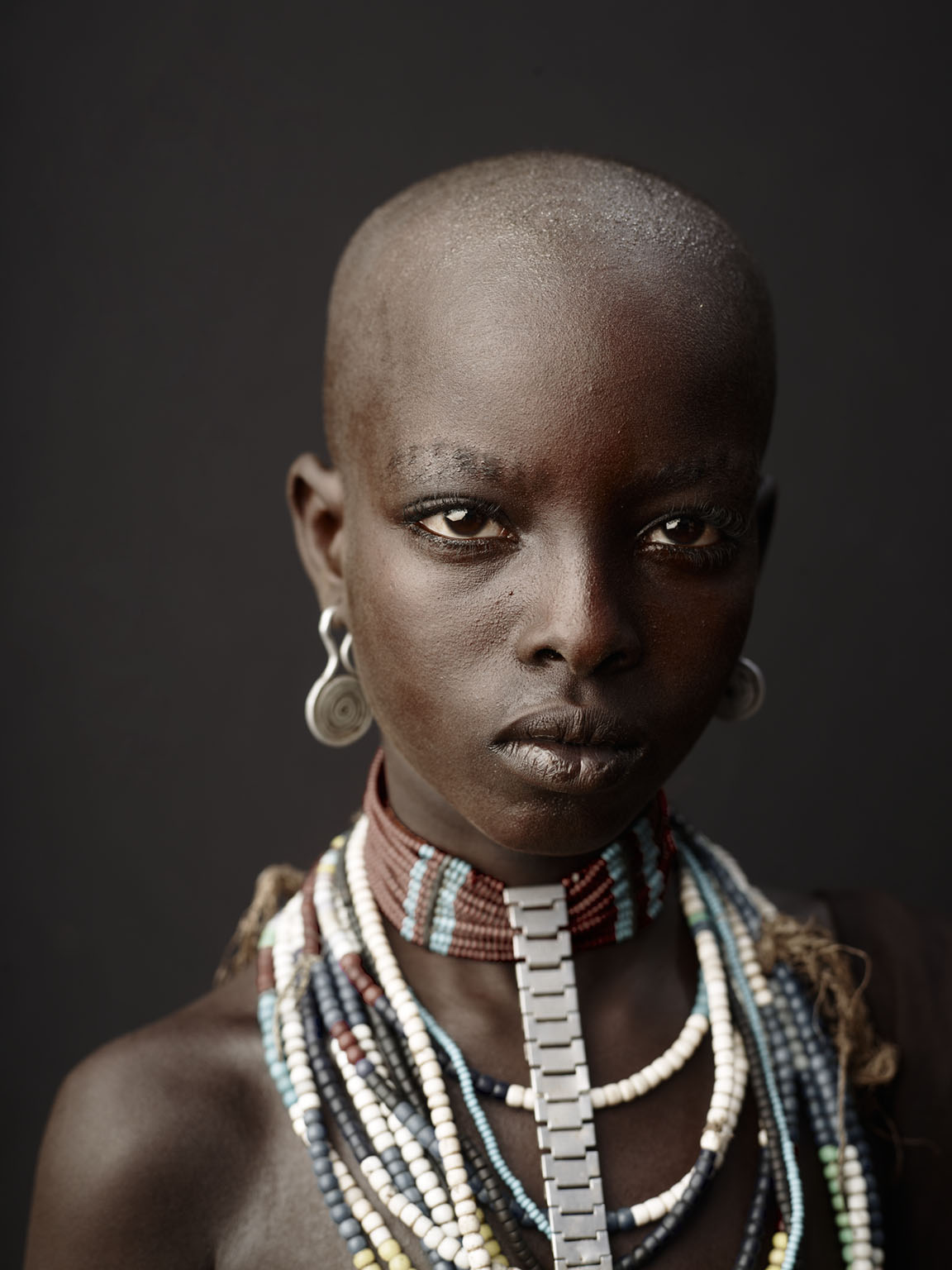
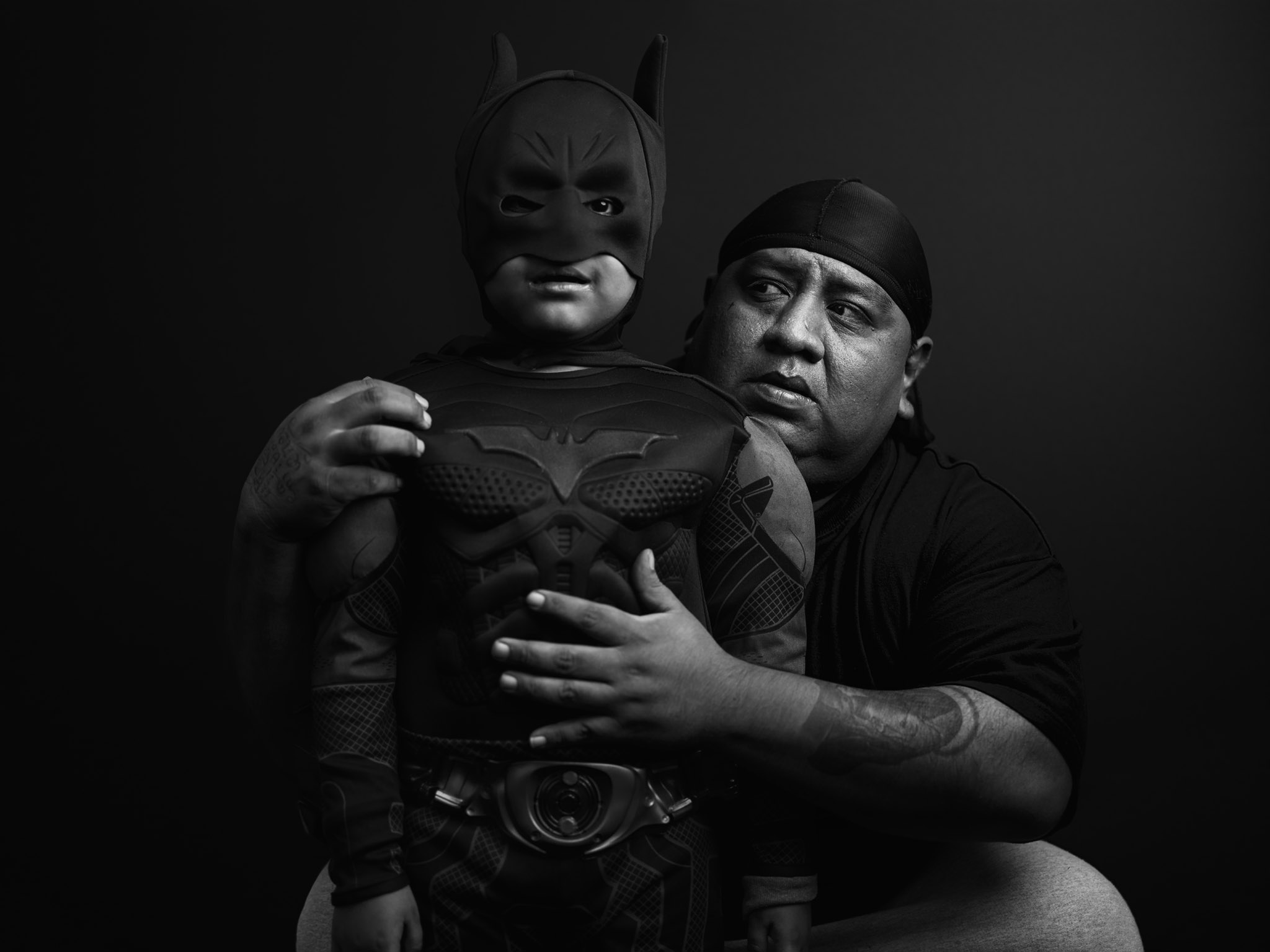
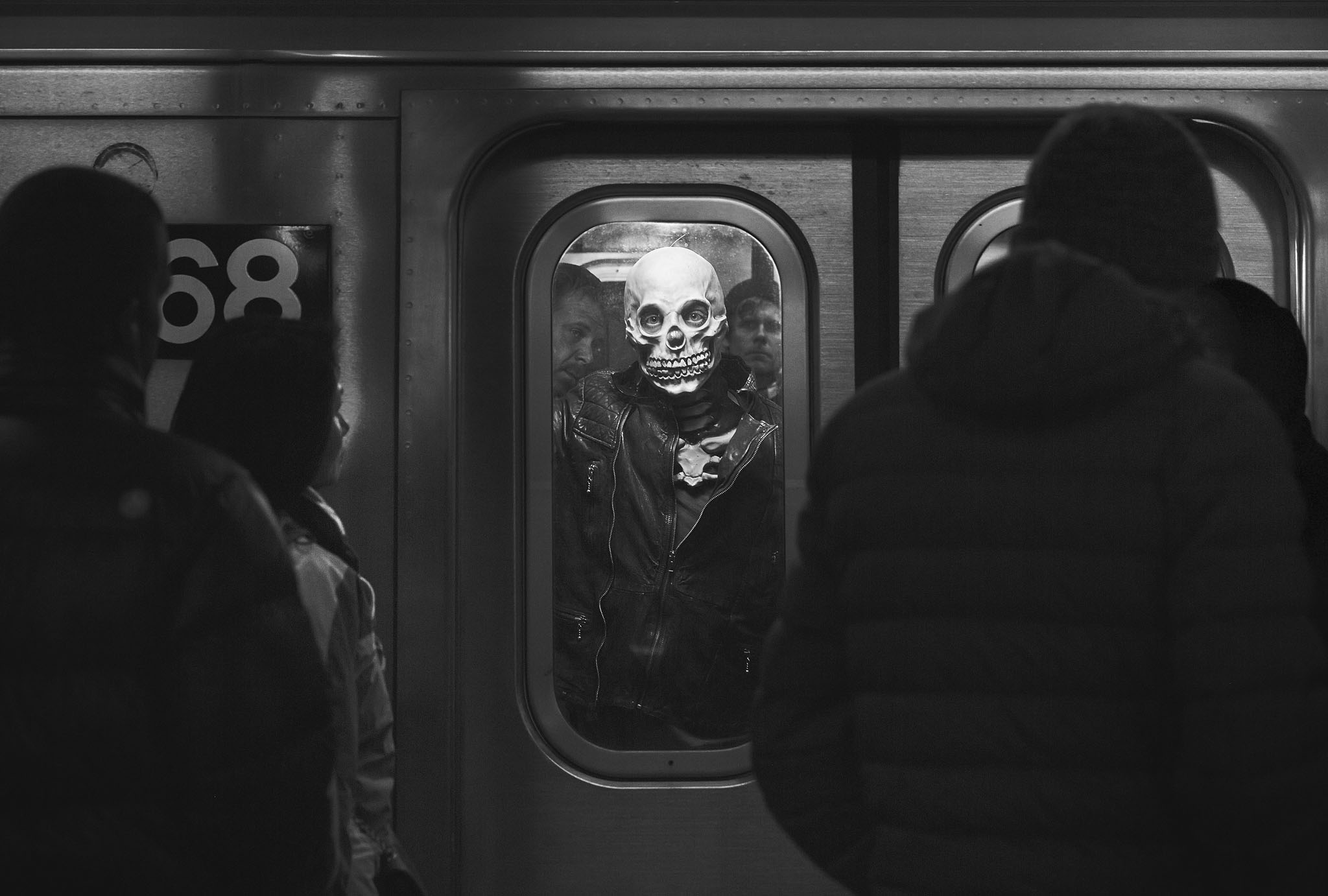
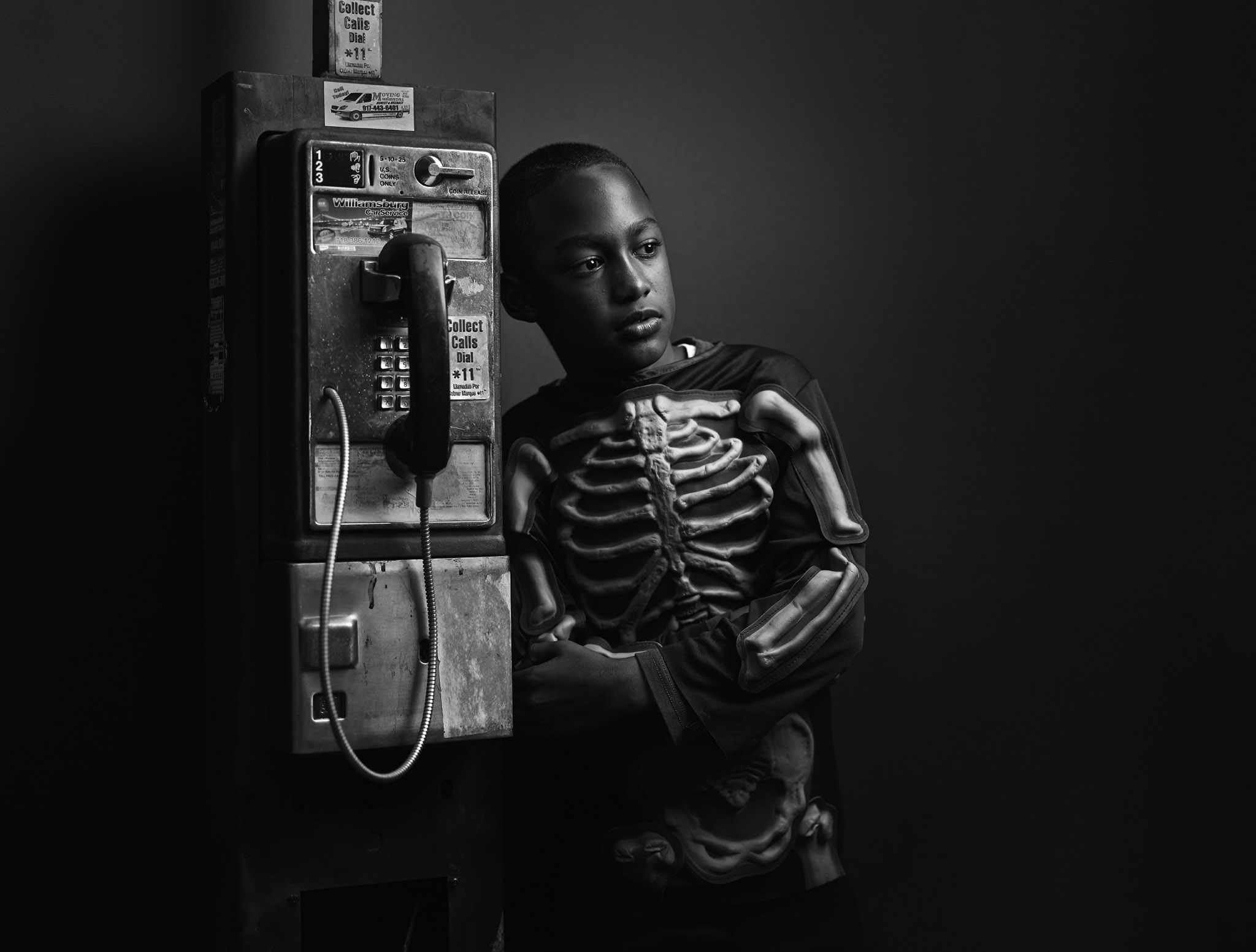
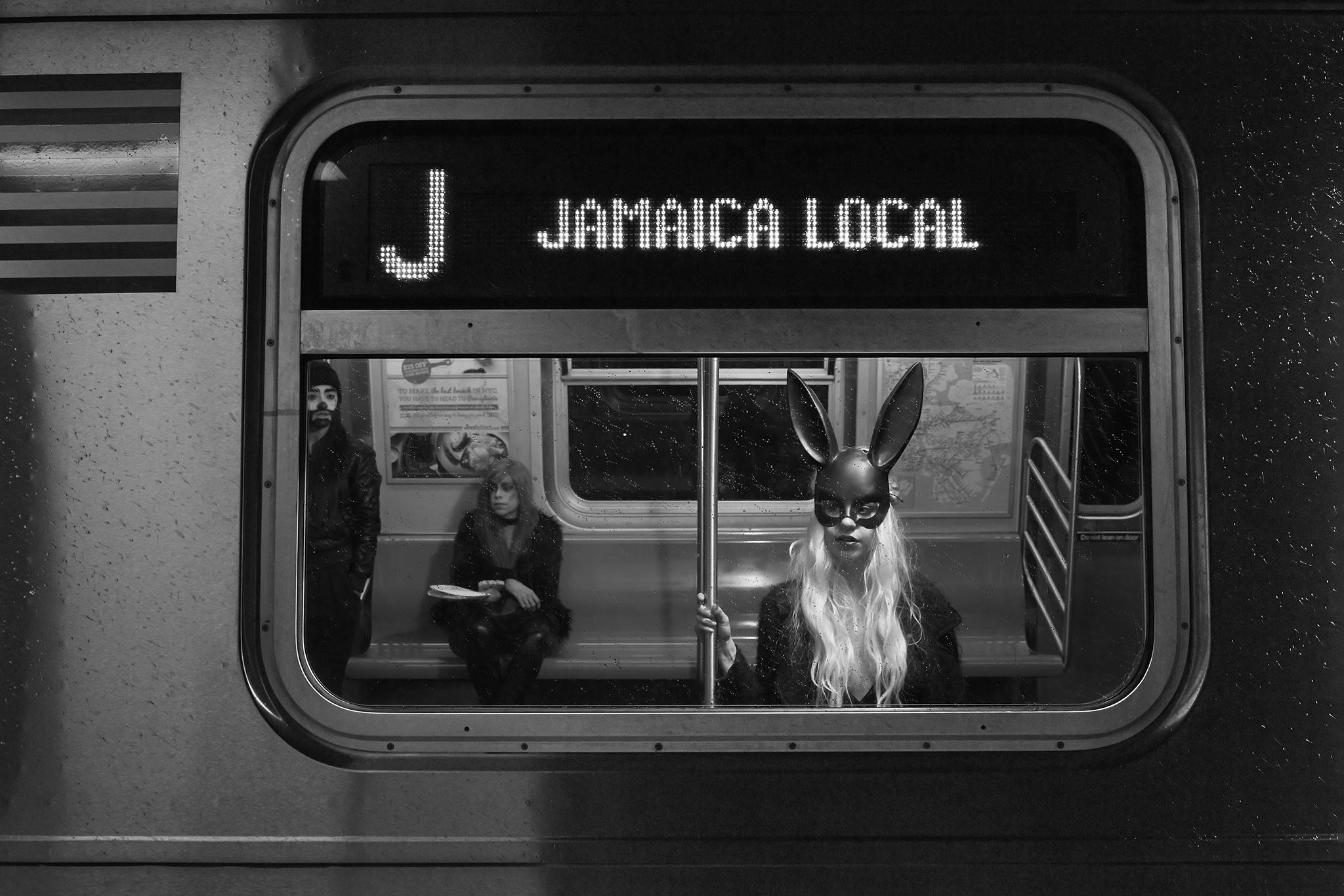
The fine-tuned collection of what I consider my best photographs is called a portfolio. It’s a slimmed down selection of what I feel represents what I do best. This can be completely digital, or presented in print. There is absolutely no denying the power of a portfolio website, but in this blog I will be focusing on the importance of creating a photography portfolio book.

Whether you’re a photographer with a book full of tests looking for advertising work, or even a wedding photographer showing your work to a bride & potential future customer, you’ll want to present the work you’ve spent hours slaving over in the best way possible. The time I’ve spent revamping my portfolio through the years has been a learning experience, to say the least. Every time I show my work, I learn something new. What I’m going to share in this blog was all molded on personal experience, so it doesn’t work for everyone. However- I will say that those years of both rejection and acceptance has helped me grow as a photographer.
Now, a lot of people are introduced to my work through my website. Initially, it’s a great way to share your work to a massive audience and it doesn’t require much work. Links are easily swapped via e-mail. However, when it comes to the personal one on one meetings with potential clients, I prefer to show my work in a printed book.
Why? It’s physical, it’s real… you have to flip through the thing. I have always felt like the photograph is complete when it’s printed out on paper. When I’m done post-processing a photograph, sometimes I print it out just to look at it and see how it feels. Personally, I don’t like always like doing meetings on laptops or iPads, but I’m not fully against them. I’ve seen other photographers use those and succeed with them as a means of displaying their work. I’m not a purest in any way, but perhaps just this once I will join those annoying artist-types who preach “you know man… there’s just something about seeing it printed on paper.” (Okay, but just this once.) To make it short- I’m trying to get hired for jobs in which the final output will be print, so why not display the result I’m trying to pitch for? Even if I can’t be there to show someone what I do in person, I would prefer potential clients to see my hard cover portfolio over anything.
How it works
In the advertising world, when there’s a job on the table, typically the process is this:
1) You or an agent has a meeting with a potential client. Art buyers, art directors, producers, music labels, etc
2) You share your portfolio. If they like the work and feel it fits the projects/accounts they work in, perhaps they will remember to call you when a new opportunity pops up
3) Time passes. You twiddle your thumbs
4) A job comes up that suites your style, the client calls for a book to show their colleagues and compare it with other photographer’s books they are considering. They may call in several other portfolios to make a top choice
5) You or your agent submit an estimate. This may include production budget, photographer’s fees based on day rate and usage, assistant fees, travel expenses, post-processing, etc
6) If both the estimate works, and your portfolio is their favorite of the bunch, then you got the job
7) The portfolios are returned via post (whether you get the job or not.)
During this process, I don’t want to just link them to my site… It’s just not the same. How do I know every screen that sees my work is calibrated? All those hours I spent making the color and tones exactly the way I wanted could be spoiled on a bad monitor. When I send a printed book, I can ensure the quality in which the work is displayed.
What’s in a good, successful photography portfolio?
Your strongest images that show a cohesive, yet diverse body of work
I touched on this in my blog post about cohesive photographers, so I won’t repeat myself. I spoke about photographers that have “a certain polish… a certain trademark that defines them.”
An advertising client is looking for a specialist. You wouldn’t go to an eye doctor for an ear infection, and someone is not going to hire a automotive photographer for a job requiring portraits. Cohesive photographers fulfill a niche. Your images in your portfolio should have a stylistic unison. This way, photographers typically get hired for shooting the stuff they’re good at or have proven themselves in.
Yes, there absolutely needs to be variation and freshness to each individual picture… But the trick is to not be good at shooting everything… Be amazing at one thing
Your portfolio should fit together like a good album, a collection of songs.
Your collection of images should have a “flow” to it. When I say flow, I am referring to the images flowing into one another as you turn each page. You can do this by means of subject matter, light and color.
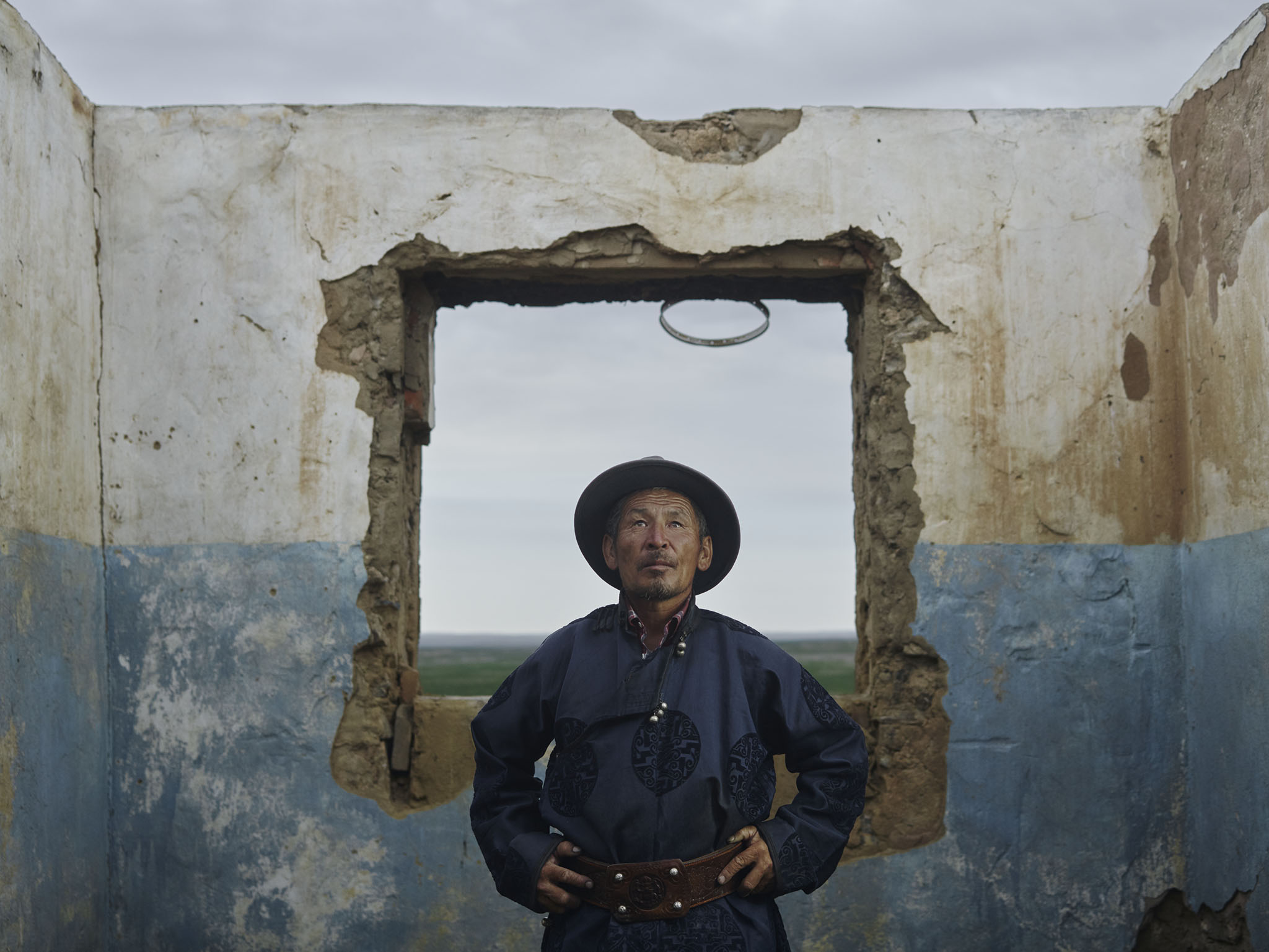
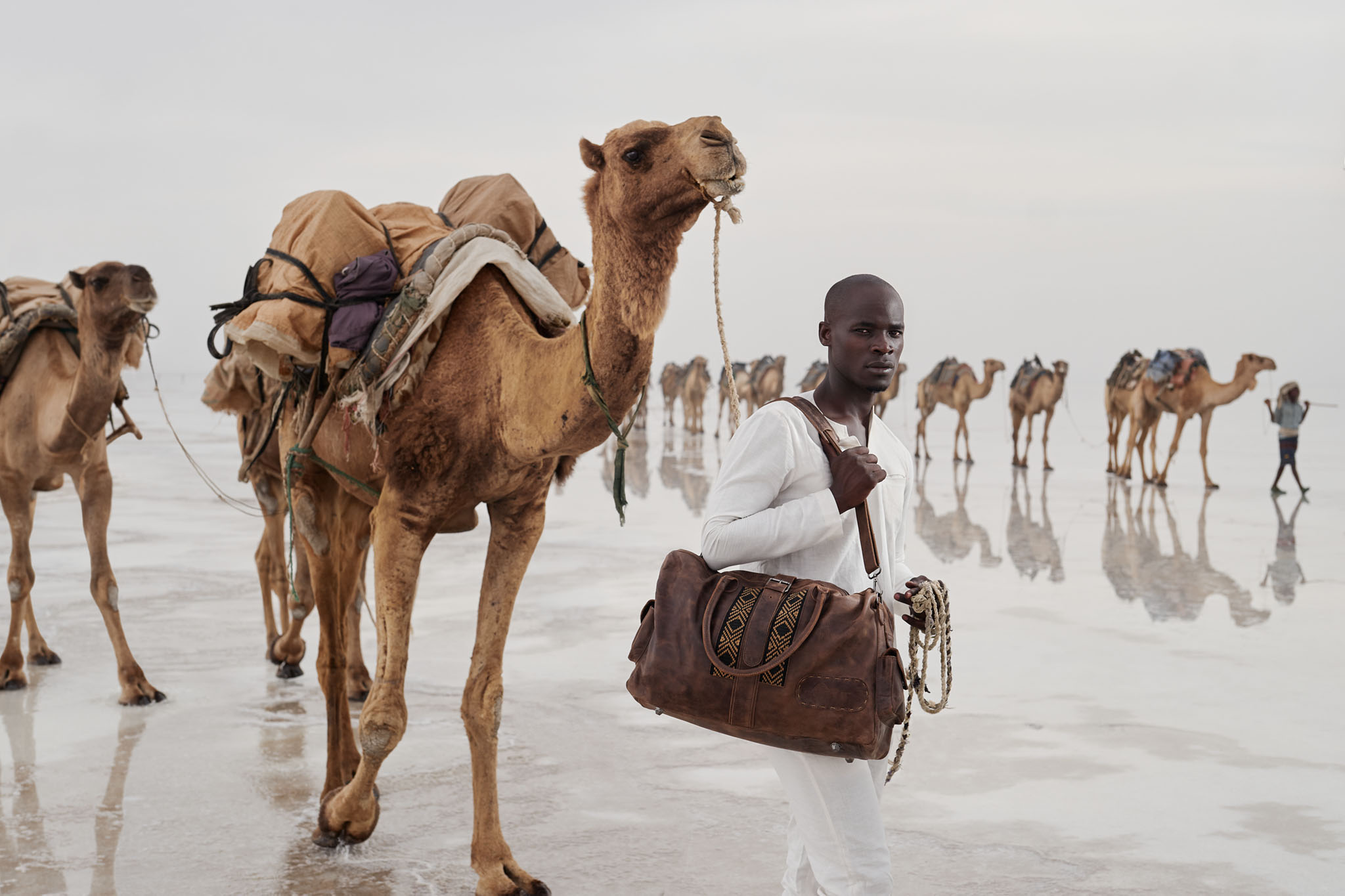
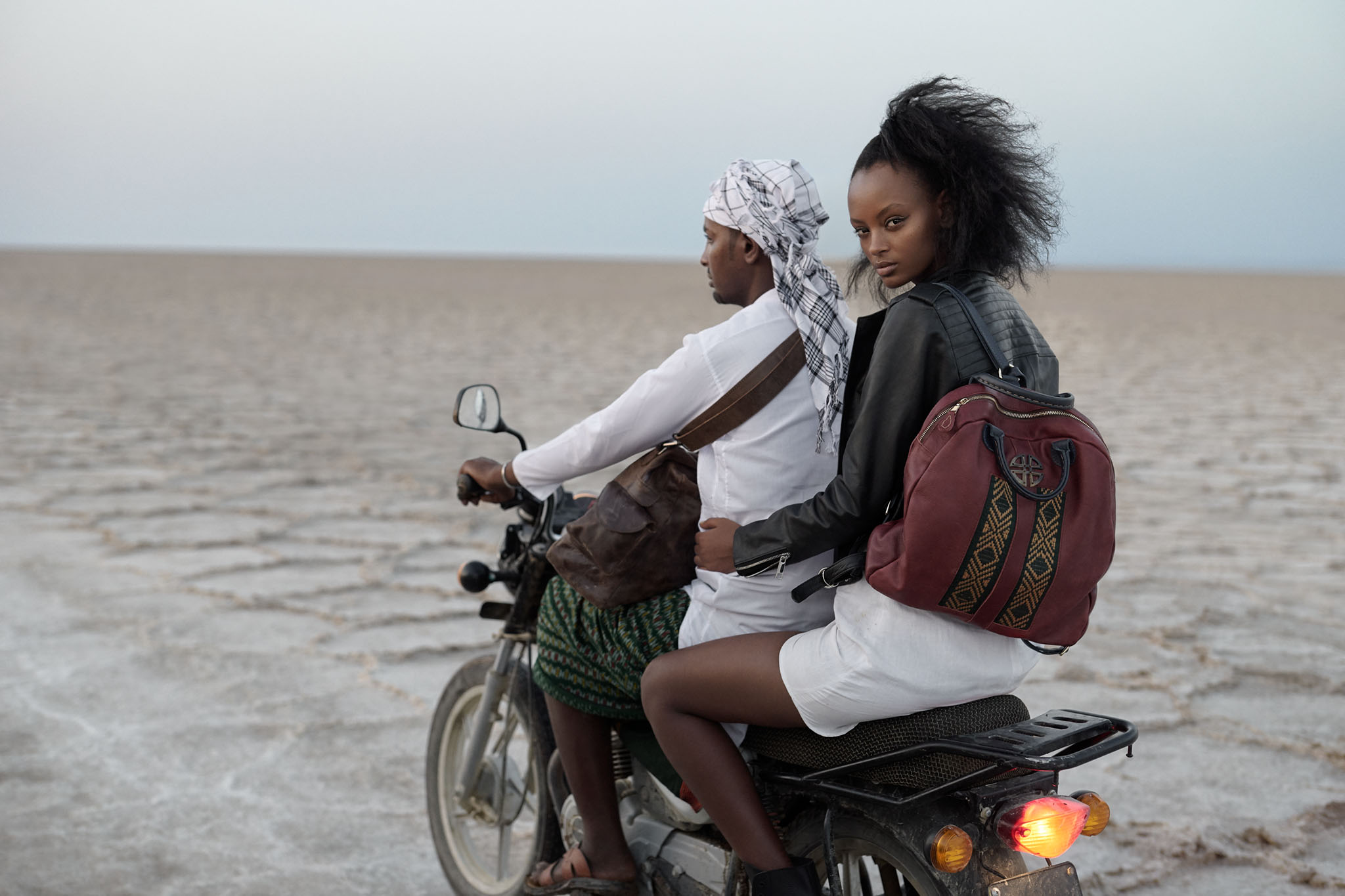
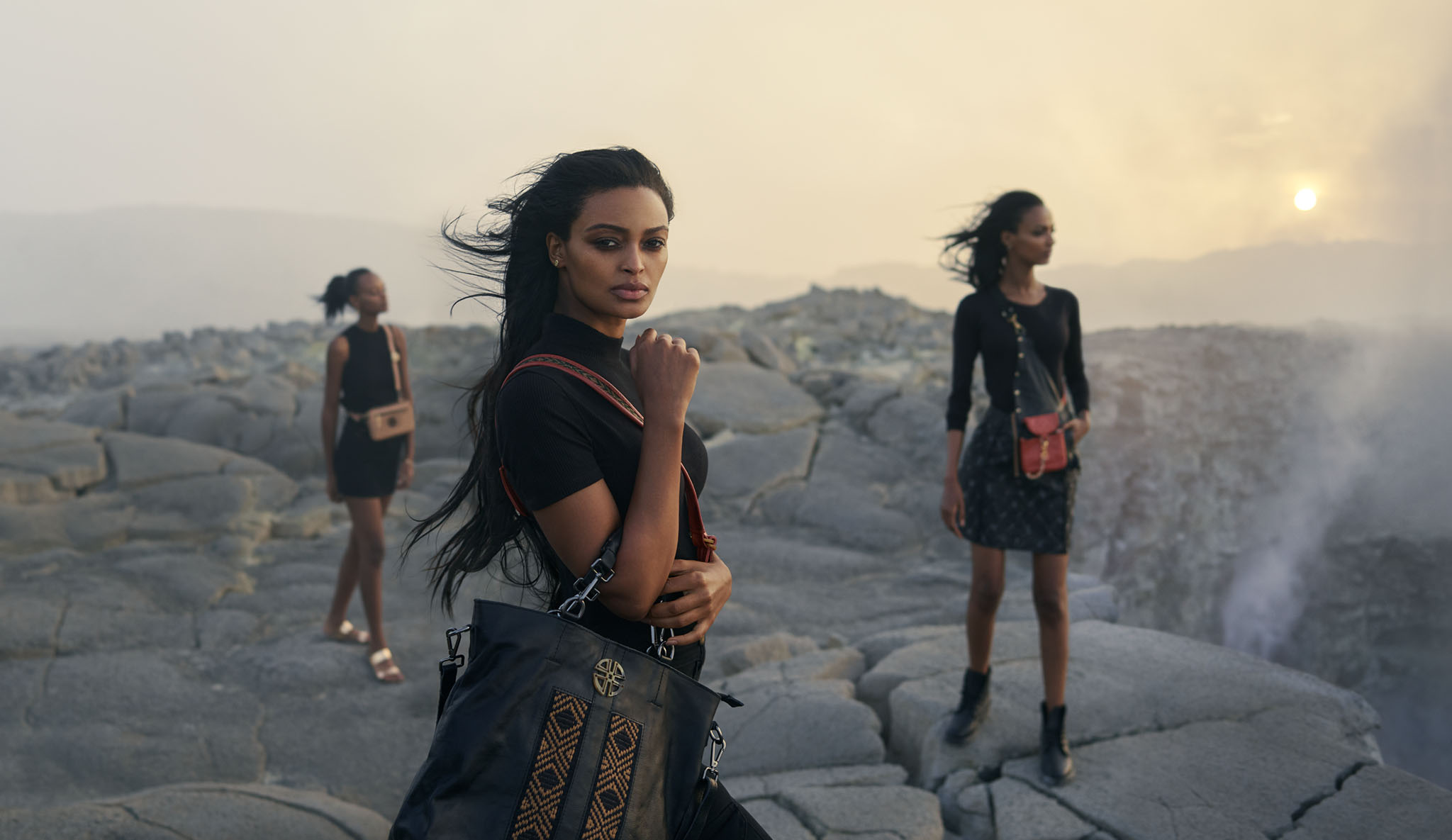
Example 1: Subject matter- Your portfolio will be easier to follow when your images are grouped into stories or sections. Depending on what you shoot, within the same book you could have a music, fashion, entertainment and advertising in sequence, for example. The themes of the images should not be scattered and mashed together, it should take the viewer on a “guided tour” of your work. One of the major problems I had with my older portfolios was the separation between my personal and commercial work. Even though stylistically sometimes the stuff I shot in Ethiopia is similar to my commissioned work, the subject matter is very different. For some reason a portrait of Biwa Bermo just didn’t flow into a picture of the Jonas Brothers.
The solution I came up with was actually separating my work into 2 books. Simply keeping one section at the front of the book and the other at the back was not enough. As you can see in the images, I keep these 2 books inside one clam shell box. No matter what, when the package is sent out the client always gets the box of both images. However, there is separation.
Suppose my book goes out for an entertainment job photographing some ads for a TV show. The art director might take interest in my personal work for the light and technical treatment, but the network itself may only be interested in seeing more commercial portraits and advertisements. Showing too much of one thing could spook either party, so I leave it up to them which book matches their interests and what exactly they will present to their colleagues.
Example 2: Color Tone- if I have a very warm image with lots of red and orange tones, immediately when I flip the page I don’t like immediately seeing an image with opposite colors, such as a cool image with a lot of blue tones. As the images progress, I want them to sort of blend together. Those warm red tones may fade to earth tones, then something neutral, then finally something blue. It seems outrageous, but try arranging your photos in this way… In my opinion, it’s just a lot nicer to look at.
It’s a conversation piece. Make it interesting
Let’s keep in mind the whole concept of a portfolio meeting. When you show your work to a potential future customer, you are selling yourself. You may only have 10-15 minutes to convince them… So why not make the portfolio a conversation piece?
Start out with a bang. Make the first picture something that begs questions- “Where was this taken? What was this for?” Have your answer ready so a dialogue about your work can begin, and continue throughout the entire meeting. It’s likely that the people you’re showing your work to see many photographers a week, you want to be remembered.
My portfolio
In the early days when I started out, I had one portfolio. Let’s be honest- it was a piece of crap. The images were both horizontal and landscape, the prints were made at Fedex Kinkos, and there weird uneven borders around anything. Today, I actually own 5 copies of my new, upgraded portfolio. 2 books are in my agent’s London office for mailing clients around Europe and the Middle East, 2 books are in the New York office for North America, and I keep one at home so I always have one myself.
There are a lot of great pre-made books available, or customizable templates to begin with. These come ready to slide your prints in. My portfolio is 100% custom, meaning the materials that make it are not mass produced. It was designed by myself and the folks at BookSmart Studio. BookSmart took care of making the leather covers, the clamshell box and the logo stamping on the cover all to the exact measurements. They did an incredible job and for the quality provided and the price was reasonable. I highly recommend them. If you’re looking for a custom portfolio, it’s going to be quite a lot more expensive than buying one ready at a shop, but in my opinion it’s worth every penny. It all depends on your goals.


The look/feel: the vision I had when designing this book was actually the new branding I’m giving my work. Currently, my site is outdated and being redesigned, ready to relaunch in a couple months. I wanted to use classic black books but have at least one thing that was unique. I chose a wine colored, earthy-red leatherette for the clamshell box. It matches the earth tones in a lot of my personal work. Inside, there are two skinny black portfolios. One portfolio holds my commissioned work, and the other holds my personal exhibition work. Each one contains about 35-40 images.
Paper choice:
Most photographer’s I know get their stuff printed elsewhere and slide them into acetate sheets, creating pages that are covered and protected. If you want to outsource your printing, I highly recommend WHCC. Great folks and customer service. (They actually pick up their phone.) I used to do this with my old portfolio, but have since decided to bare-back it and display the paper itself. Because of this, I needed a thick, heavy paper with a long life… and I needed to learn how to print it myself.
Finding the right combination was a nightmare. I think I tried about 20 variations of paper from test packs to find what I liked best. I was torn between the 325 GSM Hahnemuhle Fine Art Baryta and the 310 GSM Ilford Galerie Gold Fibre Silk. I prefer the thickness and feel to the Hahnemuhle. I’ve read comparisons online that say they are almost the same but that’s barely true. Both look and feel completely different. In the end I actually had to go with the Ilford for practicality. The Epson 4880 printer is notorious for “pizza-wheeling” thick paper, especially in dark areas of my images. No paper thickness, platon gap settings, or manually feeding the paper would help the problem. After consulting with a lot of experts who know a lot more about printing than I do, I had the choice of physically modifying my printer, or use the Ilford.


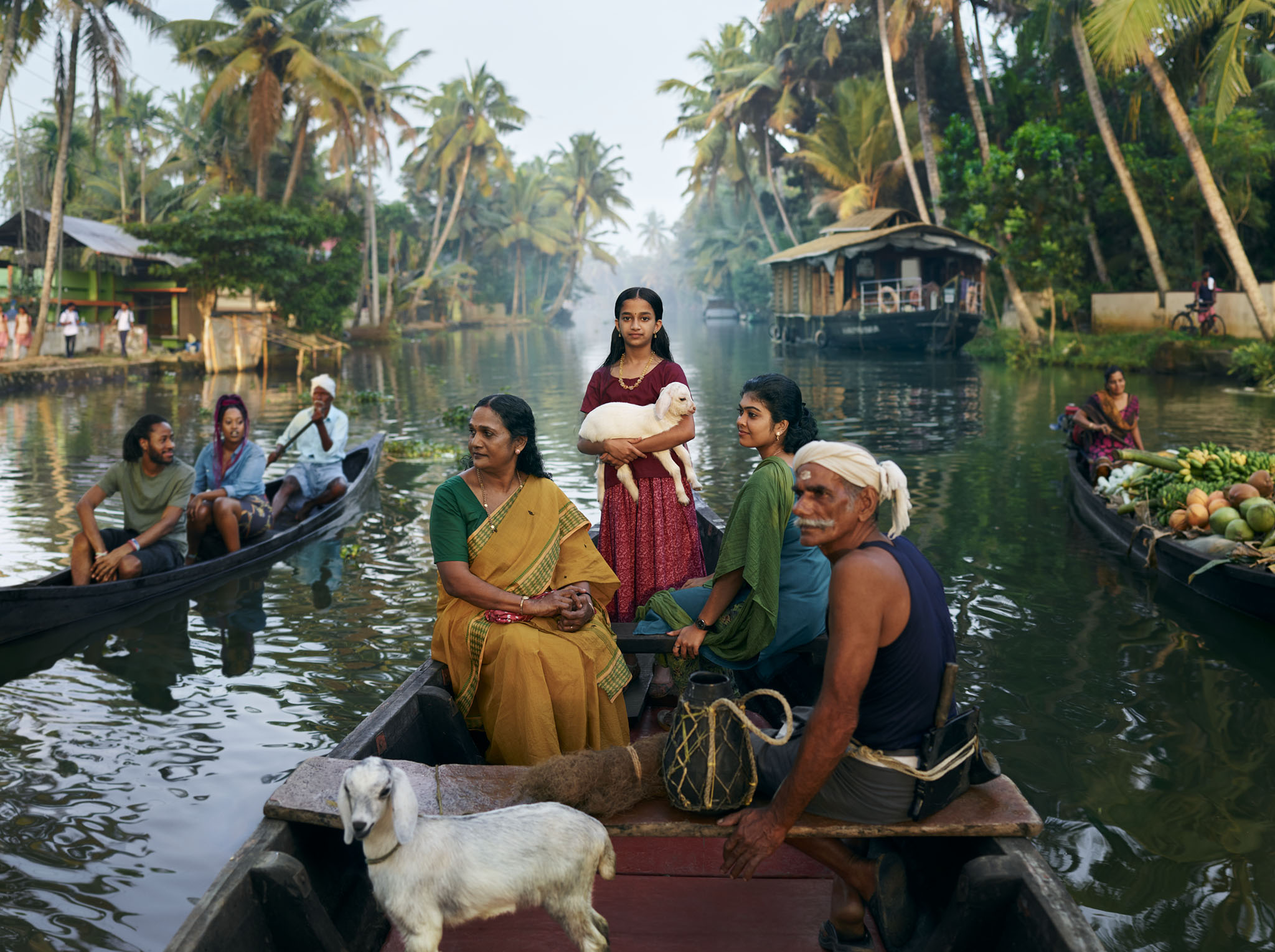
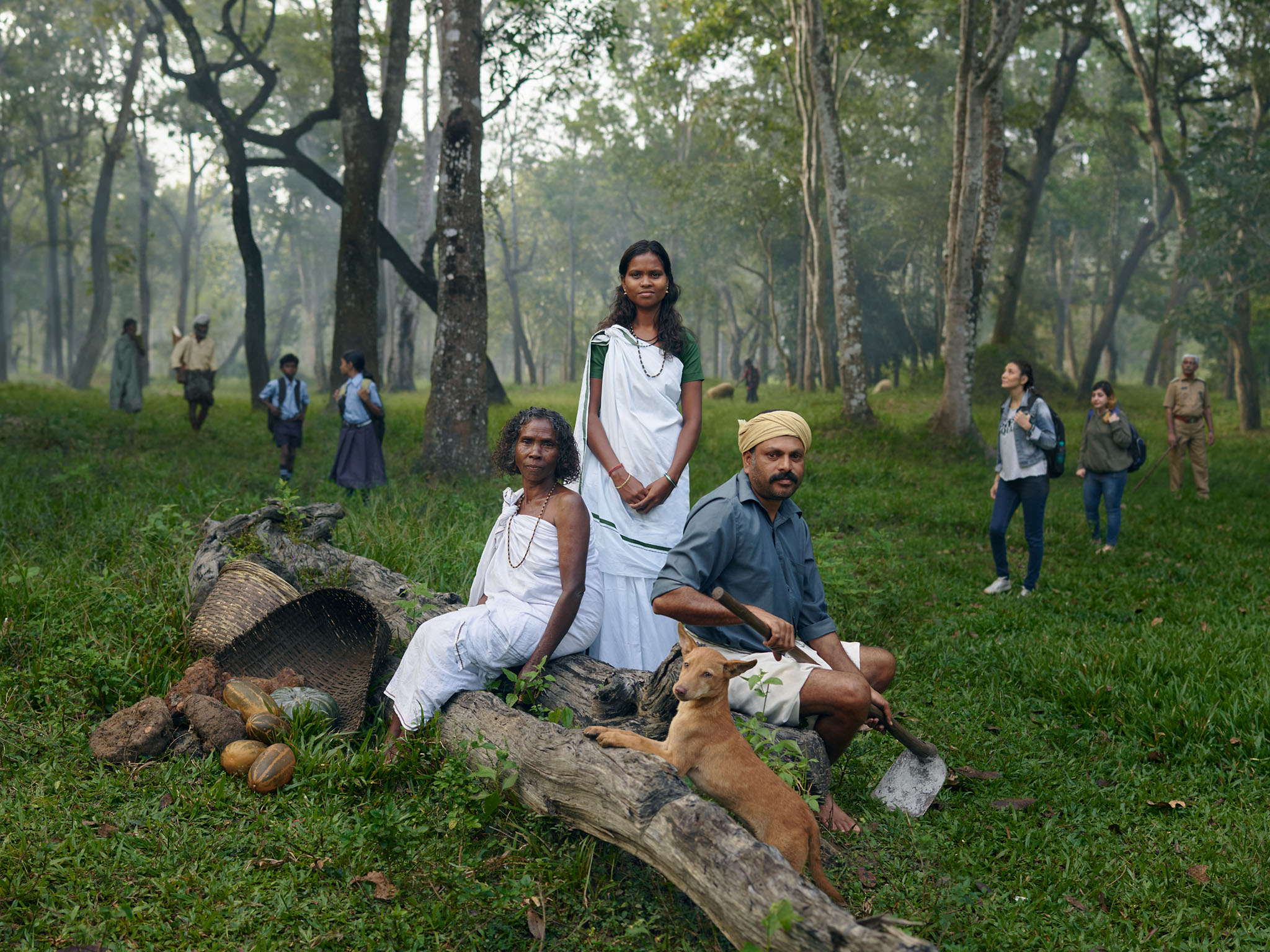
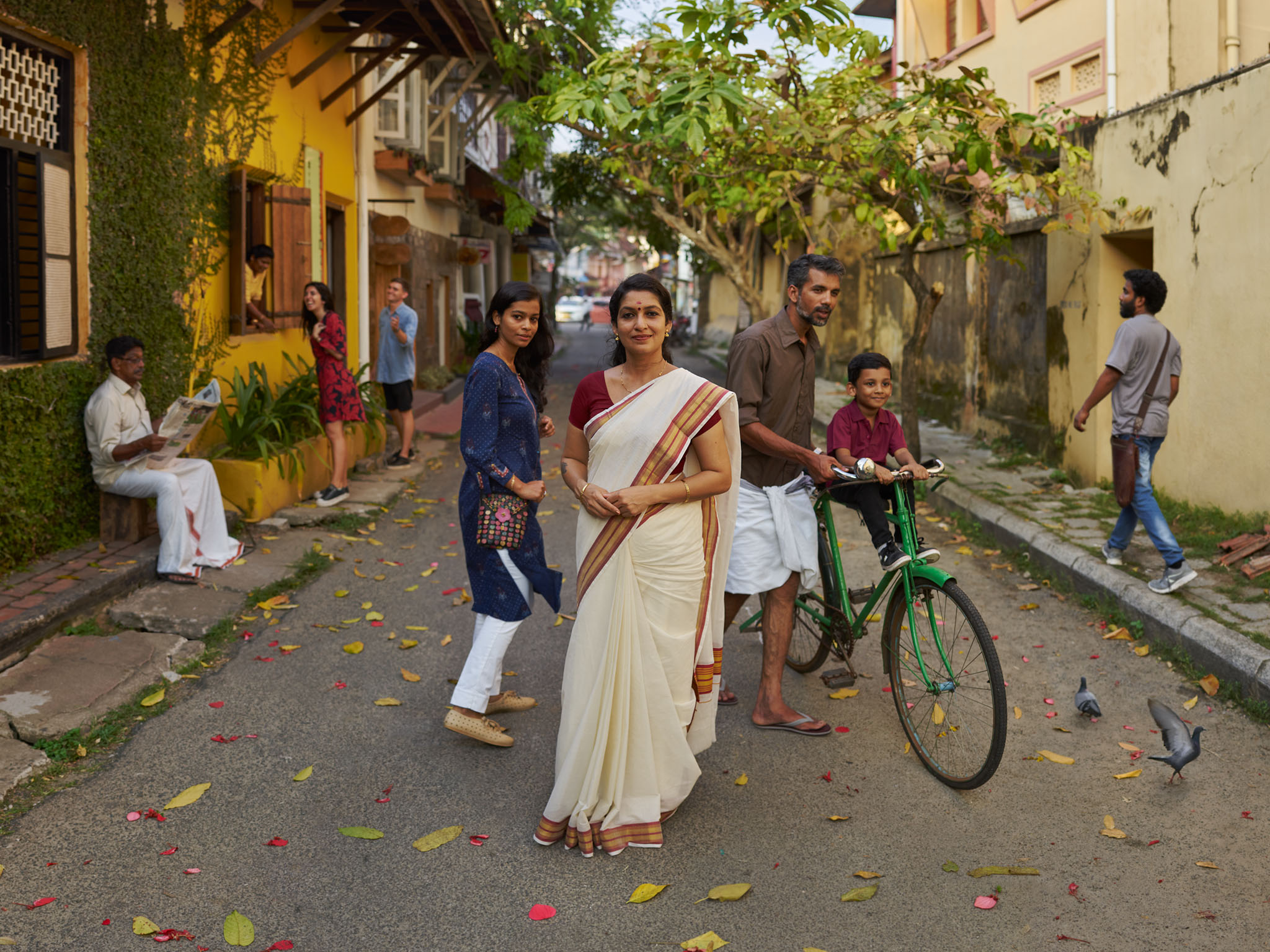
(Here’s a sneak peak of what’s to come from my latest trip to India. None of these pictures are published anywhere else yet…)

Case: Since the portfolio is shipped & shared around quite a bit, I want to preserve it as long as possible. I had some custom air cases made from Tenba to fit my portfolio. Online, I filled out the dimensions, submitted my logo, and let them handle the rest. The final result is great and very sturdy. Having said that, I can not rate the buying experience as positive. The people they outsourced it to had poor communication with me, were weeks late in their delivery, and managed to get the shipping address wrong and send it to the wrong building after I provided it to them 3 times. They were quick to process my credit card though… Funny how that works…
Here is a “digitized” version of my portfolio. There are a few images I had to remove because they have clearance to be in my book but not on the internet. For the most part this should give you an idea of the order of images and presentation.
Other Portfolios
The great thing about making your own portfolio is that there’s no right, proven way to do it. Here are two examples from friends of mine who both have great portfolios.
Nick Onken is a great lifestyle photographer. His book matches his branding- super clean, bright, and simple. In his own words, Nick has agreed to describe the importance of his portfolio for us:


“My website makes the initial connection with clients. It’s the gateway whether they call your book in to see if they want to bid with you. All depends on the job though. Sometimes I’ve gotten the job based on my website, which is why I invested so much into it.
Having the whole package ready is crucial for clients screening for quality. If your book comes in and that print doesn’t match the quality displayed on your site, it could cost you the job. Web quality only goes so far. Many times they want to see your final work in print. Art buyers want to see that you put as much care into your book as you do in your work. The book is a craft in itself. You’re advertising to people who create advertising on a daily basis for big brands. They want to see your brand is tight, and the quality follows through on all your touch points. Your printed portfolio is the final sell. “
Oscar Zabala is actually an art director who does not focus on printed images, but like a photographer, sometimes he still must present his work time to time. He found the best medium to display his work was actually a USB key. Even though most of his work doesn’t “exist” in the physical world, he made a material presentation to share it. To show off his creative side and weird alchemist branding, he decided to make this:

In Conclusion
If you spend all your time perfecting your craft and all your hard earned cash buying photography gear to get your pictures to the next level, there’s no reason to neglect the way it is presented. The final output of your work reflects the entire process. I’m still adding and crafting my portfolio with every shoot that I do. It slowly changes and progresses in time as I develop different tastes as a photographer.
I keep all the pages completely interchangeable with screw posts because I never know what I might add… or throw away next.

JL